
Amtrak’s Acela: NEC High-Speed Rail Revolution
Amtrak’s Acela modernization is transforming the Northeast Corridor with new high-speed trains and billions in infrastructure upgrades. Discover how this ambitious project is revolutionizing rail travel!
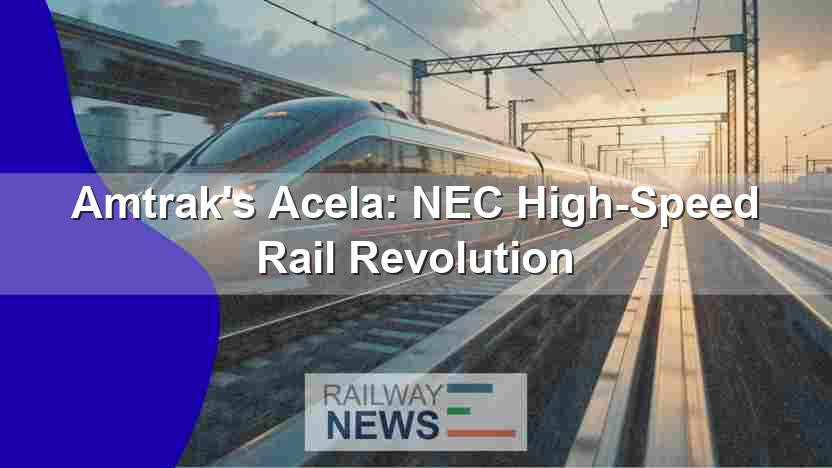
The Northeast Corridor (NEC), a vital artery of passenger rail travel in the United States, is undergoing a significant transformation spearheaded by Amtrak. This article explores Amtrak’s ambitious modernization plan, focusing on the introduction of new Acela high-speed trains and the extensive infrastructure upgrades necessary to support them. The plan, encompassing billions of dollars in investment, aims to dramatically improve service quality, speed, and capacity along the heavily trafficked route connecting major cities like Washington, D.C., Baltimore, Philadelphia, New York City, and Boston. This modernization effort is not simply about acquiring new rolling stock; it represents a holistic approach to addressing the limitations of aging infrastructure and laying the groundwork for a future of significantly faster and more reliable high-speed rail service along the NEC. The implications for passenger experience, economic development, and the overall viability of intercity rail travel in the United States are profound and warrant careful examination.
The Acela Express Upgrade
Amtrak’s acquisition of 28 new Acela trainsets, funded by a $2.45 billion federal loan, marks a crucial step in modernizing its high-speed service. These next-generation trainsets will offer increased passenger capacity, enhanced comfort features, and improved technological capabilities, such as improved onboard Wi-Fi and enhanced passenger information systems. The introduction of these new trains is a critical component of Amtrak’s broader plan to enhance the overall passenger experience and meet the growing demand for intercity rail travel in the Northeast Corridor.
Infrastructure Revitalization
The success of the new Acela fleet hinges upon significant infrastructure improvements. Amtrak’s plan includes a multi-billion dollar investment in upgrading the NEC’s aging infrastructure. This includes substantial projects such as the rehabilitation of the Baltimore rail tunnel ($4.5 billion), replacement of the Susquehanna River Bridge ($1.7 billion), and the construction of a new rail tunnel under the Hudson River ($13 billion). These projects aim to eliminate bottlenecks, reduce delays, and allow for higher operating speeds. Additionally, the plan encompasses track upgrades, the replacement of outdated network switch panels, and station renovations along the corridor. These infrastructure projects are not only vital for the new Acela trains but also critical for improving the overall performance and reliability of all Amtrak services operating on the NEC.
Long-Term Vision and Investment
Amtrak’s NEC modernization is a long-term endeavor, with the company projecting a need for over $30 billion in investment to fully realize its vision for next-generation services by 2040. This includes not only the immediate upgrades mentioned but also ongoing maintenance and future enhancements to ensure the long-term sustainability and efficiency of the system. The scale of this investment underlines the critical importance placed on the NEC as a vital transportation corridor and Amtrak’s commitment to enhancing intercity rail travel in the United States.
Supporting Investments and Synergies
The Acela modernization strategy isn’t solely reliant on the new trainsets and major infrastructure projects. Amtrak’s recent $850 million order of 75 Tier 4 locomotives (meeting stricter environmental emission standards) for its long-distance services also demonstrates a commitment to upgrading its entire fleet and improving operational efficiency across its network. These locomotives, while not directly impacting Acela services, contribute to the overall improvement of Amtrak’s operational capabilities and overall network capacity, thereby supporting the strategic goals of the NEC modernization program.
Conclusions
Amtrak’s plan to introduce new Acela high-speed trains in conjunction with a massive infrastructure upgrade represents a transformative moment for passenger rail in the Northeast Corridor. The $2.45 billion investment in new trainsets, coupled with the billions slated for infrastructure improvements like the new Hudson River tunnel, the Baltimore tunnel rehabilitation, and the Susquehanna River Bridge replacement, signals a long-term commitment to enhancing the efficiency and reliability of the NEC. The overall project is not simply about faster trains; it’s about creating a more resilient, higher-capacity, and more passenger-friendly rail system capable of meeting the growing demand for intercity travel. The successful execution of this plan will not only improve the passenger experience but also stimulate economic growth along the corridor and demonstrate the viability of large-scale investment in high-speed rail. However, challenges remain. The magnitude of the investment necessitates careful planning, effective project management, and robust funding mechanisms to ensure that these ambitious goals are met on time and within budget. The ongoing maintenance and potential future upgrades will also require sustained financial commitment to ensure the long-term success of this vital infrastructure initiative.

Railway infrastructure, rolling stock and transport technologies specialist focused on global rail industry developments, high-speed rail systems, signaling technologies and freight transportation. Covering railway investments, public transport modernization, rail operations and international mobility projects across Europe, Asia and North America.
RELATED POSTS

October 8, 2026 1:15 pm
Alstom secured a €1bn contract to build 13 automated trains,...

October 1, 2026 7:09 am
United States regulators confirmed a September 30 deadline for the...

October 8, 2026 12:18 pm
Siemens Mobility signed an agreement with VinSpeed to supply 350...

October 4, 2026 5:14 pm
Alstom secured a CA$4.7 billion order from VIA Rail Canada...

October 5, 2026 6:12 pm
AECOM and Jacobs secured a contract in September 2026 to...

October 1, 2026 12:13 am
Illinois approved $1.5 billion annually for the Northern Illinois Transit...