
Amtrak Washington Union Station modernizes, enhances passenger
Amtrak Washington Union Station upgrades boost capacity, enhance passenger experience, and preserve historic design.
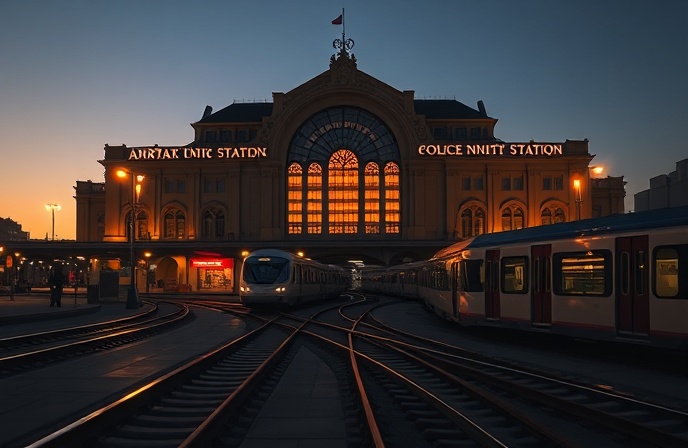
Amtrak Washington Union Station: A Vital Hub Undergoing Transformation
The iconic Amtrak Washington Union Station, a historic landmark and crucial transportation hub, is currently undergoing a series of significant improvements and upgrades. This multi-faceted project, encompassing infrastructure enhancements, passenger experience upgrades, and capacity expansions, is aimed at modernizing the station while preserving its architectural heritage. Located in the heart of Washington, D.C., this vital gateway for rail travelers sees millions of passengers annually, connecting them to destinations across the Northeast Corridor and beyond. The work is driven by the need to address aging infrastructure, accommodate increasing passenger volume, and improve overall operational efficiency, all crucial objectives for the future of rail travel in the United States. This article will delve into the current state of these renovations, exploring their scope, impacts, and significance for the railway industry.
Boosting Capacity: Expansion and Infrastructure Overhaul
One of the primary goals of the ongoing project at Amtrak Washington Union Station is to significantly increase its capacity to handle a growing number of passengers and trains. This involves several key infrastructure improvements. Significant work has been undertaken to expand platform space and improve track layouts, allowing for more efficient train movements and reduced congestion. The current phase also includes the installation of a new, state-of-the-art signaling system, using Advanced Train Control System (ATCS) technology to optimize train spacing and improve safety. Additionally, the project is addressing critical structural needs, including reinforcement of the station’s foundation and upgrades to its electrical and mechanical systems. These capacity enhancements are vital to accommodate projected ridership growth and support the future expansion of high-speed rail services within the region.
Enhancing the Passenger Experience: Modern Amenities and Accessibility
Beyond infrastructure improvements, the renovation efforts at Amtrak Washington Union Station prioritize the passenger experience. The project includes upgrades to passenger waiting areas, incorporating modern amenities such as comfortable seating, improved Wi-Fi access, and charging stations. The station is also seeing significant improvements in its retail and food offerings, providing travelers with a wider range of options. Accessibility is a key focus, with upgrades to elevators, escalators, and other systems to ensure compliance with Americans with Disabilities Act (ADA) standards. These improvements will make the travel experience more comfortable, convenient, and accessible for all passengers using the Amtrak network.
Preserving History: Balancing Modernization with Preservation
The team behind the renovation project at Amtrak Washington Union Station is working diligently to balance the need for modern upgrades with the preservation of the station’s historical character. This historic landmark, built in the early 20th century, is renowned for its Beaux-Arts architecture and grand scale. The project team is employing preservation techniques, working closely with architects and historical preservation experts to ensure that the original design elements are maintained. This includes careful restoration of the station’s marble, intricate ornamentation, and other historical features. The goal is to create a modern, functional transportation hub while preserving the station’s historical significance for future generations, keeping the heritage of Amtrak alive.
Impact and Industry Implications
The ongoing renovations at Amtrak Washington Union Station have far-reaching implications for the railway industry. These improvements serve as a model for other major transportation hubs across the country, highlighting the importance of strategic infrastructure investment and passenger-focused design. The increased capacity and operational efficiency will directly benefit Amtrak and its riders, improving on-time performance and enabling the expansion of services. Additionally, the project’s commitment to historical preservation offers valuable lessons in how to balance modernization with the preservation of valuable architectural heritage. The success of this project will influence future infrastructure projects and potentially accelerate the adoption of similar modernization efforts in other vital transportation hubs, improving railway infrastructure nationwide.
Conclusion
The ongoing transformation of Amtrak Washington Union Station represents a critical investment in the future of rail transportation in the United States. The project’s success, driven by the improvements made by Amtrak, is a testament to the commitment to modernize infrastructure, enhance the passenger experience, and preserve historical integrity. These enhancements will improve the efficiency and capacity of the station, facilitating the future growth of passenger rail services. The lessons learned from this project will undoubtedly inform future infrastructure development efforts across the country, playing a crucial role in the ongoing renaissance of passenger rail travel. As the Amtrak Washington Union Station project progresses, the railway industry and its stakeholders will be watching with keen interest, recognizing its significance as a model for future investment and innovation in the rail sector.

Railway infrastructure, rolling stock and transport technologies specialist focused on global rail industry developments, high-speed rail systems, signaling technologies and freight transportation. Covering railway investments, public transport modernization, rail operations and international mobility projects across Europe, Asia and North America.
RELATED POSTS

October 1, 2026 7:09 am
United States regulators confirmed a September 30 deadline for the...

October 8, 2026 1:15 pm
Alstom secured a €1bn contract to build 13 automated trains,...

October 4, 2026 5:14 pm
Alstom secured a CA$4.7 billion order from VIA Rail Canada...

October 1, 2026 12:13 am
Illinois approved $1.5 billion annually for the Northern Illinois Transit...

October 6, 2026 2:14 am
Union Pacific launched export rail shipments with Ferromex to deliver...

October 1, 2026 6:10 am
Amtrak approved a System Expansion Committee on July 30 to...