
Amtrak CFO: US Rail Infrastructure & Modernization Plans
Amtrak names Corneanu new CFO, focusing on post-pandemic recovery and infrastructure investments, boosted by Bipartisan Infrastructure Law.
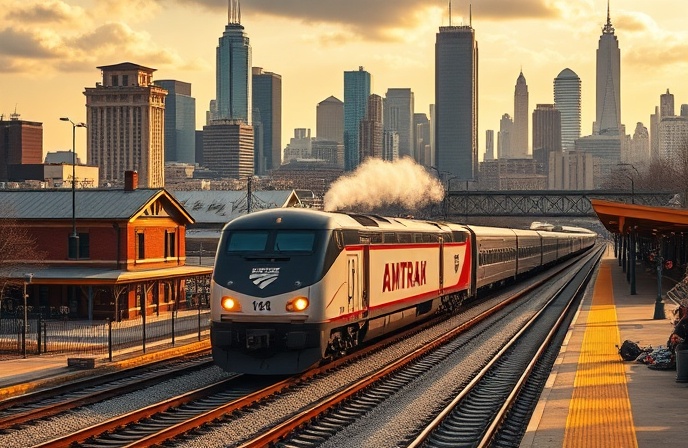
Amtrak Names Costin Corneanu as New CFO, Signaling Strategic Shift
Amtrak has announced the appointment of Costin Corneanu as its new Executive Vice President and Chief Financial Officer (CFO), effective August 4th. This significant leadership change comes at a critical juncture for the national passenger railroad, as it navigates post-pandemic recovery, infrastructure investment, and the ongoing modernization of its fleet. The announcement, made by the Amtrak board, underscores the company’s focus on financial stability and strategic planning as it implements the ambitious projects outlined in the Bipartisan Infrastructure Law (BIL). This article will explore the implications of this appointment and the key challenges and opportunities facing Amtrak in the years ahead, analyzing its current financial position and future strategic direction.
Financial Leadership Transition
Costin Corneanu brings extensive financial expertise to Amtrak, having previously served as a senior executive in various industries. His appointment highlights Amtrak’s need for a CFO capable of managing complex financial models, overseeing significant capital investments, and ensuring efficient allocation of resources. The CFO role at Amtrak demands a deep understanding of public finance, debt management, and the intricacies of government funding. The timing is crucial, as Amtrak receives substantial federal funding through the BIL, which provides a once-in-a-generation opportunity for infrastructure upgrades and expansion. Corneanu’s proven track record in financial leadership, including risk management and strategic planning, makes him a pivotal figure in steering Amtrak through its next phase of growth and development.
Impact of the Bipartisan Infrastructure Law
The Bipartisan Infrastructure Law (BIL) represents a transformational opportunity for Amtrak. This landmark legislation allocates billions of dollars towards improving passenger rail infrastructure across the United States. Funds will be used to upgrade tracks, bridges, tunnels, and stations, improve safety, and expand service. The BIL’s substantial investments in passenger rail infrastructure are designed to address years of underfunding, modernizing existing lines and introducing new routes. This influx of capital presents both opportunities and challenges. Amtrak must effectively manage these funds, ensuring projects are delivered on time and within budget, while adhering to stringent federal regulations. Success hinges on strong financial oversight, strategic planning, and the ability to work collaboratively with state and local partners.
Fleet Modernization and Operational Efficiency
Beyond infrastructure, Amtrak is committed to modernizing its fleet and improving operational efficiency. This includes the procurement of new passenger cars and locomotives, employing advanced signaling systems (such as Positive Train Control, or PTC), and implementing technological solutions to enhance passenger experience. Fleet modernization is crucial for reducing emissions, improving reliability, and increasing capacity. PTC, mandated by the Rail Safety Improvement Act of 2008, enhances safety by automatically stopping trains if certain safety parameters are violated. Further efforts to streamline operations and reduce operating costs will be critical to achieving financial sustainability. Effective cost control, efficient resource allocation, and strategic investments are key components of Amtrak’s long-term financial strategy, and will be overseen by the new CFO.
Conclusion
The appointment of Costin Corneanu as CFO marks a significant step for Amtrak, positioning the company to navigate the complex financial landscape of the rail industry, particularly amidst the transformative impacts of the Bipartisan Infrastructure Law. Corneanu’s financial expertise is expected to be crucial as Amtrak manages significant federal funding, invests in infrastructure upgrades, and modernizes its fleet. The company’s success in the coming years will heavily rely on the effective implementation of financial strategies, operational efficiency, and strategic partnerships. While the industry faces headwinds, including fluctuating ridership and competitive pressures from other modes of transport, Amtrak’s ambitious plans promise to enhance passenger rail in the nation. The coming years will be critical for Amtrak to establish a sustainable financial model and meet the demands of an evolving transportation landscape. The board’s choice to hire a leader with Corneanu’s experience indicates their conviction in the company’s long-term success and commitment to strengthening the US passenger rail sector.
Company Summary: Amtrak
Amtrak, officially the National Railroad Passenger Corporation, is a quasi-governmental entity that operates the majority of intercity passenger rail service in the United States. Created in 1971, Amtrak’s mission is to provide safe, efficient, and reliable passenger rail service. Amtrak’s operations encompass a vast network, spanning over 21,400 miles of track and serving more than 500 stations across 46 states, the District of Columbia, and three Canadian provinces. Its diverse fleet includes a variety of locomotives, passenger cars, and high-speed rail equipment. Amtrak’s primary funding sources include federal appropriations, fare revenues, and grants. The company is currently focusing on infrastructure modernization, fleet renewal, and expanding service offerings to meet the growing demand for sustainable transportation alternatives.

Railway infrastructure, rolling stock and transport technologies specialist focused on global rail industry developments, high-speed rail systems, signaling technologies and freight transportation. Covering railway investments, public transport modernization, rail operations and international mobility projects across Europe, Asia and North America.
RELATED POSTS

October 1, 2026 7:09 am
United States regulators confirmed a September 30 deadline for the...

October 8, 2026 1:15 pm
Alstom secured a €1bn contract to build 13 automated trains,...

October 4, 2026 5:14 pm
Alstom secured a CA$4.7 billion order from VIA Rail Canada...

October 1, 2026 12:13 am
Illinois approved $1.5 billion annually for the Northern Illinois Transit...

October 6, 2026 2:14 am
Union Pacific launched export rail shipments with Ferromex to deliver...

October 1, 2026 6:10 am
Amtrak approved a System Expansion Committee on July 30 to...