
Alstom’s €900M Rail Deal: Victoria’s Future, Secured
Alstom’s €900 million contract for the maintenance of Victoria’s regional VLocity and Classic train fleets underscores private sector partnerships’ role in ensuring efficient public transportation systems, with strategic investments into infrastructure, workforce development, and community engagement.
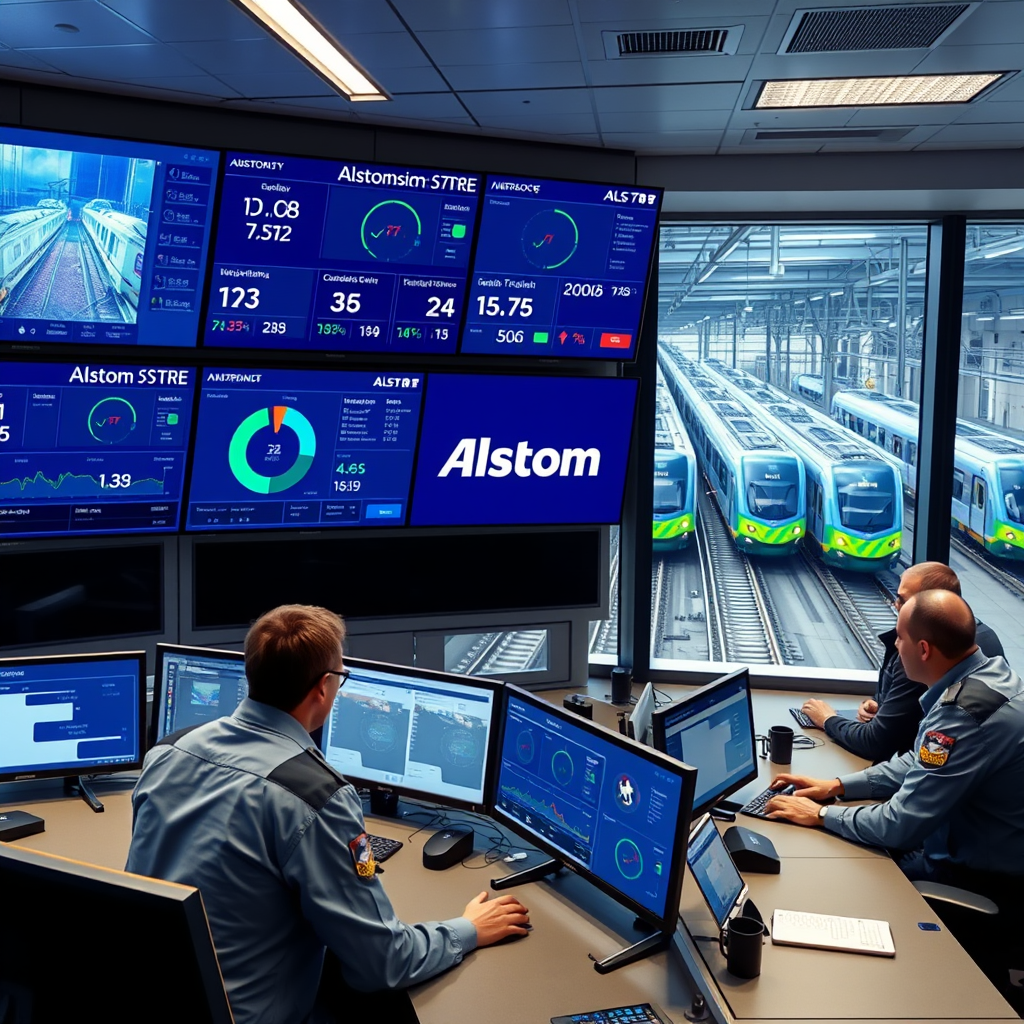
This article explores the significant €900 million ($985 million) contract awarded to Alstom for the maintenance of Victoria, Australia’s regional VLocity and Classic train fleets. This substantial agreement highlights the crucial role of private sector partnerships in ensuring the efficient and reliable operation of public transportation systems. The contract’s scope extends beyond simple maintenance, encompassing strategic investments in infrastructure, workforce development, and community engagement. We will examine the multifaceted nature of this contract, analyzing its economic impact on Victoria, the technological advancements it incorporates, and its broader implications for the Australian rail industry. The strategic decision-making process behind such large-scale public-private partnerships will also be a focal point of this discussion, examining the balance between cost-effectiveness and the assurance of long-term service reliability.
Alstom’s Decadal Maintenance Contract: Securing Victoria’s Rail Network
Alstom’s recent award of a €900 million ($985 million) contract to maintain Victoria’s VLocity (diesel multiple unit – DMU) and Classic train fleets for the next ten years underscores the increasing reliance on private sector expertise in managing critical public infrastructure. This significant investment guarantees the continued operational efficiency of a substantial portion of Victoria’s regional rail network. The contract strategically positions Alstom as a key player in the Victorian rail landscape, solidifying its long-term commitment to the region.
Technological Advancements and Operational Efficiency
The contract goes beyond basic maintenance. Alstom’s plans include establishing a state-of-the-art fleet control center in South Dynon, mirroring the successful model of their UK Voyager Control Centre. This centralized system promises significant improvements in fleet reliability and availability through proactive monitoring and predictive maintenance strategies. The implementation of advanced Intelligent Transportation Systems (ITS) further enhances operational efficiency, optimizing train scheduling and resource allocation. This technological leap forward represents a substantial upgrade to Victoria’s rail infrastructure, driving improvements in passenger experience and overall network performance.
Economic Impact and Community Engagement
The economic benefits of this contract extend beyond Alstom’s direct involvement. The company has committed to supporting at least 300 jobs within Victoria, emphasizing the importance of engaging local suppliers for parts, overhauls, repairs, preventative maintenance, and wheel turning. This commitment strengthens the Victorian rail supply chain, fostering economic growth and job creation throughout the region. Additionally, Alstom’s pledge to allocate 6% of the contract budget to local charities and organizations demonstrates a commitment to community development and social responsibility, creating a positive ripple effect beyond the immediate economic impact.
Strategic Implications for the Australian Rail Industry
Alstom’s success in securing this large-scale contract reflects the company’s strong competitive position and its proven ability to deliver complex rail projects. This significant undertaking builds upon Alstom’s existing presence in Australia, which includes the recent delivery of 100 Flexity low-floor Next Generation Trams (NGTs) under a separate €700 million ($766 million) contract. The consistent awarding of major contracts to Alstom underscores the growing trend toward public-private partnerships in the Australian rail sector, highlighting the benefits of leveraging private sector expertise and innovation to enhance the nation’s rail infrastructure.
Conclusion
The €900 million Alstom contract for the maintenance of Victoria’s VLocity and Classic train fleets represents a landmark agreement with significant implications for the Victorian and broader Australian rail industries. The contract’s multifaceted nature extends beyond simple maintenance, encompassing substantial investments in technological upgrades, local economic development, and community engagement. The establishment of a new fleet control center, mirroring Alstom’s successful UK model, promises enhanced operational efficiency and improved fleet reliability, leading to better passenger experiences. Additionally, the contract’s emphasis on utilizing local suppliers and supporting local charities underscores a commitment to both economic growth and social responsibility. This strategic partnership serves as a model for future public-private collaborations in the rail sector, demonstrating the potential for private sector expertise to contribute significantly to the modernization and enhancement of public transport systems. The successful implementation of this contract will not only ensure the smooth and reliable operation of Victoria’s regional rail network for the next decade but also serve as a testament to the benefits of leveraging innovative technologies and fostering strong community partnerships within the rail industry. The long-term benefits extend beyond immediate operational improvements, encompassing economic growth, job creation, and a strengthened rail supply chain in Victoria. This case study underlines the importance of strategic planning and the collaborative effort required to maintain and enhance critical public infrastructure. The success of this venture will likely influence future rail projects in Australia and beyond, providing a valuable blueprint for public-private partnerships in the transportation sector.

Railway infrastructure, rolling stock and transport technologies specialist focused on global rail industry developments, high-speed rail systems, signaling technologies and freight transportation. Covering railway investments, public transport modernization, rail operations and international mobility projects across Europe, Asia and North America.
RELATED POSTS

October 1, 2026 7:09 am
United States regulators confirmed a September 30 deadline for the...

October 8, 2026 1:15 pm
Alstom secured a €1bn contract to build 13 automated trains,...

October 4, 2026 5:14 pm
Alstom secured a CA$4.7 billion order from VIA Rail Canada...

October 8, 2026 12:18 pm
Siemens Mobility signed an agreement with VinSpeed to supply 350...

October 5, 2026 6:12 pm
AECOM and Jacobs secured a contract in September 2026 to...

October 4, 2026 11:08 pm
Sound Transit confirmed the September 30 opening of Seattle Pinehurst...