
Sydney Metro’s Final Test: A City Transformed
The final testing phase of Sydney Metro’s City and Southwest line involves rigorous procedures to ensure safe and efficient operation, including extensive operational assessments on 15.5km of twin tunnels and integration with existing infrastructure, highlighting commitment to safety standards and seamless passenger experience.
Introduction
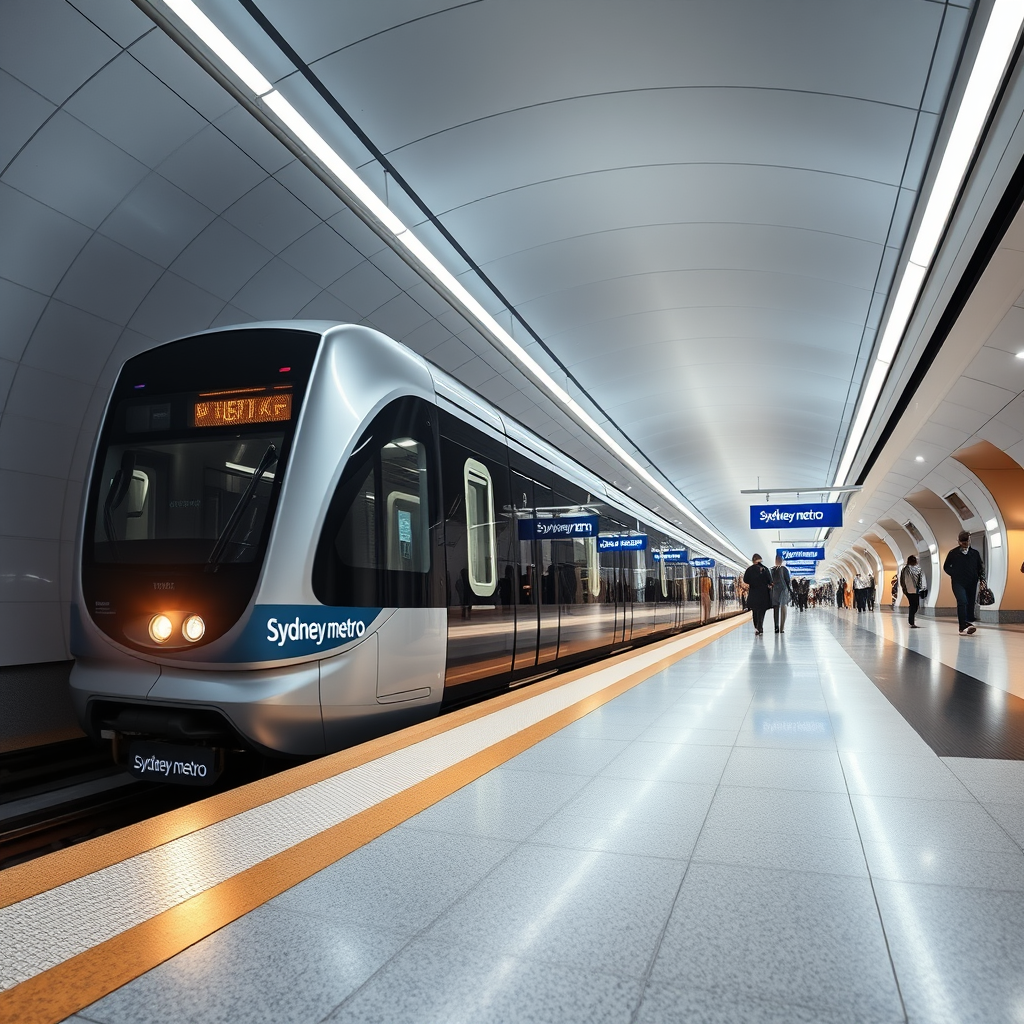
This article explores the crucial final testing phase of Sydney Metro’s City and Southwest line, a significant expansion of the existing network. The project, representing a substantial investment in Sydney’s public transportation infrastructure, involves the construction of twin tunnels beneath Sydney Harbour and seven new underground stations. This expansion will not only shorten commute times between the city’s northern and southern regions but also integrate seamlessly with the existing Northwest line, creating a detailed, high-capacity metro system. The detailed examination below covers the intricacies of the testing process, the technological advancements employed, and the broader implications of this project for Sydney’s future transportation landscape. The article will specifically address the rigorous testing procedures, the integration with existing infrastructure, the technological underpinnings of the system, and finally, the long-term strategic vision embodied in this expansion.
Rigorous Testing and Certification
The final testing phase of the Sydney Metro City and Southwest line is a detailed and meticulous process designed to ensure the safe and efficient operation of the new infrastructure. This includes extensive trial runs simulating real-world service conditions, incorporating peak-hour demand and potential disruptions to evaluate the system’s resilience. The 15.5km line connecting Chatswood and Sydenham, and its integration with the existing network, demands rigorous testing, encompassing approximately 11,000 hours of operational assessments. This rigorous approach highlights the commitment to the highest safety standards and operational reliability before passenger services commence.
System Integration and Interoperability
A key aspect of the testing involves seamless integration between the new City and Southwest line and the existing Northwest line, creating a unified 51.5km route connecting Tallawong and Sydenham. This requires rigorous interoperability testing to ensure smooth train operations across the expanded network. This integration is crucial for delivering a unified and efficient passenger experience, avoiding potential operational bottlenecks or disruptions at the interface between the old and new lines. The successful integration of signaling systems, train control systems, and communication networks is paramount for the overall efficiency and reliability of the entire system.
Technological Advancements and Intelligent Transportation Systems (ITS)
The Sydney Metro project incorporates state-of-the-art Intelligent Transportation Systems (ITS). These systems play a critical role in optimizing train operations, managing passenger flow, and enhancing overall network efficiency. Centralized train control systems, for example, enable real-time monitoring and control of train movements, improving punctuality and safety. This integration of ITS provides crucial data for predictive maintenance, allowing for proactive interventions and reducing potential service disruptions. Additionally, the use of advanced signaling and communication technologies improves the overall capacity and efficiency of the railway network.
Future Expansion and Strategic Vision
The City and Southwest project is just one phase in the broader strategic expansion of Sydney’s metro network. Future stages, such as the planned $7.2 billion line connecting St Marys and Western Sydney International Airport (WSIA), demonstrate a long-term commitment to developing a detailed and efficient public transportation system. This significant investment underscores the importance of rail infrastructure in supporting urban growth and economic development. The integration of the airport link further highlights the strategic role of the metro in connecting key economic hubs and facilitating efficient passenger travel within and beyond the city.
Conclusions
The successful completion of the final testing phase for the Sydney Metro City and Southwest line marks a significant milestone in the expansion of Sydney’s public transport infrastructure. The rigorous testing procedures, meticulous system integration, and incorporation of advanced Intelligent Transportation Systems (ITS) all contribute to ensuring the safe, efficient, and reliable operation of the new line. The seamless integration with the existing Northwest line creates a significantly improved transport network, dramatically reducing travel times across the city and boosting connectivity. Moreover, this project serves as a crucial step towards a larger vision for Sydney’s future transportation, demonstrated by the ambitious plans for expansion to Western Sydney International Airport. This investment in advanced rail technology underscores a commitment to sustainability, economic growth, and improved quality of life for Sydney residents. The ongoing development highlights Australia’s dedication to developing world-class public transportation systems. The success of this project will serve as a model for future large-scale rail infrastructure projects globally, showcasing the benefits of meticulous planning, advanced technology, and a long-term strategic vision. The overall impact on Sydney’s economic landscape and the enhancement of quality of life for its citizens should be significant and long-lasting.

Railway infrastructure, rolling stock and transport technologies specialist focused on global rail industry developments, high-speed rail systems, signaling technologies and freight transportation. Covering railway investments, public transport modernization, rail operations and international mobility projects across Europe, Asia and North America.
RELATED POSTS

October 8, 2026 1:15 pm
Alstom secured a €1bn contract to build 13 automated trains,...

October 1, 2026 7:09 am
United States regulators confirmed a September 30 deadline for the...

October 8, 2026 12:18 pm
Siemens Mobility signed an agreement with VinSpeed to supply 350...

October 4, 2026 5:14 pm
Alstom secured a CA$4.7 billion order from VIA Rail Canada...

October 5, 2026 6:12 pm
AECOM and Jacobs secured a contract in September 2026 to...

October 4, 2026 11:08 pm
Sound Transit confirmed the September 30 opening of Seattle Pinehurst...