
Alstom, Singapore Rail: Metropolis Train Deal Insights
Major railway deals are shaping the future! From Alstom’s Singapore contract to KCS’s financial strategy, learn how railway investments are driving innovation and growth.
The global railway industry is a dynamic sector characterized by continuous technological advancements and significant infrastructure investments. This article examines several key recent deals that highlight current trends and future directions within the industry. These agreements range from the procurement of new rolling stock and the development of crucial infrastructure, such as rail depots, to significant financial maneuvers aimed at securing future growth and expansion. Analyzing these transactions provides valuable insights into the evolving landscape of railway technology, investment strategies, and the ongoing competition among major players in the field. The deals discussed below showcase a mix of international collaborations and individual national projects, demonstrating the global interconnectedness of the railway sector and the diverse approaches taken to meet growing demands for efficient and reliable rail transportation.
Alstom’s Metropolis Train Contract in Singapore
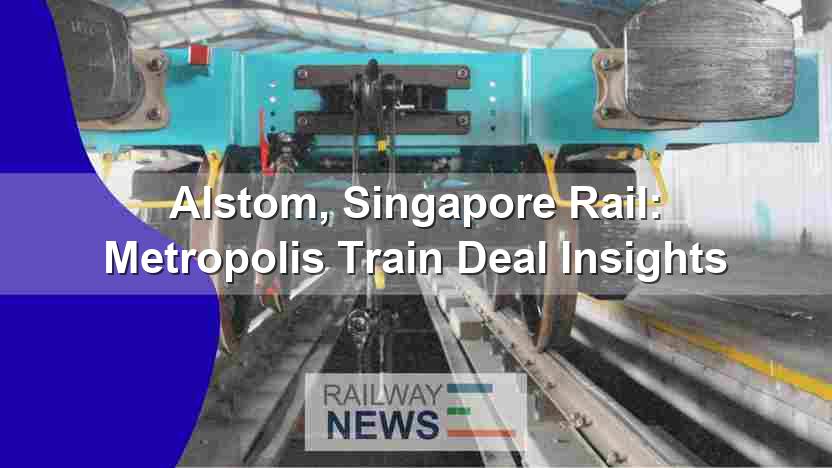
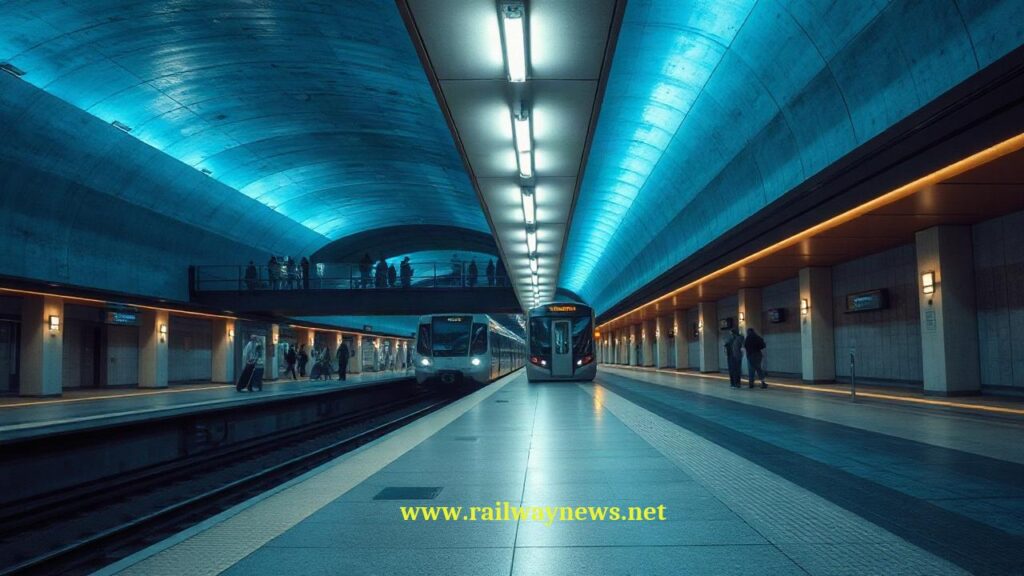
Alstom, a leading global player in railway solutions, secured a €150 million ($180 million) contract from the Singapore Land Transport Authority (LTA) for the supply of 17 Metropolis trains. This significant order demonstrates Singapore’s ongoing commitment to expanding and modernizing its public transportation network. The contract encompasses the delivery of six six-car trains for the North East Line (NEL) and eleven three-car trains for the Circle Line (CCL). Beyond the train supply, the contract also includes crucial provisions for maintenance, operator training, and the supply of essential spare parts, thereby assuring the long-term operational efficiency of the new rolling stock and minimizing potential disruptions to service. This holistic approach underscores the growing trend towards integrated solutions in the railway industry, aiming for enhanced cost-effectiveness and optimized lifecycle management.
Strukton’s Rail Depot Construction in Rotterdam
Strukton, a prominent European construction and engineering company, has been selected to design and build a new rail depot and associated infrastructure for Locomotive Workshop Rotterdam (LWR). This joint venture (JV) between Mitsui Rail Capital Europe (MRCE) and Siemens signifies a collaborative effort to enhance maintenance services for third-party fleets operating in the Rotterdam area. The new depot in the Port of Rotterdam will offer crucial maintenance support, ultimately improving the availability and reliability of locomotive operations. This project reflects the increasing demand for efficient and well-maintained rail infrastructure to ensure smooth freight transport and enhance logistical efficiency. The strategic location within the Port of Rotterdam positions the workshop to serve a broad range of clients benefiting the regional economy.
Kansas City Southern’s Financial Strategy
Kansas City Southern (KCS), a major North American railway company, announced plans to raise $500 million through a public offering of senior notes (long-term debt instruments). This strategic move aims to secure funding for loan repayments and other corporate initiatives. The issuance of senior notes at an annual interest rate of 4.70%, maturing in 2048, highlights KCS’s financial stability and its confidence in the long-term prospects of the railway industry. This demonstrates a prudent financial approach focused on capitalizing on opportunities for expansion and enhancing the operational efficiency and sustainability of the railway’s operations. Securing this significant capital underscores the company’s commitment to sustained growth and investment in its railway network.
Bombardier’s Tram Supply to STIB in Brussels
Bombardier Transportation secured a substantial contract valued at $586 million from the Brussels Intercommunal Transportation Company (STIB) for the supply of 175 Flexity trams. This deal demonstrates significant investment in modernizing Brussels’s urban transportation system. The initial firm order includes 60 trams (49 five-car and 11 seven-car sets) with deliveries beginning in March 2020. The large-scale nature of the project speaks to STIB’s commitment to improve the capacity and efficiency of their tram network and underscores the growing demand for modern, high-capacity trams in urban environments globally. This illustrates a larger trend towards greater investment in sustainable urban public transportation solutions.
Conclusions
The deals highlighted in this article showcase significant investment and activity in the railway sector, encompassing rolling stock procurement, infrastructure development, and strategic financial maneuvers. Alstom’s contract in Singapore underscores the continuing demand for modern metro trains, particularly in rapidly growing urban centers. Strukton’s project in Rotterdam exemplifies the importance of efficient maintenance facilities for supporting robust railway operations. KCS’s financial strategy highlights the need for long-term capital planning and investment to support continued growth and infrastructure development within the railway industry. Finally, Bombardier’s contract with STIB in Brussels emphasizes the significant investments being made in modernizing urban tram networks worldwide. These individual cases are indicative of a broader, robust global railway market with ongoing investments in infrastructure and technology. The sector’s continued growth and dynamism suggest a bright future for the railway industry, emphasizing its vital role in sustainable and efficient transportation solutions for both urban and national networks. The successful implementation of these projects is critical not only for the individual companies involved but also for the wider economic and societal benefits they bring through improved public transportation and efficient freight movement.

Railway infrastructure, rolling stock and transport technologies specialist focused on global rail industry developments, high-speed rail systems, signaling technologies and freight transportation. Covering railway investments, public transport modernization, rail operations and international mobility projects across Europe, Asia and North America.
RELATED POSTS

October 1, 2026 12:13 am
Illinois approved $1.5 billion annually for the Northern Illinois Transit...

October 4, 2026 11:08 pm
Sound Transit confirmed the September 30 opening of Seattle Pinehurst...
October 5, 2026 3:15 am
Atlanta Beltline Inc. confirmed a $3.5 billion light rail transit...
October 2, 2026 3:13 am
MBTA confirmed the completion of an 11-day track surge on...
October 5, 2026 2:13 am
Britain confirmed a £1.75 billion rail link in Birmingham to...
October 4, 2026 7:10 pm
WMATA confirmed completion of a nine-week Red Line shutdown at...