
Alstom Secures EUR 915M Belgrade Metro Line 1 Contract
Alstom will deliver Serbia’s first fully automated metro system for Belgrade Line 1 under a EUR 915 million contract.
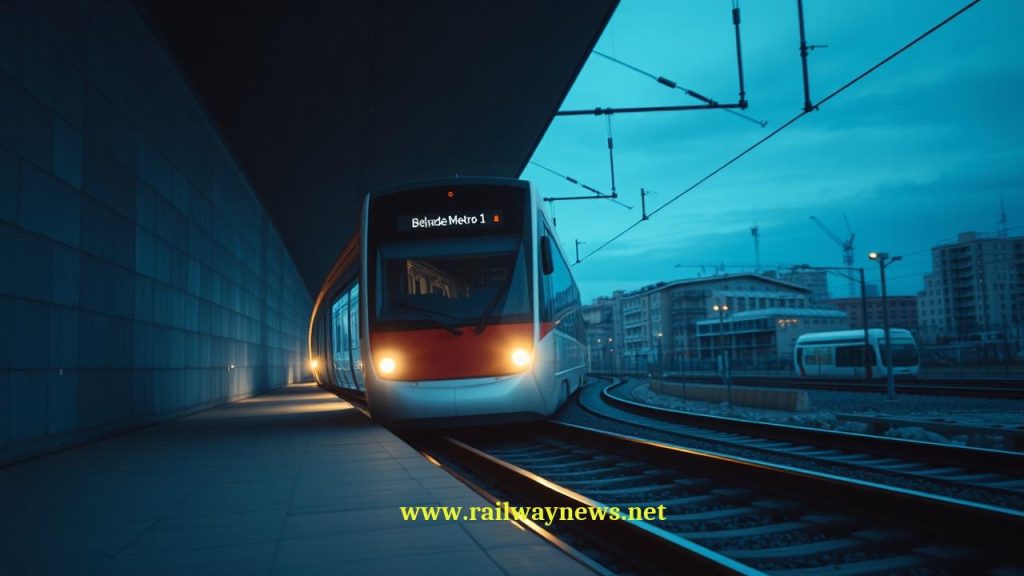
⚡ In Brief: Alstom has secured a EUR 915 million contract to deliver an integrated turnkey solution for Belgrade Metro Line 1, Serbia’s first fully automated metro system, which includes 32 driverless Metropolis trains.
BELGRADE, SERBIA – Alstom will deliver a complete, automated metro system for Line 1 in Belgrade after signing a EUR 915 million contract with the public company Belgrade Metro & Train. The turnkey project for Serbia’s first-ever metro will feature 32 three-car driverless trains and is supported by financing from the French government. The project has now officially entered the design phase.
What Does This Contract Cover?
The agreement tasks Alstom with acting as the system integrator for a complete metro solution for the first 15-kilometre phase of Line 1. This includes the delivery of 32 Metropolis automated trains, Urbalis Communications-Based Train Control (CBTC) signalling for driverless operation, an integrated control center, platform screen doors, and a modern cybersecurity platform. The system is designed to support high-frequency service with headways as low as 90 seconds.
Key Contract Data
| Parameter | Value |
|---|---|
| Contract Name | Belgrade Metro Line 1 Turnkey System |
| Total Value | EUR 915 million |
| Parties Involved | Alstom, Belgrade Metro & Train |
| Timeline / Completion | Design phase commenced; final completion date not disclosed |
| Country / Corridor | Serbia / Belgrade (Makiško Polje to Karaburma) |
How Does This Compare to Similar Contracts?
The Belgrade contract represents a significant turnkey system award for Alstom in Southeast Europe. By comparison, the scale is smaller than Alstom’s rolling stock contracts for megaprojects like the Grand Paris Express, where a 2018 framework agreement for up to 1,000 metro cars to equip Lines 15, 16, and 17 carried a potential value of €1.3 billion for the trains alone, separate from signalling and systems integration (Source: Alstom, 2018). Unlike this Belgrade project, the Paris agreements often separate rolling stock procurement from the systems and infrastructure contracts.
Editor’s Analysis
This major capital investment in Belgrade’s urban mobility runs counter to broader forecasts for the regional rail market, which predict a decline in Serbian railway signalling spending. This divergence suggests that foundational, greenfield infrastructure projects like a city’s first metro line are often driven by long-term strategic goals that can insulate them from shorter-term technology investment cycles, such as the telecommunications sector’s transition from 5G to 6G (Source: ABI Research). The project solidifies Alstom’s market leadership in automated metro systems within Central and Eastern Europe.
FAQ
Q: What is a “fully automated” metro system?
A: A fully automated or “driverless” system, often designated as Grade of Automation 4 (GoA4), uses advanced CBTC signalling to operate trains without any staff on board. This technology, which Alstom will supply, allows for higher service frequency, increased passenger capacity, and enhanced operational flexibility.
Q: How long is Line 1 and what route will it follow?
A: The initial phase of Line 1 will be 15 kilometers long with 15 stations, connecting Makiško Polje to Karaburma. The route runs directly through the city center, with 11 kilometers of the line located in a tunnel.
Q: How will this new metro affect traffic in Belgrade?
A: The project is designed to provide a structural transformation of urban mobility in a city of nearly two million people. By moving a significant portion of commuter traffic underground, the metro is expected to directly alleviate chronic surface-level traffic congestion and reduce pressure on the existing bus and tram network.

Railway infrastructure, rolling stock and transport technologies specialist focused on global rail industry developments, high-speed rail systems, signaling technologies and freight transportation. Covering railway investments, public transport modernization, rail operations and international mobility projects across Europe, Asia and North America.
RELATED POSTS

October 8, 2026 1:15 pm
Alstom secured a €1bn contract to build 13 automated trains,...

October 1, 2026 7:09 am
United States regulators confirmed a September 30 deadline for the...

October 8, 2026 12:18 pm
Siemens Mobility signed an agreement with VinSpeed to supply 350...

October 4, 2026 5:14 pm
Alstom secured a CA$4.7 billion order from VIA Rail Canada...

October 5, 2026 6:12 pm
AECOM and Jacobs secured a contract in September 2026 to...

October 1, 2026 12:13 am
Illinois approved $1.5 billion annually for the Northern Illinois Transit...