
Alstom in Kazakhstan: Signalling Centre Boosts Rail Tech & Efficiency
Alstom opens Kazakhstan signaling center, boosting railway digitalization. Advanced tech and local expertise improve safety and efficiency.
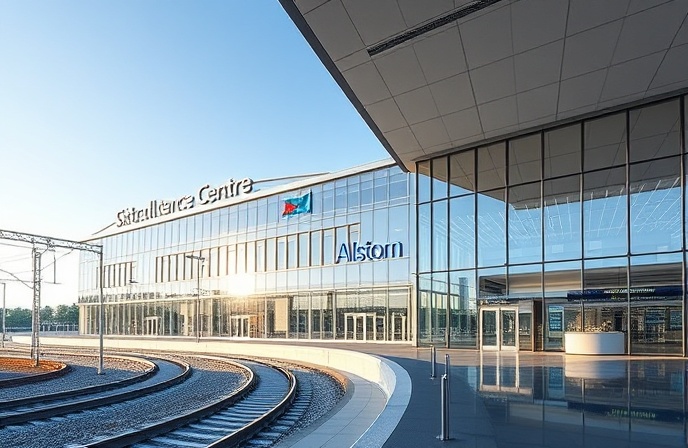
Alstom Inaugurates Signalling Competence Centre in Astana, Bolstering Kazakhstan’s Railway Digital Transformation
In a significant move to advance railway technology in the CIS region, Alstom has officially opened its first signalling competence centre in Astana, Kazakhstan. This new facility, unveiled on [When: Not provided in source material, but the date of the inauguration would be inserted here] , marks a crucial step in supporting the digital transformation of Kazakhstan’s railway network. [Where: Astana, Kazakhstan] The primary objective is to enhance the efficiency and safety of the country’s rail system through advanced signalling solutions and by cultivating local engineering expertise. [Why: To support digital transformation and localisation of skills]. The facility will focus on the development, adaptation, and integration of signalling solutions, while also supporting system maintenance, modernization of legacy equipment, and training. [How: Through technical support, customized solutions, and training programs]. The opening ceremony was attended by key stakeholders, including Ramazan Sadyrkulov, Chief Engineer of JSC NC Kazakhstan Temir Zholy (KTZ), and Jérôme Boyet, Managing Director of Alstom for Western and Central Asia. This article will delve into the centre’s operations, its technical capabilities, and its impact on Kazakhstan’s railway sector.
Strengthening Railway Infrastructure through Localized Expertise
The Astana-based centre is designed to provide detailed support to KTZ, the national railway operator. This includes delivering technical assistance and tailoring signalling solutions to meet the specific operational needs of the Kazakhstani rail network. A key aspect of the centre’s mission is to cultivate local engineering capabilities through extensive training programs for Kazakhstan’s railway specialists. This initiative is intended to transfer technical expertise, enhance the country’s rail ecosystem, and reduce reliance on external resources. As part of this localisation effort, Alstom plans to recruit and train local engineers in software and system development, focusing on long-term capability building and national deployment. This localized approach will be critical for long-term success.
Advanced Signalling Technology: The Cornerstone of Modernization
The centre is equipped with cutting-edge signalling technology, including Alstom’s Onvia Lock, an advanced interlocking system. This technology is already operational at 85 KTZ stations, showcasing Alstom’s commitment to modernizing Kazakhstan’s rail infrastructure. The facility’s functions are multifaceted, encompassing the development, adaptation, and integration of signalling solutions. These solutions are specifically designed to meet the evolving demands of KTZ. Moreover, the centre supports system maintenance, the modernization of legacy equipment, and the preparation of technical documentation, ensuring that all activities adhere to the Technical Regulations of the Customs Union (TR TS 003/2011). Training for operational teams is also a core component of the centre’s functions, underscoring Alstom’s holistic approach to improving railway safety and efficiency.
The Role of Collaboration and Innovation
While primarily focused on serving domestic projects, the Astana centre will also serve as a gateway to Alstom’s global innovation ecosystem. This integration will facilitate collaboration with international experts, academic partners, and public stakeholders, creating an environment that fosters the development of cutting-edge rail technologies in Kazakhstan. This approach enables the exchange of knowledge and best practices, providing a dynamic platform for advancements within the Kazakhstani rail sector. By connecting with Alstom’s broader international network, the centre can contribute to global innovations while simultaneously benefitting from them, improving efficiency and safety.
A Strategic Investment: Implications for the Future
The opening of this signalling competence centre represents more than just a new facility; it is a strategic investment in the future of Kazakhstan’s railway network. It signifies Alstom’s commitment to supporting KTZ and contributing to the country’s economic development by improving its infrastructure. The establishment of the centre is a direct result of agreements reached between KTZ and Alstom, solidifying a long-term partnership. This new facility not only enhances the efficiency and safety of the current railway system but also lays the foundation for future advancements in railway technology. The emphasis on localized engineering capabilities ensures a sustainable and resilient rail sector, capable of meeting the increasing demands of the nation’s transportation needs. As Kazakhstan continues to invest in its infrastructure, Alstom’s presence positions it at the forefront of this transformative journey, fostering innovation and driving progress in the region.
Company Summary: Alstom
Alstom is a global leader in rail transport and mobility solutions. With a presence in Kazakhstan since 2010, Alstom plays a crucial role in supporting the nation’s transport infrastructure. The company employs over 1,300 people across the country and operates seven industrial sites in four cities. These facilities include a locomotive assembly plant in Astana and various service depots across the network. Alstom is the only manufacturer of electric locomotives in Central Asia and the Caucasus, reflecting its significant investment and commitment to the regional rail sector. Their detailed portfolio includes rolling stock, signalling systems, infrastructure, and services, providing integrated solutions for a wide range of rail transportation requirements.

Railway infrastructure, rolling stock and transport technologies specialist focused on global rail industry developments, high-speed rail systems, signaling technologies and freight transportation. Covering railway investments, public transport modernization, rail operations and international mobility projects across Europe, Asia and North America.
RELATED POSTS

October 1, 2026 7:09 am
United States regulators confirmed a September 30 deadline for the...

October 8, 2026 1:15 pm
Alstom secured a €1bn contract to build 13 automated trains,...

October 4, 2026 5:14 pm
Alstom secured a CA$4.7 billion order from VIA Rail Canada...

October 1, 2026 12:13 am
Illinois approved $1.5 billion annually for the Northern Illinois Transit...

October 6, 2026 2:14 am
Union Pacific launched export rail shipments with Ferromex to deliver...

October 1, 2026 6:10 am
Amtrak approved a System Expansion Committee on July 30 to...