
Adelaide-Melbourne Rail: Optimizing Freight Network Infrastructure
Optimize your freight rail network, like the Adelaide-Melbourne line, by understanding infrastructure needs, operational efficiency, and economic viability. Discover how strategic planning ensures success!
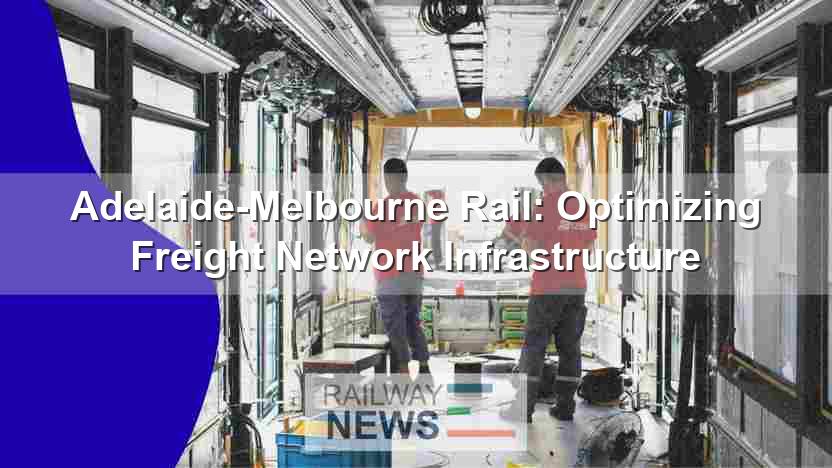
The efficient movement of goods is crucial for economic prosperity. Rail freight networks, particularly those spanning significant distances like the proposed Adelaide-Melbourne rail freight corridor, play a vital role in this logistical puzzle. This article explores the key factors influencing the effectiveness of such systems. It examines the technical aspects, economic considerations, and strategic planning necessary for a successful rail freight operation, while also analyzing the unique challenges and potential benefits of the Adelaide-Melbourne route.
Infrastructure Considerations
The physical infrastructure forms the backbone of any rail freight network. Critical elements include track gauge, alignment, and capacity. For instance, the choice between broad gauge and standard gauge significantly impacts interoperability with existing national and international networks. Proper alignment minimizes friction and wear on rolling stock, directly impacting fuel efficiency. Adequate track capacity is crucial to handle anticipated traffic volumes, particularly with projected increases in freight traffic. Issues like bridge clearances and tunnel dimensions must be thoroughly assessed to prevent potential bottlenecks.
Operational Efficiency and Optimization
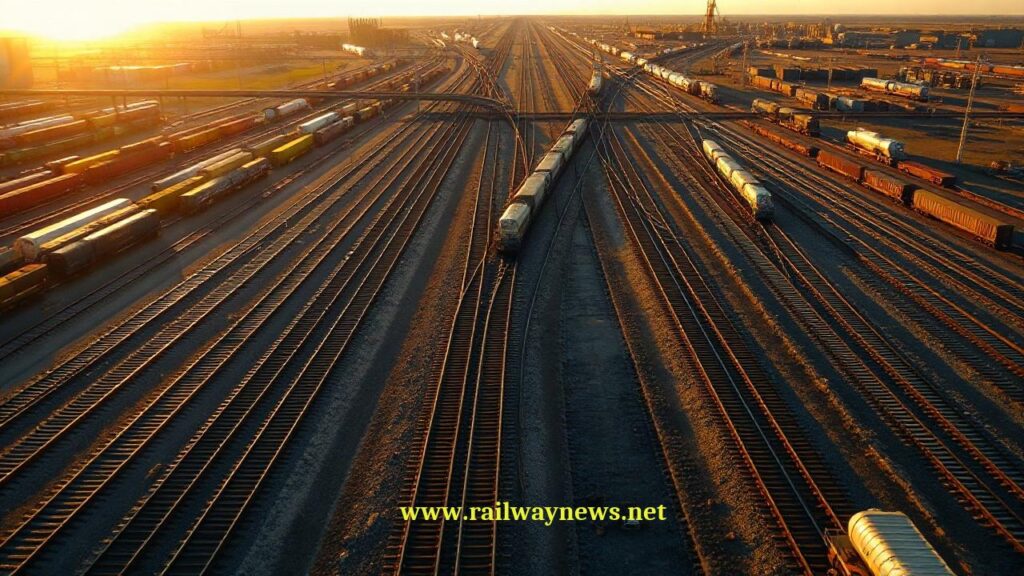
Beyond infrastructure, optimizing operational efficiency is paramount. This involves utilizing advanced scheduling and dispatching techniques, incorporating real-time data to monitor freight movement, and implementing robust maintenance protocols. The application of digital technologies, including advanced traffic management systems, telematics, and predictive analytics, is crucial for precise train scheduling, minimizing delays, and enhancing overall throughput. The development of optimized yard layouts and efficient loading/unloading procedures also contribute to the overall efficiency.
Economic Viability and Sustainability
The economic viability of any freight rail project hinges on factors like cargo volume forecasts, pricing strategies, and the comparison to alternative transportation modes. Detailed cost-benefit analyses are essential to assess the financial feasibility and identify potential returns on investment. The impact of rail freight on local economies, job creation, and environmental sustainability should also be considered. Careful consideration must be given to the costs of construction, maintenance, and operation, comparing those figures against the benefits offered, including reduced emissions, and the potential increase in trade volume.
Strategic Planning and Stakeholder Collaboration
Successful rail freight network development requires meticulous strategic planning, encompassing factors like land acquisition, environmental impact assessments, and community engagement. This encompasses a detailed understanding of the environmental impacts, encompassing factors like noise pollution, visual effects, and any potential impact on biodiversity. Clear communication and cooperation with relevant stakeholders, including local communities, government agencies, and freight businesses, are crucial for navigating potential hurdles and ensuring smooth implementation. Stakeholder collaboration is paramount to resolving any local opposition to the project. It’s also essential to consider the logistics of connecting the rail network to existing freight hubs and terminals, ensuring seamless integration into broader transportation networks.
Conclusions
Developing robust and efficient rail freight networks is a complex undertaking requiring a multifaceted approach. The success of projects like the proposed Adelaide-Melbourne rail freight line hinges on careful consideration of infrastructure, operational processes, economic factors, and strategic planning. This involves evaluating track capacity, optimizing scheduling, conducting thorough economic feasibility studies, and ensuring robust stakeholder engagement. The projected benefits, including reduced emissions, increased trade volume, and the creation of employment opportunities, must outweigh the substantial upfront costs. Effective stakeholder collaboration is crucial to managing environmental impacts and building community support. The adoption of advanced technologies plays a vital role in enhancing the efficiency, sustainability, and safety of rail freight operations. A well-planned, well-managed rail freight network can significantly contribute to economic growth, improved infrastructure, and environmentally sustainable transportation.
The Adelaide-Melbourne rail freight project, in particular, presents a significant opportunity to improve the movement of goods between these two key Australian cities. Careful analysis of the region’s specific needs, coupled with a focus on the strategic considerations outlined above, will be crucial in determining the overall success of this endeavor.
You might be interested in:
Last January 2019, we covered how NCC’s double-tracking project dramatically improved commuter rail efficiency in Stockholm. Click here to read – Roslagsbanan Expansion: Double-Tracking for Stockholm

Railway infrastructure, rolling stock and transport technologies specialist focused on global rail industry developments, high-speed rail systems, signaling technologies and freight transportation. Covering railway investments, public transport modernization, rail operations and international mobility projects across Europe, Asia and North America.
RELATED POSTS

October 1, 2026 7:09 am
United States regulators confirmed a September 30 deadline for the...

October 1, 2026 12:13 am
Illinois approved $1.5 billion annually for the Northern Illinois Transit...

October 4, 2026 5:14 pm
Alstom secured a CA$4.7 billion order from VIA Rail Canada...

October 1, 2026 6:10 am
Amtrak approved a System Expansion Committee on July 30 to...
October 1, 2026 3:12 am
Greenbrier confirmed Brian Comstock as new president and CEO effective...

October 6, 2026 2:14 am
Union Pacific launched export rail shipments with Ferromex to deliver...