
Adaptable Train Interiors: Passenger Comfort & Efficiency
Adaptable train interiors designed by Go-Ahead Group, Angel Trains, and Seymourpowell prioritize comfort, flexibility, and safety through modular seating arrangements, enhanced luggage storage, and integration of hygiene and technological advancements, aiming to enhance passenger satisfaction and operational efficiency in the evolving railway industry.
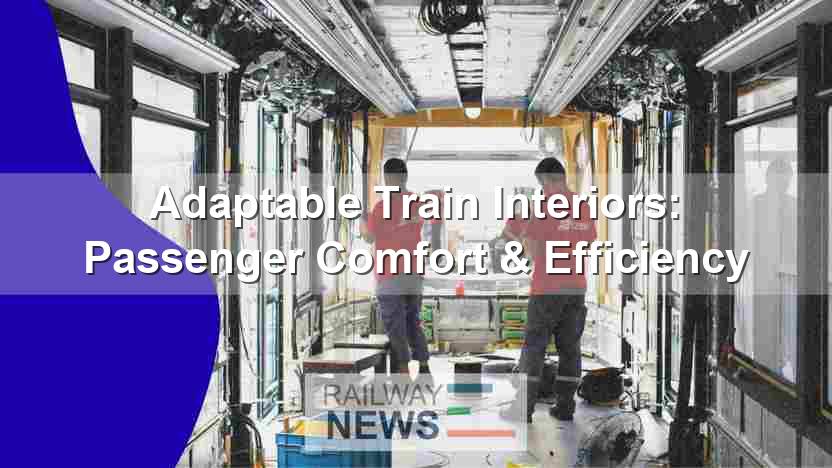
The railway industry is constantly evolving to meet the changing needs of passengers and operational demands. This article explores the innovative design concepts for adaptable train interiors, focusing on the collaboration between Go-Ahead Group, Angel Trains, and Seymourpowell. The proposed designs prioritize passenger comfort, flexibility, and safety, addressing challenges presented by fluctuating passenger numbers and evolving travel patterns. We will examine the key features of these adaptable designs, including modular seating arrangements, enhanced luggage storage, and the integration of hygiene and technological advancements. Additionally, we will analyze the implications of these designs for the future of railway travel, considering their potential impact on passenger satisfaction, operational efficiency, and the overall sustainability of the rail network. This innovative approach aims to create a more responsive and passenger-centric railway experience, setting a new standard for future rolling stock designs.
Modular Seating and Luggage Solutions
A key feature of the proposed adaptable interiors is the modular seating arrangement. This allows for a dynamic configuration, transforming from individual airline-style seats to communal benches, catering to various passenger needs. Sliding armrests facilitate this transition, enabling easy reconfiguration depending on passenger demand. The design also incorporates additional under-seat storage to accommodate luggage, addressing a common complaint among commuters. The strategic placement of “perch seats” and benches offer further flexibility, providing spaces for passengers to work on electronic devices or simply relax.
Enhanced Passenger Amenities and Safety Features
Beyond seating, the designs incorporate a range of features to enhance the passenger experience and prioritize safety. Secure cabinets with vertical racks are being considered for bicycle storage, addressing the growing popularity of cycling as a means of last-mile transportation. The inclusion of permanent hand sanitizer dispensers, antimicrobial finishes, and touchless doors reflects a focus on hygiene and infection control. Digital displays indicating seat availability will streamline boarding and optimize passenger flow. These additions contribute to a more comfortable, convenient, and hygienic travel environment.
Technological Integration and Operational Efficiency
The integration of technology is a crucial element of these innovative designs. Digital displays showing seat availability not only improve the passenger experience but also aid in optimizing train operations. This real-time information allows for better resource management, potentially improving passenger flow and reducing congestion. The modular design itself contributes to operational efficiency by enabling quick and easy reconfiguration of the carriage to meet fluctuating demand. This adaptability reduces the need for multiple train types, simplifying fleet management and maintenance.
Sustainability and the Future of Rail Travel
While not explicitly stated in the initial blueprints, the adaptable design framework readily lends itself to environmentally sustainable practices. Efficient utilization of space through modular design and optimized passenger flow contributes to reduced energy consumption per passenger. The potential for integration of lightweight materials and energy-efficient technologies further strengthens the sustainability profile of these designs. The adaptability also provides a resilient platform for future technological upgrades, ensuring the longevity and relevance of the rolling stock in a rapidly evolving transportation landscape.
Conclusions
The innovative train interior designs unveiled by Go-Ahead Group, in collaboration with Angel Trains and Seymourpowell, represent a significant step forward in passenger rail transportation. The adaptable seating arrangements, enhanced luggage solutions, and integration of safety and hygiene features directly address the evolving needs of passengers. The modular design allows for dynamic configuration, optimizing space utilization and improving passenger flow. The incorporation of technological advancements such as digital displays contributes to both passenger convenience and operational efficiency. Beyond immediate benefits, these designs establish a framework for sustainable and future-proof rolling stock. The adaptable nature of the system allows for seamless integration of new technologies and materials, ensuring its relevance and effectiveness for years to come. The success of this initiative hinges not only on the implementation of the designs but also on the ongoing monitoring and adaptation to passenger feedback, ensuring a truly passenger-centric approach to rail travel. The flexibility inherent in this design philosophy lays the groundwork for a more responsive, efficient, and sustainable railway system, setting a new standard for the industry.

Railway infrastructure, rolling stock and transport technologies specialist focused on global rail industry developments, high-speed rail systems, signaling technologies and freight transportation. Covering railway investments, public transport modernization, rail operations and international mobility projects across Europe, Asia and North America.
RELATED POSTS

October 8, 2026 1:15 pm
Alstom secured a €1bn contract to build 13 automated trains,...

October 1, 2026 7:09 am
United States regulators confirmed a September 30 deadline for the...

October 8, 2026 12:18 pm
Siemens Mobility signed an agreement with VinSpeed to supply 350...

October 4, 2026 5:14 pm
Alstom secured a CA$4.7 billion order from VIA Rail Canada...

October 5, 2026 6:12 pm
AECOM and Jacobs secured a contract in September 2026 to...

October 4, 2026 11:08 pm
Sound Transit confirmed the September 30 opening of Seattle Pinehurst...