
Stadler Upgrades Seven Flirt Trains for Germany’s RE34
Stadler secured a contract from BeNEX to modernize seven Flirt electric trains for the RE34 line, with work starting summer 2026 and completing by summer 2029.
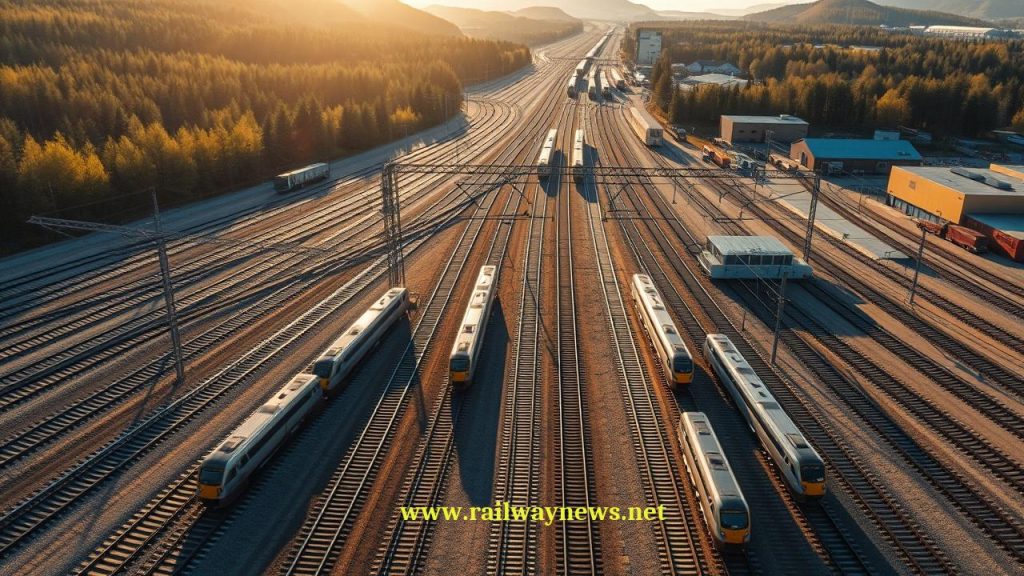
⚡ In Brief: Stadler secured a contract from BeNEX Group to modernize seven Flirt electric trains for operation on the RE34 Dortmund–Siegerland-Express from December 2026, with work starting summer 2026 and completion by summer 2029.
GERMANY – Stadler has been awarded a contract by the BeNEX Group to modernize seven Flirt electric multiple units. The work will begin in summer 2026 at facilities in Hamburg and Berlin-Reinickendorf, with the entire programme scheduled for completion by summer 2029. The modernised trains will enter service on the RE34 Dortmund–Siegerland-Express line, operated by WestfalenBahn, following the December 2026 timetable change.
What Does This Contract Cover?
The contract encompasses extensive interior and technical upgrades to seven Stadler Flirt EMUs originally delivered in 2014. Interior modifications include new tables and armrests, reconfigured seating to increase space for luggage and bicycles, and a refreshed exterior design. Technical enhancements involve installing a Wi-Fi network, USB charging ports, and additional electrical outlets across the fleet. The first train will receive its Wi-Fi system in summer 2026, and the entire refurbishment cycle will be executed under required approval procedures, finishing by summer 2029.
Key Contract Data
| Parameter | Value |
|---|---|
| Contract Name | Stadler-BeNEX Flirt Modernisation |
| Total Value | Not disclosed |
| Parties Involved | BeNEX Group (via WestfalenBahn GmbH and NBE Nordbahn Eisenbahngesellschaft), Stadler |
| Timeline / Completion | Start: summer 2026; Completion: summer 2029 |
| Country / Corridor | Germany, RE34 Dortmund–Siegerland-Express |
How Does This Contract Compare to Similar Contracts?
This mid-life refurbishment of seven regional EMUs contrasts with larger-scale technology deployments. Wabtec’s agreement with Vale to install Positive Train Control on the Carajás and Vitória a Minas railways in Brazil is valued at R$1 billion and will be phased through 2031, covering hundreds of route-kilometres of mixed-traffic heavy-haul infrastructure (Source: Wabtec Corp., 2026). In the infrastructure domain, the Hudson Tunnel project recently approved an $88 million change order for construction modifications, with an overall completion target of 2028 (Source: Construction Dive, 2026). Small fleet modernisation contracts such as Stadler’s typically range between €10 million and €30 million, though the exact figure remains undisclosed here. The BeNEX project also sits within a broader German pattern: Schleswig-Holstein already invested in 29 new Stadler Flirt Akku battery trains for Nordbahn’s operations, indicating sustained public spending on regional fleet upgrades.
Editor’s Analysis
BeNEX’s decision to modernise rather than replace these seven units aligns with a cost-conscious approach to meeting the RE34 operating contract requirements. The upgrade extends asset life and avoids procurement delays, while the technical additions – particularly Wi-Fi and USB ports – respond to passenger expectations. Germany’s parallel push on high-speed corridors, exemplified by Eurostar’s projected £2.8 billion contribution to the UK economy by 2035 (Source: Rail Business UK, 2026), demonstrates that both long-distance and regional networks are receiving simultaneous attention from operators and authorities. The contract also underscores a shift toward more passenger-centric regional rail services in secondary corridors.
FAQ
Q: When will the first modernised train enter service on the RE34 line?
A: The first unit will begin Wi-Fi installation in summer 2026 and is expected to enter passenger service with the December 2026 timetable change, though the full interior refurbishment of all seven trains will continue until summer 2029.
Q: What is the financial value of this modernisation contract?
A: Neither Stadler nor BeNEX has publicly disclosed the contract value. Industry benchmarks for similar seven-unit regional EMU mid-life upgrades place it in a range of €10 million to €30 million, but this has not been confirmed.
Q: How will passengers benefit from the modernisation?
A: Passengers will gain access to Wi-Fi, USB charging ports, and additional electrical sockets onboard. The reconfigured interior provides more dedicated space for bicycles and luggage, improving the travel experience on the regional express service.

Railway infrastructure, rolling stock and transport technologies specialist focused on global rail industry developments, high-speed rail systems, signaling technologies and freight transportation. Covering railway investments, public transport modernization, rail operations and international mobility projects across Europe, Asia and North America.
RELATED POSTS
September 6, 2026 5:19 am
Hitachi delivered Taiwan's first N700ST high-speed train from Japan in...

September 5, 2026 4:19 pm
CPK launched formal tender talks with four consortia to design...

September 5, 2026 7:14 pm
HS2 Ltd signed renegotiated civils contracts with EKFB and Align...
September 6, 2026 6:17 am
Hungary ordered a national ban on most freight trains from...
September 5, 2026 5:17 pm
Chiltern Railways completed the Banbury Station ticket office and main...
September 5, 2026 6:17 pm
Universal Signalling won a deal to install its U-Cross system...