
East West Rail Completes 1,000 Archaeological Trenches
East West Rail completed 1,000 trial trench digs in the Oxford–Cambridge corridor and found a 1,740-year-old coin of usurper Emperor Carausius from about AD 283.
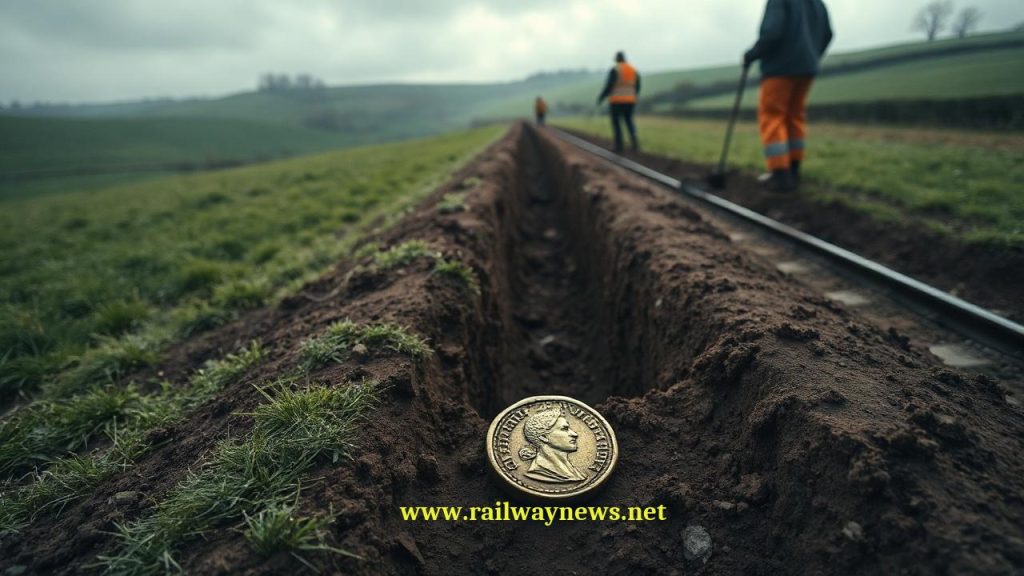
⚡ In Brief: East West Rail uncovered Roman coins including a 1,740-year-old coin of Emperor Carausius as its archaeological trenching programme reached 1,000 completed trenches across the Oxford–Cambridge corridor.
OXFORD/CAMBRIDGE, UK – East West Rail (EWR) has completed 1,000 archaeological trial trenches along its planned route, unearthing Roman coins including one bearing the name of usurper Emperor Carausius dating to approximately AD 283. The trenching programme, involving 6,000 planned trenches excavated over roughly two years, is a required component of the Environmental Impact Assessment supporting the project’s Development Consent Order (DCO) application.
What Is the Full Scope of This Project?
The archaeological trenching programme for East West Rail comprises approximately 6,000 trial trenches distributed along the entire route corridor, with each trench measuring roughly 50 metres in length, two metres in width, and excavated to a depth of approximately half a metre. Where archaeological features are identified within these trenches, specialists excavate targeted sample sections—termed slots—to determine age, condition, and significance. All excavated trenches employ metal detectors to aid find identification. Before any excavation begins, EWR Co undertakes geophysical surveys, ecological assessments, and utility checks to shape delivery plans that minimise impacts on farming activity, biodiversity, and day-to-day land use. Discoveries to date include a Late Iron Age vase, pottery fragments, and Roman coins, with the most notable being a coin from around 1,740 years ago bearing the inscription of Roman Emperor Carausius, who commanded a Roman fleet based in the English Channel and declared himself emperor in Britain and northern Gaul around AD 286–293. Finds are cleaned, analysed, recorded, and added to the archaeological archive, with opportunities for significant artefacts to be displayed in local museums.
Key Project Data
| Parameter | Value |
|---|---|
| Project / Contract Name | East West Rail Archaeological Trial Trenching Programme |
| Total Value | Not disclosed |
| Parties Involved | EWR Co and unnamed delivery partners |
| Timeline / Completion | ~2 years for full 6,000-trench programme; 1,000 completed as of April 2025 |
| Country / Corridor | United Kingdom / Oxford–Cambridge corridor |
How Does This Compare to Similar Projects?
The EWR trenching programme sits within a lineage of large-scale archaeological investigations tied to UK rail infrastructure. HS2 Ltd conducted what was described as the largest archaeological programme in UK history, with over 1,000 archaeologists deployed across more than 60 sites along the Phase One route between London and Birmingham, generating finds spanning from the prehistoric period to the Victorian era (Source: HS2 Ltd, 2022). By comparison, EWR’s 6,000-trench programme across a shorter regional corridor reflects a targeted approach prioritising trench density over site breadth. Elsewhere in preparatory infrastructure works, the scale differs by sector: at the Port of Luleå in Sweden, Boskalis and Van Oord removed approximately 1.5 million cubic metres of sediment in 2024 as preparatory dredging ahead of a 14-million-cubic-metre port expansion scheduled from 2027 to 2030 (Source: MarineLink, 2025). The EWR programme’s two-year duration is relatively compressed for a linear infrastructure project of this geographic span, though no direct schedule comparison between rail-archaeology and maritime-dredging preparatory phases is meaningful given fundamentally different investigative methodologies. The cost of the EWR archaeological programme was not publicly disclosed, a common practice for sub-components bundled within broader DCO preparatory budgets.
Editor’s Analysis
The presence of a Carausius coin in trenching along the Oxford–Cambridge corridor carries archaeological significance beyond routine Roman-era finds. Carausius ruled a breakaway empire—the so-called “Britannic Empire”—from approximately AD 286 to 293, minting coins as a declaration of sovereignty after rebelling against the emperors Diocletian and Maximian. Coins of this type found in rural, non-coastal contexts can indicate trade routes or settlement patterns during a turbulent period of Roman Britain. For the DCO process, finds of this calibre demand meticulous recording and may influence route micro-siting if significant settlement concentrations are identified. The US freight rail market provides a broader infrastructure investment backdrop: US rail carloads increased 1.5% to 11,508,767 in 2025, the largest annual gain since 2001, signalling that rail capacity investments in major economies continue apace despite cost pressures (Source: Logistics Management/State of Logistics Report, 2025). EWR’s archaeological programme is a statutory prerequisite, but its findings simultaneously feed into a wider shift in UK infrastructure planning where heritage preservation is treated as a parallel deliverable rather than an afterthought.
FAQ
Q: Who was Carausius and why is a coin bearing his name significant?
A: Carausius was a Roman naval commander who seized power in Britain and northern Gaul around AD 286, ruling a breakaway empire until his assassination in AD 293. Coins minted under his authority are significant because they represent physical evidence of this short-lived Britannic Empire, and finds away from known coastal mint sites can shed light on inland settlement and trade during his reign.
Q: Will these archaeological finds delay the East West Rail project?
A: EWR Co has not reported any schedule impact from discoveries to date. The trenching programme was designed into the pre-DCO timeline precisely to identify and mitigate archaeological constraints before main construction begins, with targeted investigations informed by prior geophysical surveys intended to reduce unnecessary disturbance.
Q: What happens to the artefacts after they are excavated?
A: Artefacts are cleaned, analysed, and recorded before being added to an archaeological archive. Where discoveries are judged particularly significant, EWR Co has indicated there may be opportunities for display in local museums so communities along the route can access their local history directly.

Railway infrastructure, rolling stock and transport technologies specialist focused on global rail industry developments, high-speed rail systems, signaling technologies and freight transportation. Covering railway investments, public transport modernization, rail operations and international mobility projects across Europe, Asia and North America.
RELATED POSTS
September 6, 2026 5:19 am
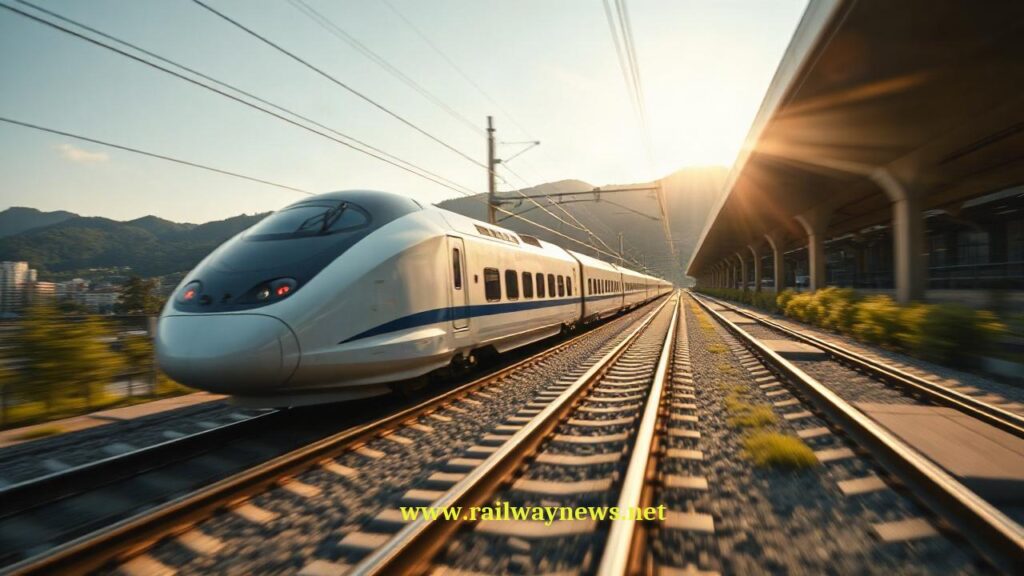
Hitachi delivered Taiwan's first N700ST high-speed train from Japan in...

September 5, 2026 4:19 pm
CPK launched formal tender talks with four consortia to design...
September 5, 2026 7:14 pm
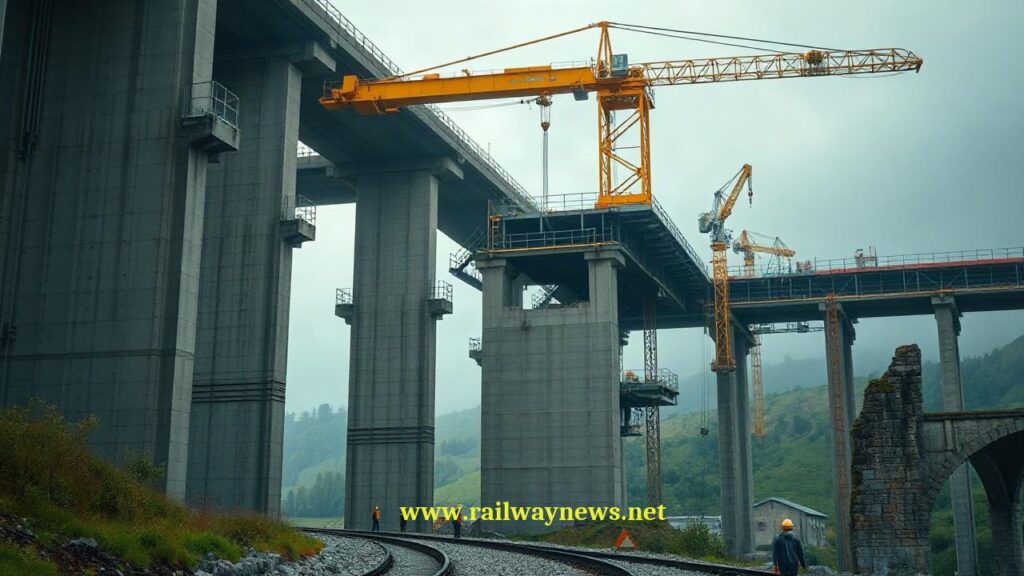
HS2 Ltd signed renegotiated civils contracts with EKFB and Align...
September 6, 2026 6:17 am
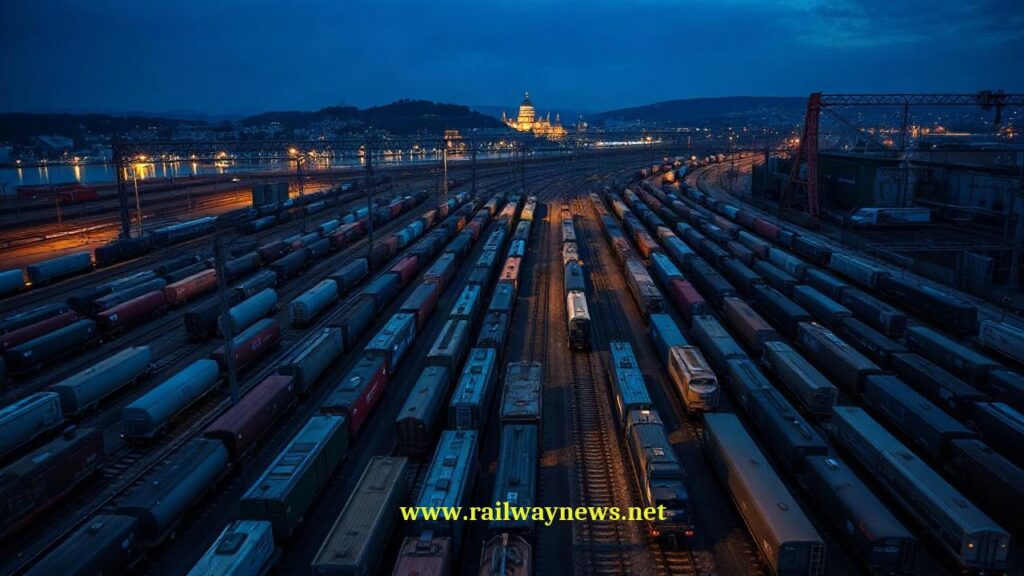
Hungary ordered a national ban on most freight trains from...
September 6, 2026 1:17 am
Hitachi Toshiba Supreme Consortium confirmed the first of 12 N700ST...
September 6, 2026 8:17 am
DB InfraGO reopened the Nuremberg-Regensburg line in Bavaria on 31...