
MÁV Reports 30 Stadler FLIRT EMUs Grounded in Hungary
In Hungary, MÁV pulled 30 Stadler FLIRT EMUs from service as severe heat above 40°C beat the 35°C design cap, causing overheating and train delays.
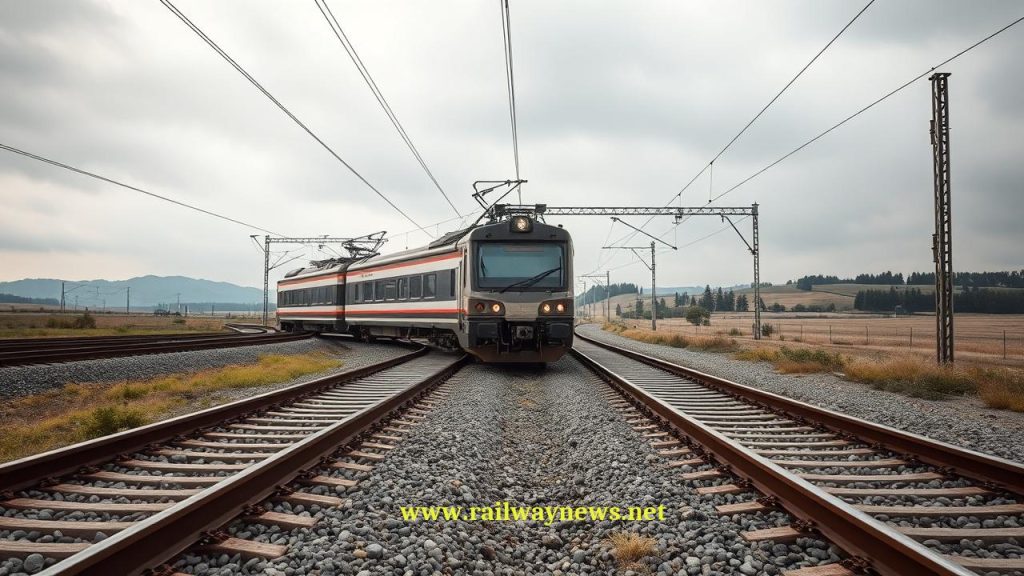
⚡ In Brief: Approximately 30 Stadler FLIRT EMUs were pulled from MÁV service in Hungary after ambient temperatures surpassing 40°C exceeded the trains’ 35°C design threshold, causing overheating across multiple lines.
BUDAPEST, HUNGARY – Hungarian state railway operator MÁV removed roughly 30 Stadler FLIRT electric multiple units from service during a severe heat wave that saw temperatures reach 42°C across the country. Transport and Investment Minister Dávid Vitézy confirmed the groundings on social media, noting the situation was “changing by the minute” as MÁV scrambled to source replacement rolling stock.
What Happened and What Is the Scale of Impact?
Metal roof structures and interior technical compartments on the affected FLIRT units reached 60–70°C under direct sunlight, disabling air-conditioning systems, traction equipment, and roof-mounted components essential for safe operation. The trains were procured 10–20 years ago under technical specifications requiring reliable function only up to 35°C ambient temperature. MÁV reported disruptions across several regional and intercity corridors, with the operator’s MÁVinform platform issuing real-time service updates. No figure for total passenger journeys affected has been released.
Key Incident Data
| Parameter | Value |
|---|---|
| Incident Type | Heat-related fleet grounding / service disruption |
| Total Value / Economic Impact | Not disclosed |
| Parties Involved | MÁV (operator), Stadler (manufacturer), Hungarian Ministry of Transport |
| Timeline / Completion | Ongoing; no return-to-service date confirmed for affected units |
| Country / Corridor | Hungary, multiple domestic routes served by FLIRT EMUs |
How Does This Compare to Similar Incidents on This Network?
The grounding occurs against a backdrop of continued Hungarian investment in the same FLIRT platform. GYSEV, the Hungarian-Austrian cross-border operator, is currently procuring new InterCity FLIRT EMUs with the first unit expected to arrive in Hungary by late 2026 and domestic test runs commencing shortly thereafter. Passenger service entry is scheduled from 2027 through summer 2028 (Source: Railvolution, 2025). Whether the new GYSEV FLIRT units carry updated thermal tolerance specifications exceeding the legacy 35°C threshold has not been publicly confirmed. MÁV has not disclosed comparable heat-related grounding figures from previous summers, making it impossible to benchmark this event against historical fleet performance.
Editor’s Analysis
This incident exposes a procurement specification gap that is likely replicated across multiple European fleets acquired in the early 2000s, when 35°C was considered an upper-bound design case rather than a recurring summer condition. The simultaneous pursuit of new FLIRT acquisitions through GYSEV — while legacy FLIRT units sit idle — suggests Hungarian rail authorities are managing a bifurcated fleet strategy: maintaining older assets built to obsolete climate assumptions while onboarding replacements that presumably reflect updated thermal performance requirements. The intermodal rail market’s 1.5% volume growth to 14.06 million units in 2025 underscores that freight and passenger operators alike face rising utilisation pressure precisely when climate resilience gaps in legacy rolling stock are becoming apparent (Source: Logistics Management, 2025).
FAQ
Q: Why were the Stadler FLIRT trains not originally designed to operate above 35°C?
A: The technical requirements MÁV imposed on Stadler at the time of procurement 10–20 years ago specified reliable operation only up to 35°C ambient temperature, which was then considered a conservative upper limit for Central Europe.
Q: When will the grounded FLIRT trains return to passenger service?
A: MÁV has not issued a confirmed return-to-service timeline. Resumption of operations likely depends on ambient temperatures falling back within the units’ design envelope and any necessary component inspections being completed.
Q: Are the new GYSEV FLIRT trains being built to higher temperature specifications?
A: The technical specifications for the GYSEV InterCity FLIRT order have not been publicly detailed regarding maximum operating temperature. Given the procurement post-dates the current heat wave by several years, updated thermal requirements are plausible but remain unconfirmed by Stadler or GYSEV.

Railway infrastructure, rolling stock and transport technologies specialist focused on global rail industry developments, high-speed rail systems, signaling technologies and freight transportation. Covering railway investments, public transport modernization, rail operations and international mobility projects across Europe, Asia and North America.
RELATED POSTS

October 1, 2026 7:09 am
United States regulators confirmed a September 30 deadline for the...

October 1, 2026 12:13 am
Illinois approved $1.5 billion annually for the Northern Illinois Transit...

October 1, 2026 6:10 am
Amtrak approved a System Expansion Committee on July 30 to...

October 1, 2026 3:12 am
Greenbrier confirmed Brian Comstock as new president and CEO effective...

October 1, 2026 4:10 am
DART launched two public ridership dashboards in March 2026 to...
October 1, 2026 5:14 am
Siemens confirmed delivery of the first new S200 train to...