
Hitachi-PESA Consortium Signs MoU for 20 Polish High-Speed EMUs
Hitachi Rail and PESA Bydgoszcz signed an MoU to bid for a PKP Intercity contract covering 20 high-speed EMUs, 35 options, and a 30-year maintenance period.
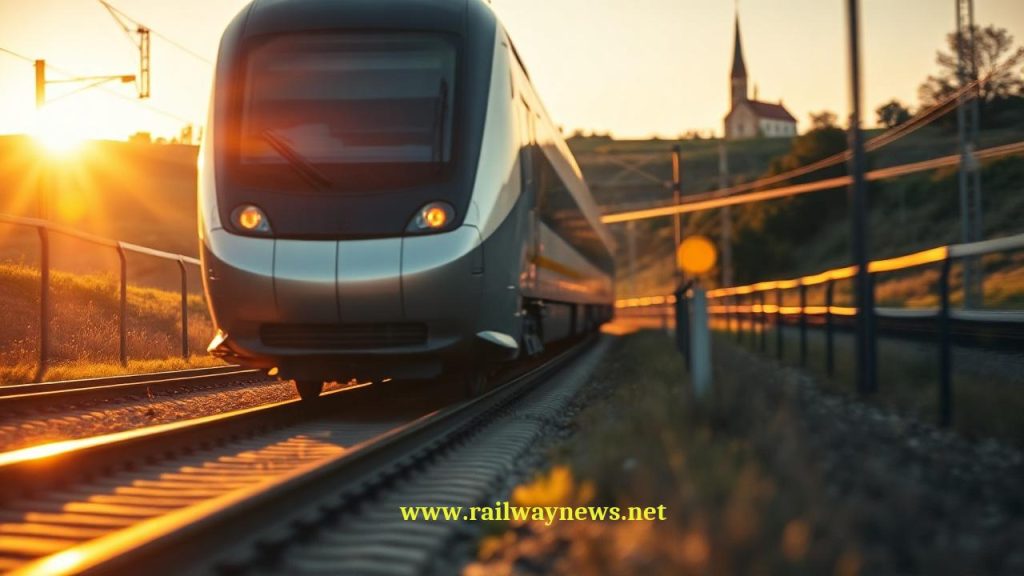
⚡ In Brief: Hitachi Rail and PESA Bydgoszcz signed an MoU to jointly bid for a PKP Intercity contract covering 20 high-speed EMUs, options for 35 additional trains, and a 30-year maintenance period.
WARSAW – Hitachi Rail and PESA Bydgoszcz, Poland’s largest rail vehicle manufacturer, have formed a consortium to pursue a PKP Intercity tender for 20 high-speed electric multiple units (EMUs). The memorandum of understanding, announced via press release, covers an initial batch of trains to be built at Hitachi’s Italian facilities with a gradual transfer of production to PESA in a second phase, plus a 30-year maintenance commitment in Poland.
What Does This Contract Cover?
The tender includes a firm order for 20 high-speed EMUs and options for an additional 35 units, all backed by a 30-year maintenance agreement. Under the MoU, the first 20 trainsets would be manufactured at Hitachi Rail’s plants in Italy, while PESA would gradually assume a larger share of production during the second phase. PESA would lead the long-term maintenance operations within Poland. The agreement also envisions the construction of modern production halls in Bydgoszcz to support future double-decker rail vehicle manufacturing by PESA.
Key Contract Data
| Parameter | Value |
|---|---|
| Contract Name | PKP Intercity High-Speed EMU Tender (Phase I) |
| Total Value | Not disclosed |
| Parties Involved | Hitachi Rail, PESA Bydgoszcz, PKP Intercity |
| Timeline / Completion | Not disclosed |
| Country / Corridor | Poland |
How Does This Compare to Similar Contracts?
PKP Intercity’s modern EMU fleet already includes advanced models with improved seating, enhanced onboard amenities, and energy-efficient technologies aimed at reducing environmental impact (Source: PKP Intercity, recent fleet introductions). The current procurement mirrors earlier high-speed train investments. In 2011, PKP Intercity signed a €400 million contract with Alstom for 20 Pendolino EMUs, which entered service in 2014. That deal did not include a multi-decade maintenance component. By contrast, the Hitachi-PESA consortium’s bid incorporates a 30-year maintenance period, shifting a significant portion of lifecycle responsibility to the supplier. Another recent Polish EMU order—PKP Intercity’s 2022 agreement with Newag for 10 EMUs and 15 options—was valued at approximately PLN 1.2 billion (Source: Newag, 2022). The current tender’s total value has not been disclosed, but the 55 potential units and three-decade maintenance package would likely place it among the largest passenger rolling stock contracts in Central Europe this decade.
Editor’s Analysis
The Hitachi-PESA consortium’s proposal aligns with a broader push to modernize Poland’s railway infrastructure, where signalling market spending alone is forecast to grow substantially on the back of government investments and smart-city initiatives (Source: IndexBox, 2025). By shifting production to Poland in a second phase and mandating local maintenance, the MoU addresses EU objectives for regional industrial development and technology transfer. The 30-year maintenance term signals PKP Intercity’s intent to bundle lifecycle services, a trend that could reshape supplier selection criteria across Central and Eastern Europe. A missing piece is the contract value, which will be a critical metric for comparing competitiveness against standalone suppliers like Siemens or Alstom.
FAQ
Q: What is the total value of the PKP Intercity tender?
A: The contract value has not been publicly disclosed by PKP Intercity or the bidding parties at this stage.
Q: When will the first new EMUs be delivered if the consortium wins?
A: No delivery schedule has been announced. The first 20 units would be built in Italy, with later phases shifting production to Poland, but a timeline was not provided.
Q: What will happen to existing PKP Intercity EMU fleets?
A: The operator plans to use the new high-speed EMUs to expand and modernize its service, supplementing existing Pendolino and Newag fleets rather than replacing them, though official confirmation of fleet integration plans is not yet available.

Railway industry analyst and transport media specialist focused on railway infrastructure, rolling stock, signaling systems and global mobility developments. Covering high-speed rail projects, railway modernization, freight transportation and smart rail technologies across international markets.With a strong interest in transport innovation and sustainable mobility, he follows major railway investments, urban transit expansion projects and next-generation rail technologies shaping the future of transportation.His editorial approach combines industry-focused reporting with accessible technical analysis, delivering clear and reliable insights for railway professionals, transport stakeholders and rail enthusiasts worldwide.
RELATED POSTS

October 8, 2026 1:15 pm
Alstom secured a €1bn contract to build 13 automated trains,...

October 1, 2026 7:09 am
United States regulators confirmed a September 30 deadline for the...

October 8, 2026 12:18 pm
Siemens Mobility signed an agreement with VinSpeed to supply 350...

October 4, 2026 5:14 pm
Alstom secured a CA$4.7 billion order from VIA Rail Canada...

October 5, 2026 6:12 pm
AECOM and Jacobs secured a contract in September 2026 to...
October 6, 2026 12:16 am
FTA awarded $233 million in grants to eight US rail...