
UK Rail Upgrades 16 Locomotives for ECML in 8 Weeks
UK rail upgraded 16 classic locomotives with ETCS digital signalling for the East Coast Main Line, completing installation in eight weeks per vehicle.
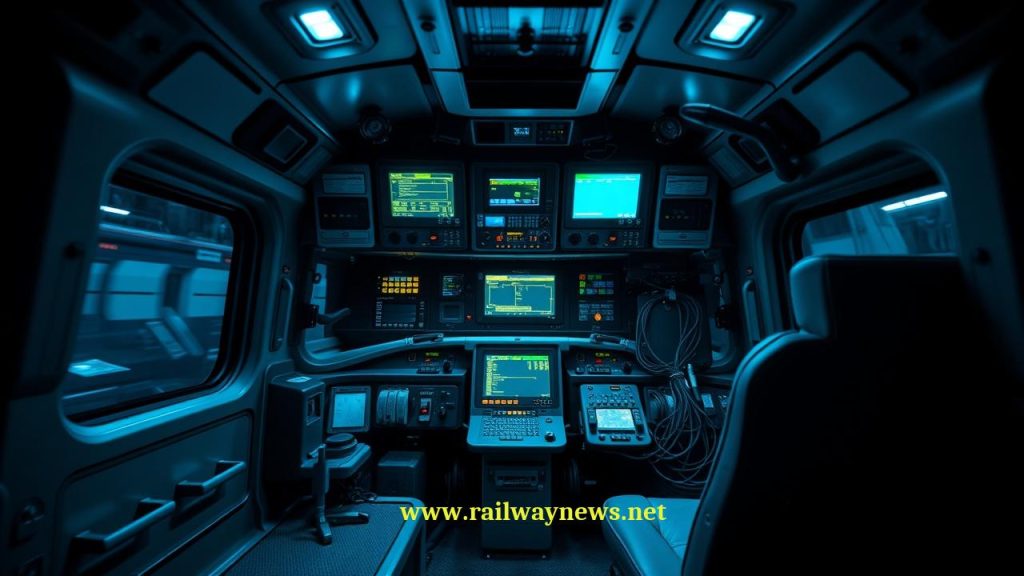
⚡ In Brief: A UK rail program is retrofitting 16 classic high-speed locomotives with ETCS digital signalling as part of a £1.4 billion network upgrade, achieving a new benchmark with an eight-week installation timeline per vehicle for deployment on the East Coast Main Line.
LONDON, UK – The United Kingdom’s national rail modernization effort is accelerating with the rapid retrofitting of 16 classic high-speed locomotives with European Train Control System (ETCS) equipment. Part of a wider £1.4 billion program, the project has established an eight-week turnaround for each digital upgrade, with the third unit now complete and the fourth nearing completion. The first operational use of the newly equipped locomotives is planned for the East Coast Main Line later this year.
What Are the Technical Specifications?
The project involves the installation of ETCS Level 2 signalling equipment into the driver’s cab of existing rolling stock. This technology replaces traditional lineside signals with continuous, real-time movement authority and speed data transmitted directly to the train via the GSM-R network. The scope covers 16 specific high-speed locomotives used for freight, charter, and infrastructure monitoring services. While the overall program is valued at £1.4 billion, the specific contract value for retrofitting these 16 units has not been disclosed.
Key Technical Data
| Parameter | Value |
|---|---|
| Technology / System Name | European Train Control System (ETCS) Retrofit |
| Total Value | £1.4 billion (Wider national program) |
| Parties Involved | Network Rail, various locomotive owners and operators |
| Timeline / Completion | First operations planned for late 2024; full program completion date not specified |
| Country / Corridor | United Kingdom / East Coast Main Line (Initial Deployment) |
Where Does This Technology Stand in the Market?
The ETCS retrofit program is a key component of the UK’s broader rail infrastructure investment, which includes major contracts such as the £856m HS2 control centre in Birmingham (Source: Construction News, 2024). While ETCS Level 2 is the standard for European mainline interoperability, competing systems serve different market segments. Communications-Based Train Control (CBTC) is typically optimized for high-frequency, segregated urban metro lines, whereas the US-mandated Positive Train Control (PTC) system is designed for North American freight and passenger networks without a focus on international standardization (Source: Federal Railroad Administration). The rapid eight-week installation process for legacy trains positions this UK project as a potential global benchmark for brownfield digital migration.
Editor’s Analysis
The primary significance of this project is not the ETCS technology itself, but the creation of a rapid and repeatable process for retrofitting legacy rolling stock. By reducing the installation time to just eight weeks, the program develops a crucial blueprint that can de-risk and accelerate the UK’s wider, multi-billion-pound transition to digital signalling. This focus on efficient implementation addresses a major bottleneck in network modernization and aligns with market projections of significant growth in the UK signalling sector through 2025 (Source: Market Research Data).
FAQ
Q: What is ETCS and why is it being installed?
A: ETCS, or European Train Control System, is a digital signalling system that provides drivers with real-time information in the cab, replacing traditional lineside signals. It is being installed across the UK network to improve safety, increase capacity, and enhance the reliability of train services.
Q: Which specific locomotives are part of this 16-unit program?
A: The source identifies several locomotives, including 43468 (third unit completed), 43484 (fourth unit), and 43047 (fifth unit to enter the program). The units are used for a mix of freight, charter services, and infrastructure management trains.
Q: What is the impact of an eight-week installation time?
A: An eight-week turnaround minimizes the time that essential rolling stock is out of service, which is critical for freight and charter operators with limited fleets. This efficiency makes the nationwide upgrade more economically viable and less disruptive to daily rail operations.

Railway infrastructure, rolling stock and transport technologies specialist focused on global rail industry developments, high-speed rail systems, signaling technologies and freight transportation. Covering railway investments, public transport modernization, rail operations and international mobility projects across Europe, Asia and North America.
RELATED POSTS

October 1, 2026 7:09 am
United States regulators confirmed a September 30 deadline for the...

October 8, 2026 1:15 pm
Alstom secured a €1bn contract to build 13 automated trains,...

October 4, 2026 5:14 pm
Alstom secured a CA$4.7 billion order from VIA Rail Canada...

October 1, 2026 12:13 am
Illinois approved $1.5 billion annually for the Northern Illinois Transit...

October 6, 2026 2:14 am
Union Pacific launched export rail shipments with Ferromex to deliver...

October 1, 2026 6:10 am
Amtrak approved a System Expansion Committee on July 30 to...