
Hitachi Rail Secures 15-Year ISCS Support Singapore NEL
Hitachi Rail secured a 15-year contract in Singapore to support the North East Line’s Integrated Supervision and Control System (ISCS) starting 2026.
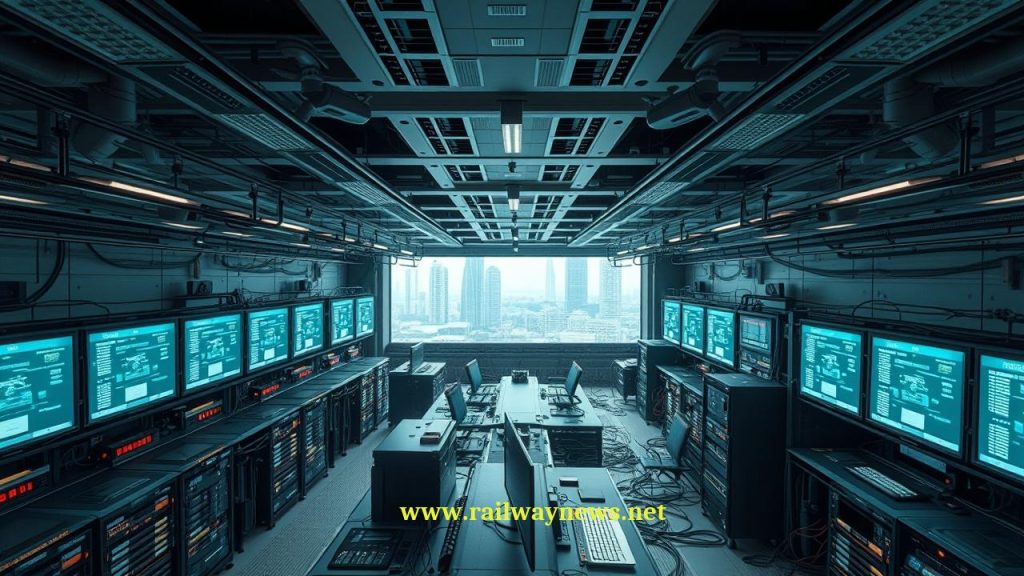
⚡ In Brief: Hitachi Rail has secured a 15-year support contract, beginning in 2026, to maintain the Integrated Supervision and Control System (ISCS) for SBS Transit Rail’s North East Line in Singapore, addressing technology obsolescence and system reliability.
SINGAPORE – Hitachi Rail will provide long-term technical support for the Integrated Supervision and Control System (ISCS) on Singapore’s North East Line (NEL) under a 15-year contract starting in 2026. The agreement with operator SBS Transit Rail is designed to manage the aging control system and ensure operational reliability.
What Does This Contract Cover?
The contract covers a structured, long-term support model for the NEL’s core ISCS, which integrates the monitoring and control of the line’s main operational equipment. Hitachi Rail’s scope includes providing technical expertise to manage technology obsolescence, aiming to replace ad-hoc interventions with a planned maintenance and replacement program. The goal is to support the line’s operational objectives over the next 15 years and reduce dependency on short-term repairs for the critical control system.
Key Contract Data
| Parameter | Value |
|---|---|
| Contract Name | Integrated Supervision Control System (ISCS) Support Contract |
| Total Value | Not disclosed |
| Parties Involved | Hitachi Rail, SBS Transit Rail |
| Timeline / Completion | 15-year term, starting 2026 |
| Country / Corridor | Singapore / North East Line (NEL) |
How Does This Compare to Similar Contracts?
The financial value of Hitachi’s 15-year support contract was not disclosed, making direct comparison difficult. However, its long-term nature aligns with other major transport infrastructure agreements scheduled for the same period. For scale context, Skanska secured a $1 billion contract in the U.S. to modernize a single rail bridge in Massachusetts, with work also beginning in 2026. (Source: Construction Dive, 2026). This highlights the significant capital investment required for both new-build and modernization rail projects globally, with Hitachi’s contract focusing on the critical, long-tail systems and software support rather than civil works.
Editor’s Analysis
This contract underscores a critical industry-wide challenge: managing the lifecycle and obsolescence of digital control systems installed decades ago. By moving from reactive, ad-hoc fixes to a structured 15-year support model, SBS Transit is addressing technical debt to maintain service reliability on a high-frequency metro line. This proactive approach to asset management is essential for cities aiming to increase public transit use, a trend supported by research showing a decreasing reliance on private cars linked to urban planning and transit availability. (Source: Nature, 2026). The agreement signals a mature market where maintaining existing infrastructure is as crucial as building new lines.
FAQ
Q: What is an Integrated Supervision Control System (ISCS)?
A: An ISCS is a central command-and-control platform that allows operators to monitor and manage multiple subsystems on a metro line from a single location. It integrates systems like power, signaling, and communications to ensure safe and coordinated operations.
Q: What is the financial value of this Hitachi Rail contract?
A: The total value of the 15-year contract has not been publicly disclosed by Hitachi Rail or SBS Transit Rail. This is common for long-term service agreements where costs can fluctuate based on specific needs over the contract’s lifetime.
Q: How will this contract affect passengers on the North East Line?
A: The primary goal of this contract is to improve the reliability of the line’s control system, which should translate to more stable and dependable service for passengers. By proactively managing system aging, the operator aims to reduce the likelihood of service disruptions caused by control system failures.

Railway infrastructure, rolling stock and transport technologies specialist focused on global rail industry developments, high-speed rail systems, signaling technologies and freight transportation. Covering railway investments, public transport modernization, rail operations and international mobility projects across Europe, Asia and North America.
RELATED POSTS

October 8, 2026 1:15 pm
Alstom secured a €1bn contract to build 13 automated trains,...

October 1, 2026 7:09 am
United States regulators confirmed a September 30 deadline for the...

October 8, 2026 12:18 pm
Siemens Mobility signed an agreement with VinSpeed to supply 350...

October 4, 2026 5:14 pm
Alstom secured a CA$4.7 billion order from VIA Rail Canada...

October 5, 2026 6:12 pm
AECOM and Jacobs secured a contract in September 2026 to...

October 1, 2026 12:13 am
Illinois approved $1.5 billion annually for the Northern Illinois Transit...