
Arcadis Wins £100M Programme Partner Contract UK TRU
Arcadis secured a £100 million Programme Partner contract for 5 years, providing programme management for the UK’s 122 km Transpennine Route Upgrade.
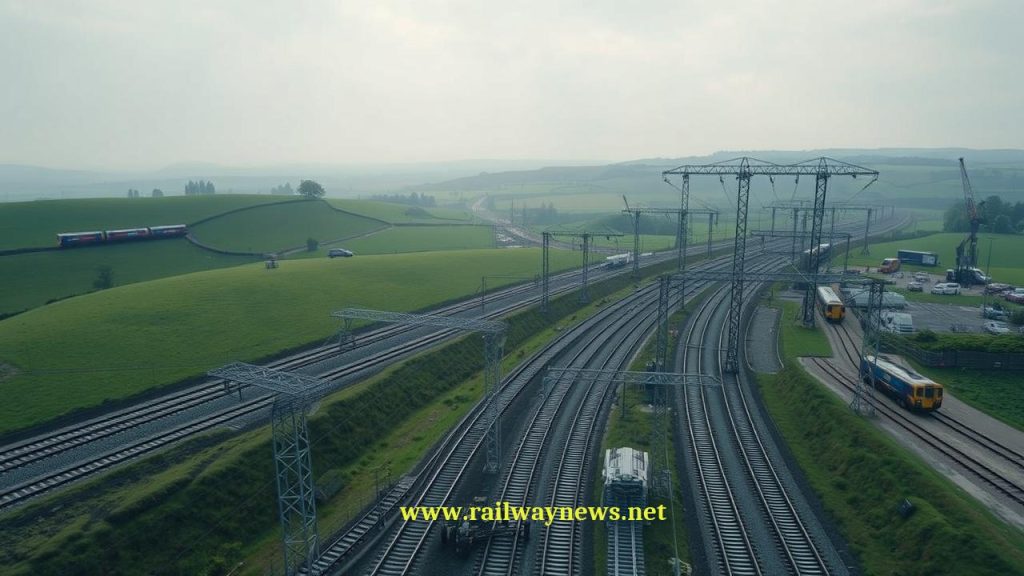
⚡ In Brief: Arcadis has secured a five-year Programme Partner framework contract, valued at up to £100 million, to provide programme management and project controls for the UK’s £10.7 billion Transpennine Route Upgrade project connecting Manchester, Leeds, and York.
LONDON, UK – Arcadis has been appointed to a five-year Programme Partner framework for the Transpennine Route Upgrade (TRU), a contract valued at up to £100 million with an option to extend to eight years. The firm will provide programme management and data analytics for the £10.7 billion project, which is modernising 122 km of railway in the North of England. This appointment is part of a broader programme partner structure initiated in 2024 to enhance delivery oversight.
What Does This Contract Cover?
The framework requires Arcadis to deliver integrated programme management, project controls, and data-led performance oversight across the multi-alliance TRU delivery structure. Key services include schedule monitoring, risk management, strategic advisory, construction management, and commercial management, with the stated goal of driving delivery certainty. The contract’s scope is specifically focused on professional services to coordinate interfaces between project teams and maintain delivery momentum, rather than physical construction work.
Key Contract Data
| Parameter | Value |
|---|---|
| Contract Name | Programme Partner Framework |
| Total Value | Up to £100 million (over 5 years, with 8-year extension option) |
| Parties Involved | Arcadis, Network Rail (Project Client) |
| Timeline / Completion | 5-year initial term; official start date not disclosed |
| Country / Corridor | United Kingdom / Transpennine Route (Manchester-Leeds-York) |
How Does This Compare to Similar Contracts?
The Arcadis contract is part of a wider Programme Partner framework for TRU, which began in 2024 with an initial engagement for technology and consulting firm CGI. That separate agreement was structured for three years with a potential total value of £180 million over five years including extensions, indicating a multi-partner approach to programme oversight (Source: Public Technology). While significant, the value of these professional services frameworks is dwarfed by major government procurement contracts, such as the German military’s up to €3.1 billion framework with Rheinmetall for soldier systems, which runs until 2030 (Source: Army Technology). The combined potential value of the known TRU programme partner contracts represents approximately 2.6% of the total £10.7 billion project budget.
Editor’s Analysis
The appointment of specialist programme partners for the TRU highlights a strategic shift towards de-risking major UK rail projects through enhanced oversight. This approach is a direct response to the challenges faced by other megaprojects, most significantly the HS2 high-speed line, where Phase 1 costs have escalated to between £81 billion and £100 billion from much lower original estimates (Source: Newsweek). By embedding dedicated management and data analytics firms, Network Rail aims to impose stricter controls on the £10.7 billion TRU, a project central to regional economic strategy. This reflects a wider industry trend of adopting integrated partner models to manage the complexity of multi-site, multi-alliance infrastructure upgrades.
FAQ
Q: What is the total cost of the Transpennine Route Upgrade?
A: The entire Transpennine Route Upgrade (TRU) programme is valued at £10.7 billion. Arcadis’s programme management contract represents a fraction of this total investment, focused on delivery oversight.
Q: Who else is a Programme Partner on this project?
A: The broader Programme Partner framework was initiated in 2024 with technology firm CGI as an initial partner. That separate agreement has a potential value of up to £180 million over five years, suggesting multiple specialist firms are involved in overseeing the project.
Q: What are the main benefits for passengers once TRU is complete?
A: The upgrade is expected to reduce journey times between Manchester and York to as little as 63 minutes and between Manchester and Leeds to around 42 minutes. The project also includes full electrification of the 122 km route, which will enable greener and more reliable travel.

Railway infrastructure, rolling stock and transport technologies specialist focused on global rail industry developments, high-speed rail systems, signaling technologies and freight transportation. Covering railway investments, public transport modernization, rail operations and international mobility projects across Europe, Asia and North America.
RELATED POSTS

September 5, 2026 4:19 pm
CPK launched formal tender talks with four consortia to design...

September 5, 2026 7:14 pm
HS2 Ltd signed renegotiated civils contracts with EKFB and Align...

September 6, 2026 4:12 am
Alstom delivered the first of 100 new G Class trams...
September 5, 2026 6:17 pm
Universal Signalling won a deal to install its U-Cross system...
September 6, 2026 8:17 am
DB InfraGO reopened the Nuremberg-Regensburg line in Bavaria on 31...
September 6, 2026 12:20 pm
Indian Railways ordered a probe after a fire destroyed 2...