
SNCB Expands Digital Platform Zoning to 3 Stations
SNCB expanded its digital platform zoning system to 3 stations in Belgium, displaying train car locations via mobile app after a Sept. 2023 pilot.
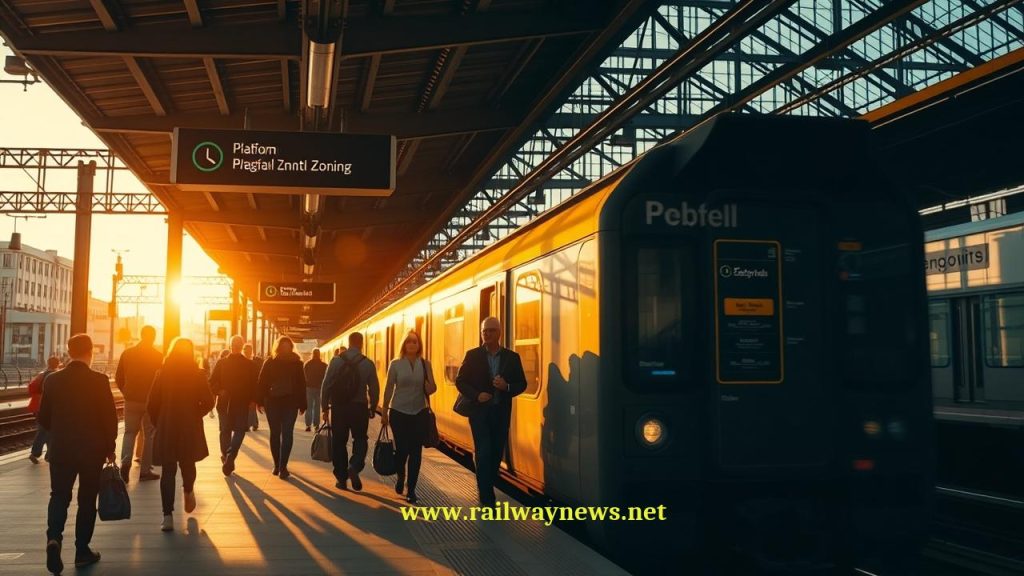
⚡ In Brief: Belgium’s national railway operator, SNCB, is deploying a digital platform zoning system at three major stations, including Brussels Airport, using its mobile app to display train car locations to reduce boarding times and improve punctuality.
BRUSSELS, BELGIUM – The national railway company of Belgium, SNCB, is expanding its platform zoning and real-time train composition display system to Hal and Brussels Airport stations. The system, successfully piloted at Brussels-Central Station since last September, uses platform markings and a mobile app to guide passengers to the correct boarding location before the train’s arrival.
What Are the Technical Specifications?
The system integrates physical platform infrastructure with real-time digital information delivered to passengers via the SNCB app. Platforms are divided into lettered zones (A, B, C, D) using new physical signage. The SNCB mobile app displays the train’s composition in its actual direction of travel, showing which numbered car will stop in each corresponding platform zone. This data will also be displayed on platform screens in a future update. The app enhancement also includes clearer display of connection times and disruption-related route changes.
Key Technical Data
| Parameter | Value |
|---|---|
| Technology / System Name | SNCB Platform Zoning & Train Composition Display |
| Total Value | Not disclosed |
| Parties Involved | SNCB |
| Timeline / Completion | Pilot from Sept. 2023; current rollout to 2 new stations; further expansion timeline not disclosed |
| Country / Corridor | Belgium / National Network (starting with Brussels-Central, Hal, Brussels Airport) |
Where Does This Technology Stand in the Market?
While a significant passenger experience upgrade for SNCB, this type of coach-positioning information system is an established standard among other major European rail operators. Germany’s Deutsche Bahn (DB) has long provided a similar feature, the Wagenreihungsplan, both on paper charts and dynamically within its DB Navigator app, detailing the stopping position of every car. Similarly, Swiss Federal Railways (SBB) integrates real-time train composition and platform sector information into its app and on-platform displays, allowing passengers to position themselves for specific cars like restaurant or family coaches. SNCB’s implementation modernises its service to align with these established European benchmarks for passenger information.
Editor’s Analysis
SNCB’s adoption of platform zoning is a strategic move to address operational efficiency and punctuality through proven, low-cost digital tools rather than major infrastructure changes. This reflects a broader industry focus on leveraging passenger-facing technology to improve service delivery and manage platform congestion. The initiative aligns with global trends in enhancing rail operations through improved digital connectivity, such as the deployment of dedicated 5G networks to support real-time data applications for both passengers and operational staff. (Source: Developing Telecoms, 2024)
FAQ
Q: How does the SNCB system work for passengers?
A: Passengers check the SNCB app for their specific journey, which shows a diagram of the train and indicates in which lettered zone on the platform (e.g., A, B, C) their desired car will stop. They can then wait in that zone before the train arrives.
Q: What was the total investment for this system’s development and rollout?
A: The total project cost or capital investment for developing the app features and installing the new platform signage has not been disclosed by SNCB.
Q: Is this system available for all SNCB trains and at all Belgian stations?
A: No, the system is currently operational at Brussels-Central, Hal, and Brussels Airport stations. SNCB has announced plans to expand the concept to other major stations, but a detailed timeline has not been provided.

Railway infrastructure, rolling stock and transport technologies specialist focused on global rail industry developments, high-speed rail systems, signaling technologies and freight transportation. Covering railway investments, public transport modernization, rail operations and international mobility projects across Europe, Asia and North America.
RELATED POSTS

October 1, 2026 7:09 am
United States regulators confirmed a September 30 deadline for the...

October 1, 2026 12:13 am
Illinois approved $1.5 billion annually for the Northern Illinois Transit...
October 1, 2026 5:14 am
Siemens confirmed delivery of the first new S200 train to...

October 1, 2026 6:10 am
Amtrak approved a System Expansion Committee on July 30 to...

October 1, 2026 3:12 am
Greenbrier confirmed Brian Comstock as new president and CEO effective...
October 1, 2026 4:10 am
DART launched two public ridership dashboards in March 2026 to...