
Czech Operator Reports Poland Market Exit May 2026
A Czech operator confirmed its Kraków–Warsaw domestic service withdrawal from Poland by May 3, 2026, citing anti-competition and illegal cancellations.
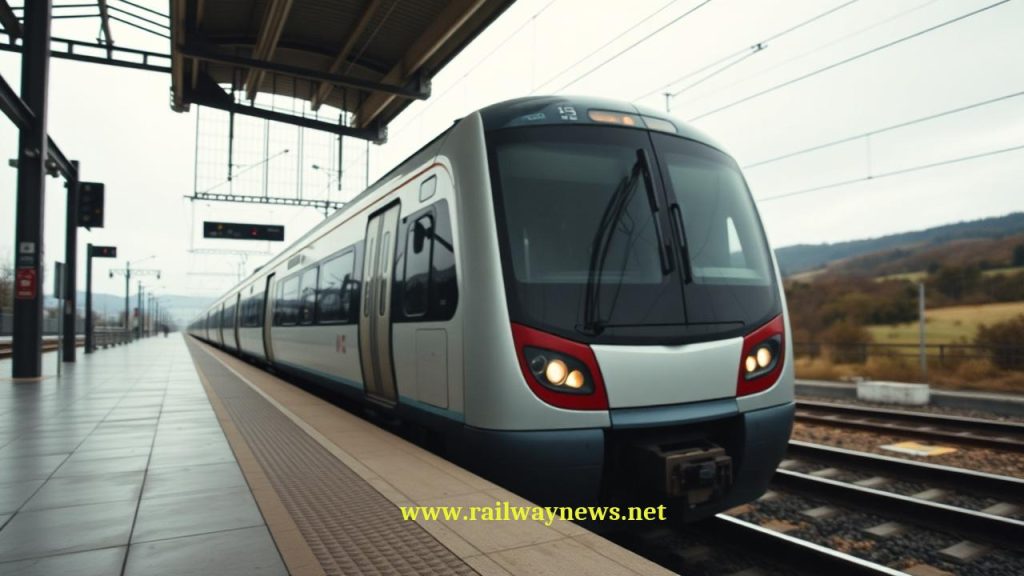
⚡ In Brief: A Czech private rail operator is ceasing its Polish domestic services on the Kraków–Warsaw route by May 3, 2026, citing anti-competitive practices from the state-owned incumbent after less than one year of operation.
WARSAW, POLAND – A Czech private passenger operator has announced a full withdrawal from Poland’s domestic rail market, halting its Kraków–Warsaw service effective May 3, 2026. The company, which launched its first Polish domestic route in September 2025, alleges a series of anti-competitive actions by the state-owned railway group, including predatory pricing with fare cuts up to 70% and restricted access to essential infrastructure.
What Is the Full Scope of This Development?
The operator’s market exit involves the complete cessation of its domestic-only passenger services in Poland, less than a year after launch. The company’s allegations centre on systematic obstruction by the state incumbent, including being denied practical use of a maintenance depot secured via a bid, forcing repairs to be conducted outdoors or moved to the Czech Republic. Concurrently, the operator faced internal challenges, including a Polish Railway Office (UTK) investigation that found its own service cancellations in December 2025 constituted “illegal practices,” indicating a dual cause for the withdrawal.
Key Development Data
| Parameter | Value |
|---|---|
| Company / Organisation | Czech private operator, Polish state-owned railway group, Polish Railway Office (UTK) |
| Total Value | Not disclosed; financial loss from the market exit was not quantified. |
| Parties Involved | Czech private operator, Polish state-owned railway group |
| Timeline / Completion | Domestic service launched Sep 2025; withdrawal effective May 3, 2026. |
| Country / Corridor | Poland / Kraków–Warsaw |
How Does This Compare to Industry Trends?
Comparable data for a private operator’s market-entry failure of this speed in Poland was not publicly available at time of publication. However, this case exemplifies the persistent challenges to the EU’s Fourth Railway Package, which mandates open access for domestic passenger services to foster competition. The Czech operator’s experience in Poland, where an incumbent controls key infrastructure, mirrors difficulties seen in other member states where the legal right to compete does not always translate to fair practical access. While new entrants like Flixtrain in Germany and Trenitalia in France have gained a foothold, they have also reported significant initial barriers related to path allocation and facility access. (Source: European Commission, 2022).
Editor’s Analysis
The rapid failure of this venture is a significant setback for rail liberalization in Central and Eastern Europe. The combination of alleged incumbent hostility and the new entrant’s own admitted operational failures creates a complex narrative that cannot be simplified to just one cause. This case will likely serve as a cautionary tale for potential investors, demonstrating that market entry requires not only substantial capital and regulatory approval but also flawless operational execution to survive in a contested environment. The ultimate response from Polish and EU regulators to the anti-competition claims will be a critical indicator of the market’s true openness. (Source: EU Agency for Railways, Rail Market Monitoring Report).
FAQ
Q: Which specific routes are affected by the withdrawal?
A: The withdrawal exclusively affects the domestic-only passenger service between Kraków and Warsaw. The company has stated it will continue to operate its international trains that transit Poland, namely the Przemyśl–Prague and Warsaw–Prague routes.
Q: What were the main anti-competitive practices alleged?
A: The operator cited several key obstacles, including aggressive fare cuts of up to 70% by the state-owned incumbent after its entry, being denied access to sales points at stations, and being physically blocked from using a maintenance depot it had won in a formal bid.
Q: Did the Czech operator face any official penalties in Poland?
A: Yes, the Polish Railway Office (UTK) concluded that the company’s mass cancellation of trains in December 2025 constituted “illegal practices that violated the collective interests of rail passengers.” This ruling is the first step in a procedure that could result in a fine against the operator.

Railway infrastructure, rolling stock and transport technologies specialist focused on global rail industry developments, high-speed rail systems, signaling technologies and freight transportation. Covering railway investments, public transport modernization, rail operations and international mobility projects across Europe, Asia and North America.
RELATED POSTS

October 1, 2026 7:09 am
United States regulators confirmed a September 30 deadline for the...

October 4, 2026 5:14 pm
Alstom secured a CA$4.7 billion order from VIA Rail Canada...

October 6, 2026 2:14 am
Union Pacific launched export rail shipments with Ferromex to deliver...

October 1, 2026 12:13 am
Illinois approved $1.5 billion annually for the Northern Illinois Transit...

October 1, 2026 6:10 am
Amtrak approved a System Expansion Committee on July 30 to...

October 1, 2026 3:12 am
Greenbrier confirmed Brian Comstock as new president and CEO effective...