
West Midlands Metro Opens 1.7 km Extension Birmingham Eastside
Transport for West Midlands launched a 1.7 km West Midlands Metro extension in Birmingham on April 5, adding two stations.
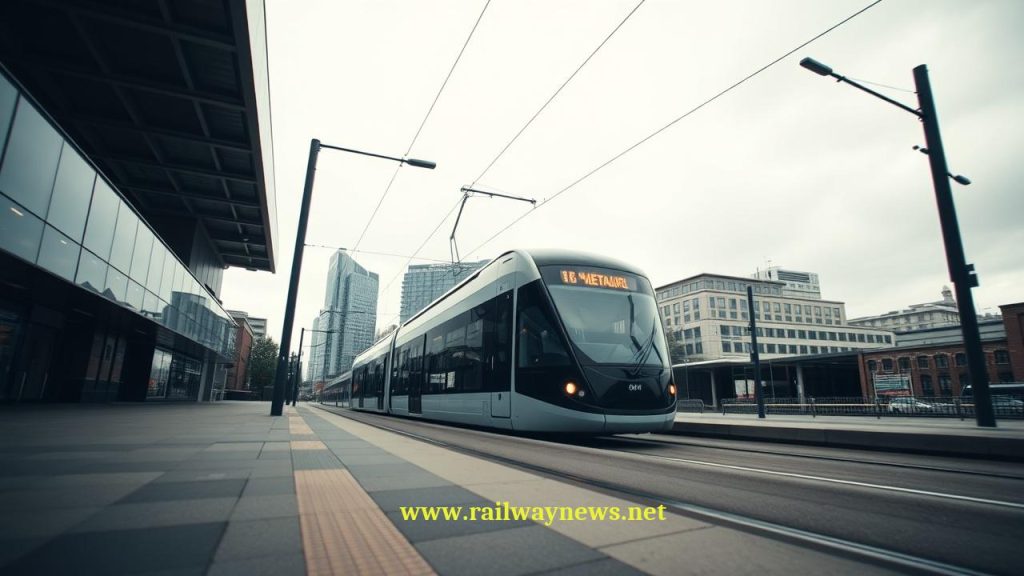
⚡ In Brief: Transport for West Midlands launched a 1.7 km extension of the West Midlands Metro in Birmingham on April 5, adding two new stations and creating the network’s first branch line to connect the city’s Eastside district.
BIRMINGHAM, UK – Operations began on the Birmingham Eastside Metro extension to Millennium Point on April 5, opening a 1.7 km new branch on the West Midlands Metro network. The extension, delivered by Transport for West Midlands (TfWM), adds two new stations and provides a direct tram link for the 400,000 weekly passengers using the nearby Moor Street bus hub. Services will initially run at a frequency of up to 15 minutes.
What Is the Full Scope of This Project?
This project constitutes the first phase of the Birmingham Eastside extension, adding 1.7 km of new track and two stations, Albert Street and Millennium Point. The new infrastructure establishes the first branch off the main line between Birmingham and Wolverhampton and is intended to improve transport integration by connecting tram, bus, and rail services at Moor Street. Future phases are already underway to extend the line further to Digbeth Coach Station, with long-term plans for connections to North Solihull and Birmingham Airport.
Key Project Data
| Parameter | Value |
|---|---|
| Project / Contract Name | Birmingham Eastside Tram Extension (Phase 1: Millennium Point) |
| Total Value | Not disclosed |
| Parties Involved | Transport for West Midlands (TfWM), West Midlands Metro, Midland Metro Alliance (Egis, Tony Gee, Pell Frischmann, Colas Rail) |
| Timeline / Completion | Phase 1 operations began April 5 |
| Country / Corridor | United Kingdom / Birmingham City Centre |
How Does This Compare to Similar Projects?
The scale of this 1.7 km extension is typical for a phased urban light rail expansion in the UK. For comparison, the Manchester Metrolink’s Trafford Park Line extension, which opened in 2020, involved a larger single-phase construction of 5.5 km of track with six new stops at a cost of £350 million (Source: Transport for Greater Manchester, 2020). The delivery of the Birmingham project through a public-private alliance under the West Midlands Combined Authority contrasts with other global infrastructure models, such as the 30-year privatization concession under which Saudi Global Ports began operating the Jubail Container Terminal in 2025 (Source: Saudi Ports Authority, 2025).
Editor’s Analysis
This extension delivers essential physical connectivity to a developing area of Birmingham, directly addressing infrastructure needs. However, the project’s announcement focuses on civil engineering achievements rather than digital enhancements, which is a slight departure from the broader UK urban rail investment trend for 2025 that emphasizes technological upgrades. While new track is crucial, the long-term success of urban transit networks increasingly depends on digital integration, such as advanced real-time information systems and seamless payment platforms, to boost ridership and operational efficiency (Source: Financial Times, Yahoo News Malaysia).
FAQ
Q: What key locations does the new tram extension serve?
A: The extension directly serves Birmingham’s Eastside, providing access to Millennium Point, the Birmingham City University campus, the Clayton Hotel, and creating an interchange at Albert Street for the Moor Street bus and rail stations.
Q: What was the total cost of the extension to Millennium Point?
A: The total project cost for this phase of the Eastside extension was not disclosed in the official announcements from Transport for West Midlands or its partners.
Q: Is this the final extension for the Birmingham tram network?
A: No, this is the first phase of a larger expansion plan. Work is already progressing to extend the line to Digbeth, with further long-term ambitions to connect North Solihull and Birmingham Airport to the tram network.

Railway infrastructure, rolling stock and transport technologies specialist focused on global rail industry developments, high-speed rail systems, signaling technologies and freight transportation. Covering railway investments, public transport modernization, rail operations and international mobility projects across Europe, Asia and North America.
RELATED POSTS

October 8, 2026 1:15 pm
Alstom secured a €1bn contract to build 13 automated trains,...

October 8, 2026 12:18 pm
Siemens Mobility signed an agreement with VinSpeed to supply 350...

October 5, 2026 6:12 pm
AECOM and Jacobs secured a contract in September 2026 to...

October 1, 2026 12:13 am
Illinois approved $1.5 billion annually for the Northern Illinois Transit...

October 4, 2026 11:08 pm
Sound Transit confirmed the September 30 opening of Seattle Pinehurst...

October 5, 2026 1:13 pm
New York MTA confirmed a late 2026 DEIS release for...