
Alstom Secures Cummins Rail Hydrogen Fuel Cell Unit
Alstom acquired Cummins’ rail hydrogen fuel cell unit, vertically integrating technology for its 1,000 km range Coradia iLint trains.
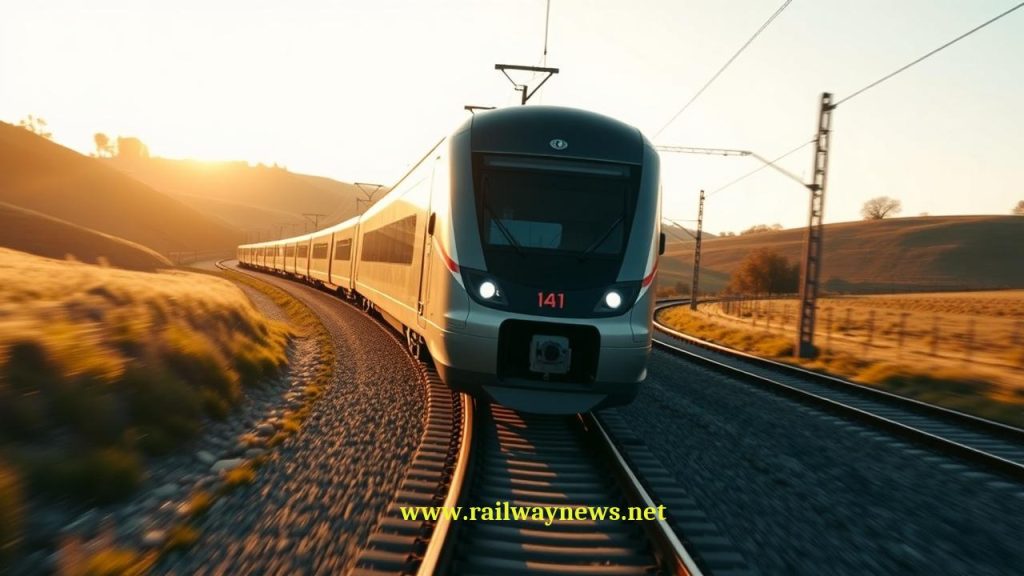
⚡ In Brief: Alstom has acquired Cummins’ rail-focused hydrogen fuel cell division, vertically integrating the technology behind its Coradia iLint trains which have a range of up to 1,000 km and are operating in Germany, Italy, France, and Canada.
SAINT-OUEN, FRANCE – Alstom has acquired the hydrogen fuel cell operations for the rail sector from Cummins Inc., consolidating the technology used in its hydrogen-powered train fleets. The transaction integrates Cummins’ engineering and product development capabilities for hydrogen systems directly into Alstom’s alternative traction portfolio. This move is aimed at accelerating the deployment of hydrogen trains in key markets including Germany, Italy, and France.
What Is the Full Scope of This Development?
The acquisition gives Alstom complete ownership of the design, development, manufacturing, and maintenance chain for the hydrogen fuel cell systems powering its trains. This includes all engineering and support staff from Cummins who were dedicated to the Alstom partnership, which dates back to 2015 with the development of the Coradia iLint. By internalising this expertise, Alstom aims to improve the performance and reduce the operational costs of its existing and future hydrogen fleets.
Key Development Data
| Parameter | Value |
|---|---|
| Company / Organisation | Alstom (Acquirer), Cummins Inc. (Seller) |
| Total Value | Not disclosed |
| Parties Involved | Alstom, Cummins Inc. |
| Timeline / Completion | Not disclosed |
| Country / Corridor | Global operations, with projects in Germany, Italy, France, Canada |
How Does This Compare to Industry Trends?
This move reflects a wider industry trend of vertical integration for critical decarbonisation technologies, where manufacturers seek to control core components to reduce supply chain risk and capture more value. In the competitive landscape for hydrogen trains, Alstom’s Coradia iLint (1,000 km range) faces rivals like Stadler’s FLIRT H2, which holds a world record for range (2,803 km) and is being deployed in California (Source: Stadler, 2024), and Siemens’ Mireo Plus H, which targets a range of up to 1,000 km and is in trials with Deutsche Bahn (Source: Siemens, 2023). The strategic importance of such non-electrified solutions is underscored by the immense cost of infrastructure upgrades. For example, while Germany is investing a record €81 billion in its rail network between 2025-2029, experts estimate an additional €150 billion is needed over ten years to complete the planned overhaul, making hydrogen a cost-effective alternative for many secondary lines (Source: Reuters, 2026).
Editor’s Analysis
Alstom’s acquisition is a defensive and offensive strategic move, transforming a key supplier into an in-house asset to protect its market position in hydrogen traction. By taking full control of the fuel cell technology, the company can better manage costs, reliability, and after-sales service margins for its established Coradia iLint platform. This is particularly relevant as European governments confront the staggering cost of full network electrification, making proven, self-powered green rolling stock a pragmatic solution for decarbonising regional lines for the foreseeable future.
FAQ
Q: Which specific train models use this hydrogen technology?
A: This technology is central to Alstom’s Coradia iLint trains, the world’s first hydrogen fuel cell passenger train, which entered commercial service in 2018. These trains are currently operating or have been ordered for service in Germany, Italy, France, and Canada.
Q: What is the financial value of this acquisition?
A: The financial terms and total value of the transaction between Alstom and Cummins were not publicly disclosed at the time of the announcement.
Q: Why are hydrogen trains used instead of electrifying all rail lines?
A: Full electrification of a rail network is extremely expensive and can take decades, particularly for less-frequented regional or rural routes. Hydrogen trains provide a zero-emission alternative that can operate on existing non-electrified track, avoiding billions in infrastructure investment and accelerating decarbonisation goals.

Railway infrastructure, rolling stock and transport technologies specialist focused on global rail industry developments, high-speed rail systems, signaling technologies and freight transportation. Covering railway investments, public transport modernization, rail operations and international mobility projects across Europe, Asia and North America.
RELATED POSTS
September 6, 2026 5:19 am
Hitachi delivered Taiwan's first N700ST high-speed train from Japan in...
September 6, 2026 6:17 am
Hungary ordered a national ban on most freight trains from...
September 6, 2026 1:17 am
Hitachi Toshiba Supreme Consortium confirmed the first of 12 N700ST...

September 5, 2026 4:19 pm
CPK launched formal tender talks with four consortia to design...

September 6, 2026 4:12 am
Alstom delivered the first of 100 new G Class trams...
September 7, 2026 8:16 am
Midea, Gree and TCL shipped air conditioners via China Railway...