
Alstom Secures €22 Million 11 Traxx P5 Repairs Poland
Alstom secured a €22 million contract with Mazovia Railways for P5-level repairs on 11 Traxx locomotives in Poland.
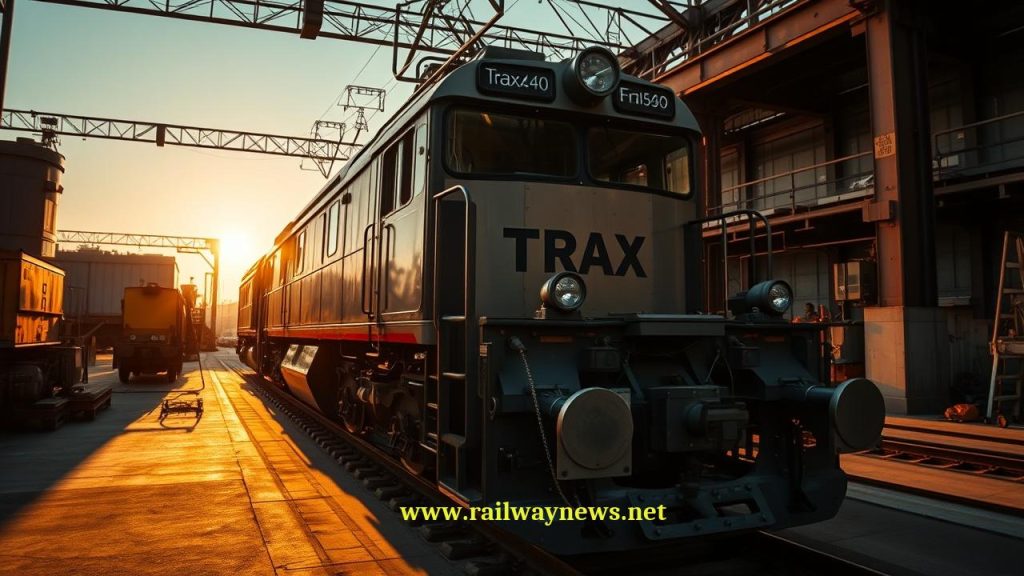
⚡ In Brief: Alstom has secured a €22 million contract with Mazovia Railways in Poland to perform P5-level major repairs on 11 Traxx locomotives, with the work scheduled for completion between 2026 and 2027.
WARSAW, POLAND – Alstom and Mazovia Railways (Koleje Mazowieckie) have finalized a contract valued at over 96 million zlotys (€22 million) for the major overhaul of 11 Traxx locomotives. The P5-level repairs are scheduled to take place between 2026 and 2027. This agreement is part of the operator’s broader fleet modernization strategy in central-eastern Poland.
What Does This Contract Cover?
The work constitutes a P5-level major repair, the most extensive type of scheduled overhaul for rolling stock, intended to ensure long-term operational reliability. The scope for the 11 locomotives includes detailed inspections, repairs of mechanical and electrical systems, and a complete refurbishment of the bodywork and paint. Critically, the bogies will undergo non-destructive ultrasonic and magnetic particle testing, and each locomotive will be covered by a 19-month post-repair warranty. The specific model variants of the Traxx fleet were not disclosed in the announcement.
Key Contract Data
| Parameter | Value |
|---|---|
| Contract Name | Major Repairs on 11 Traxx Locomotives |
| Total Value | Over 96 million zlotys (€22 million) |
| Parties Involved | Alstom (supplier), Mazovia Railways (operator) |
| Timeline / Completion | 2026 – 2027 |
| Country / Corridor | Poland (Mazovia Voivodeship) |
How Does This Compare to Similar Contracts?
The €22 million value for overhauling 11 locomotives is a significant maintenance investment, with a per-unit cost of approximately €2 million. This figure is consistent with industry standards for P5-level refurbishments that substantially extend operational life. While this is a major MRO (Maintenance, Repair, and Overhaul) contract, it is smaller in scale than major new infrastructure projects. For context, in North America, Hoffman Construction secured a much larger $350 million contract from Sound Transit for major civil engineering repairs and upgrades, a project scheduled for completion in 2032 (Source: Construction Dive, 2024). The comparison highlights the different capital requirements for rolling stock life extension versus large-scale fixed infrastructure renewal.
Editor’s Analysis
This contract reflects Mazovia Railways’ dual strategy of acquiring new rolling stock while simultaneously investing in the life extension of its existing high-performance assets. The focus on overhauling the Traxx fleet, which operates key push-pull services, ensures the continued reliability of high-capacity routes in the Warsaw metropolitan area. This investment aligns with a broader European trend of substantial government-backed funding for rail modernization, as seen in Germany’s planned €23 billion investment for 2026, aimed at enhancing regional competitiveness and service quality (Source: Reuters, 2024).
FAQ
Q: What is a P5-level repair?
A: A P5-level repair is a major, in-depth overhaul of a locomotive conducted after a significant period of operation or mileage accumulation. It involves disassembling major components for inspection and repair, non-destructive testing of the frame and bogies, and full refurbishment to extend the vehicle’s service life.
Q: How does this fit into Mazovia Railways’ overall fleet strategy?
A: This repair contract is complementary to the operator’s new vehicle acquisitions. Between 2023 and 2025, Mazovia Railways signed deals for 101 new rail vehicles from Stadler and Pesa, valued at over €1.4 billion, demonstrating a parallel strategy of both fleet expansion and modernization of existing assets.
Q: What is the primary role of the Traxx locomotives for the operator?
A: The Traxx locomotives are key to Mazovia Railways’ operations, particularly for its push-pull trainsets on high-traffic lines. The operator was the first in Poland to launch this type of service, which allows for faster turnarounds at terminal stations and supports high passenger volumes.

Railway infrastructure, rolling stock and transport technologies specialist focused on global rail industry developments, high-speed rail systems, signaling technologies and freight transportation. Covering railway investments, public transport modernization, rail operations and international mobility projects across Europe, Asia and North America.
RELATED POSTS

October 8, 2026 1:15 pm
Alstom secured a €1bn contract to build 13 automated trains,...

October 1, 2026 7:09 am
United States regulators confirmed a September 30 deadline for the...

October 8, 2026 12:18 pm
Siemens Mobility signed an agreement with VinSpeed to supply 350...

October 4, 2026 5:14 pm
Alstom secured a CA$4.7 billion order from VIA Rail Canada...

October 5, 2026 6:12 pm
AECOM and Jacobs secured a contract in September 2026 to...

October 1, 2026 12:13 am
Illinois approved $1.5 billion annually for the Northern Illinois Transit...