
DPP Completes Českomoravská Station Modernization Prague Metro Line B
Czech Republic’s DPP completed Českomoravská Station modernization, installing 1,600 LED lights and 120 km of cabling.
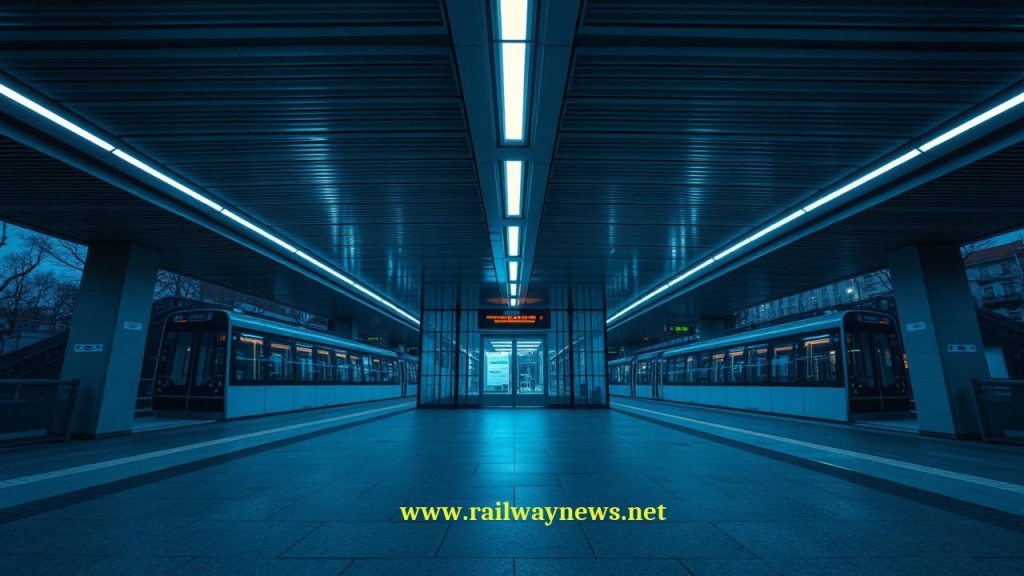
⚡ In Brief: Prague’s public transport operator DPP has completed the modernization of the Českomoravská metro station on Line B, a project involving a complete technological and design overhaul that included the installation of 1,600 LED lights and 120 km of new cabling.
PRAGUE, CZECH REPUBLIC – The Prague Public Transit Company (DPP) announced the completion of the Českomoravská metro station modernization on Line B after a year and a half of reconstruction. The project involved a complete overhaul of the station’s technology and design, from the platforms to the street-level concourse. While the primary announcement cited a March 20th reopening, related industry data indicates a completion date between March 2025 and March 2026, suggesting potential timeline revisions.
What Is the Full Scope of This Project?
The project encompassed a complete reconstruction of the Českomoravská station, stripping it down to its basic structure for reinforcement. The modernization included the replacement of all escalators, the ventilation system, and approximately 120 km of electrical cabling. Additionally, 1,600 LED light fixtures were installed, and the station was finished with 143 unique hand-crafted fused glass panels and a high-reflective glass façade on the lobby. Structural preparations for future elevators were also included, with their installation tied to an adjacent private real estate development.
Key Project Data
| Parameter | Value |
|---|---|
| Project / Contract Name | Českomoravská Station Modernization |
| Total Value | Not disclosed |
| Parties Involved | Prague Public Transit Company (DPP), Unnamed private real estate developer |
| Timeline / Completion | 1.5 years; Completion cited between March 2025 – March 2026 |
| Country / Corridor | Czech Republic / Prague Metro Line B |
How Does This Compare to Similar Projects?
This single-station modernization in Prague is part of a global trend of significant investment in urban rail infrastructure, though it differs in scale from major network expansions. For instance, in Los Angeles, Metro’s 2025-2026 investment wave includes large-scale projects like the 5.1-mile first phase of the D Line subway expansion and plans to extend the K Line. These multi-billion dollar projects aim to build out entire network corridors to attract new ridership, whereas the Prague project focuses on upgrading a key existing hub to improve passenger experience and integrate with local urban development. (Source: Los Angeles Times, 2026).
Editor’s Analysis
The Českomoravská station upgrade highlights a strategic focus on modernizing high-traffic nodes rather than solely pursuing network expansion. By linking the station’s final amenities, such as elevators, to a private real estate project, DPP is leveraging public transport infrastructure as a catalyst for urban regeneration, a model gaining traction globally. This approach reflects a broader industry trend of using transport hubs to create integrated commercial and residential zones, which can generate alternative revenue streams for operators. (Source: Financial Times, 2026).
FAQ
Q: Why was the Českomoravská station chosen for modernization?
A: The station is a key urban hub due to its proximity to Central Europe’s major O2 Arena. Its high and fluctuating passenger traffic for events, concerts, and sports made it a priority for a complete technological and design upgrade.
Q: What was the total cost of the Českomoravská station project?
A: The total value of the modernization project was not publicly disclosed by the Prague Public Transit Company (DPP). The project involved extensive replacement of core systems like ventilation and escalators.
Q: Are elevators currently operational at the station?
A: No, while the structural preparations for elevators have been completed, their actual construction and installation will be coordinated with the future development of an adjacent private real estate project. This makes the station’s full accessibility contingent on the private development’s timeline.

Railway infrastructure, rolling stock and transport technologies specialist focused on global rail industry developments, high-speed rail systems, signaling technologies and freight transportation. Covering railway investments, public transport modernization, rail operations and international mobility projects across Europe, Asia and North America.
RELATED POSTS

October 1, 2026 7:09 am
United States regulators confirmed a September 30 deadline for the...

October 8, 2026 1:15 pm
Alstom secured a €1bn contract to build 13 automated trains,...

October 4, 2026 5:14 pm
Alstom secured a CA$4.7 billion order from VIA Rail Canada...

October 1, 2026 12:13 am
Illinois approved $1.5 billion annually for the Northern Illinois Transit...

October 8, 2026 12:18 pm
Siemens Mobility signed an agreement with VinSpeed to supply 350...

October 6, 2026 2:14 am
Union Pacific launched export rail shipments with Ferromex to deliver...