
Amtrak Orders Single-Level Long-Distance Fleet by 2030s
Amtrak ordered a single-level long-distance fleet for its national network, with first cars entering service by early 2030s.
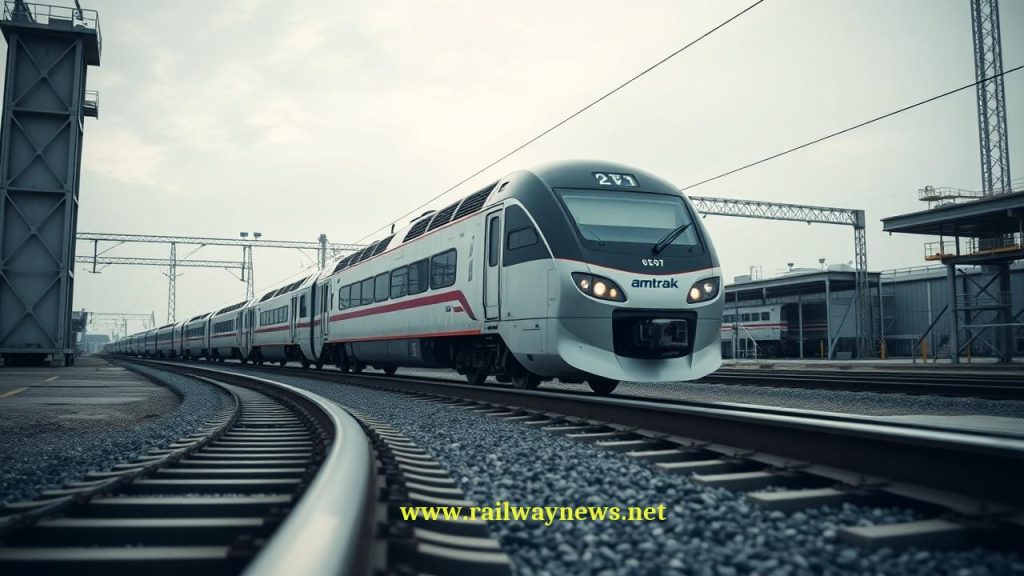
⚡ In Brief: Amtrak has revised its long-distance fleet procurement strategy, opting to order only single-level rail cars to replace its aging fleet, with the first new trains scheduled to enter service in the early 2030s.
WASHINGTON D.C. – The National Railroad Passenger Corporation (Amtrak) announced a significant revision to its long-distance fleet replacement plan, stating it will now exclusively pursue a standardized fleet of single-level passenger cars. This decision reverses the previous strategy of acquiring a mix of bi-level and single-level trains. The first new cars are expected to enter service in the early 2030s.
What Does This Contract Cover?
The revised procurement strategy covers the full replacement of Amtrak’s aging long-distance rolling stock, which includes both Amfleet and Superliner cars. Amtrak officials stated the new approach prioritizes fleet standardization, aims to broaden competition among potential car builders, and will accelerate the replacement timeline. The decision follows industry feedback from a previous request for proposals for bi-level trains and a review with the Federal Railroad Administration (FRA).
Key Contract Data
| Parameter | Value |
|---|---|
| Contract Name | Long-Distance Fleet Replacement |
| Total Value | Not disclosed |
| Parties Involved | Amtrak, Federal Railroad Administration, Undisclosed Bidders |
| Timeline / Completion | First cars to enter service in the early 2030s |
| Country / Corridor | United States / National Network |
How Does This Compare to Similar Contracts?
Comparable data for the total value of this revised national fleet procurement was not publicly available at time of publication. However, the strategic shift to a single-level fleet contrasts with the current bifurcated system where bi-level Superliners, which cannot fit in the tunnels to New York Penn Station, are restricted to Western routes. This move prioritizes network-wide interoperability, a key concern given the persistent infrastructure challenges on critical corridors like the Northeast Corridor (NEC), which recently saw service suspended due to overhead wire issues at the Portal Bridge (Source: NBC New York, 2024). By standardizing on single-level equipment, Amtrak can simplify maintenance, crew training, and operational planning across its entire long-distance network, eliminating a major logistical constraint that has existed for decades.
Editor’s Analysis
This strategic pivot indicates Amtrak is prioritizing operational flexibility and a larger, more competitive supplier base over the higher passenger capacity of bi-level cars on its scenic Western routes. The decision acknowledges the severe limitations imposed by legacy infrastructure on the NEC, which effectively dictates the equipment profile for any train terminating there. While a single-level fleet may offer a less spacious experience on multi-day journeys, the benefits of standardization and simplified procurement appear to be the overriding factors for Amtrak and the FRA in an environment of rising infrastructure investment. (Source: Railway Pro, 2026).
FAQ
Q: Why is Amtrak choosing only single-level cars now?
A: Amtrak is opting for a single-level fleet to standardize its equipment, which simplifies maintenance and operations. This approach also broadens the pool of potential manufacturers who can bid on the contract, increasing competition.
Q: When will the new trains enter service?
A: According to Amtrak President Roger Harris, the first new long-distance cars are scheduled to be introduced in the early 2030s. A more specific year for the first delivery has not been disclosed.
Q: How will this affect passengers on routes that currently use bi-level Superliners?
A: Eventually, all long-distance routes, including those in the West, will be operated with the new single-level cars once the replacement program is complete. This will result in a more consistent, but different, onboard configuration compared to the current Superliners.

Railway infrastructure, rolling stock and transport technologies specialist focused on global rail industry developments, high-speed rail systems, signaling technologies and freight transportation. Covering railway investments, public transport modernization, rail operations and international mobility projects across Europe, Asia and North America.
RELATED POSTS

October 1, 2026 7:09 am
United States regulators confirmed a September 30 deadline for the...

October 1, 2026 12:13 am
Illinois approved $1.5 billion annually for the Northern Illinois Transit...

October 1, 2026 6:10 am
Amtrak approved a System Expansion Committee on July 30 to...

October 4, 2026 5:14 pm
Alstom secured a CA$4.7 billion order from VIA Rail Canada...
October 1, 2026 4:10 am
DART launched two public ridership dashboards in March 2026 to...
October 1, 2026 5:14 am
Siemens confirmed delivery of the first new S200 train to...