
MBTA Orders 20 Locomotives, $15M TGV-Class EMUs for Regional Rail
MBTA ordered 20 battery-electric and Tier-4 diesel locomotives for its regional rail network by Summer 2024.
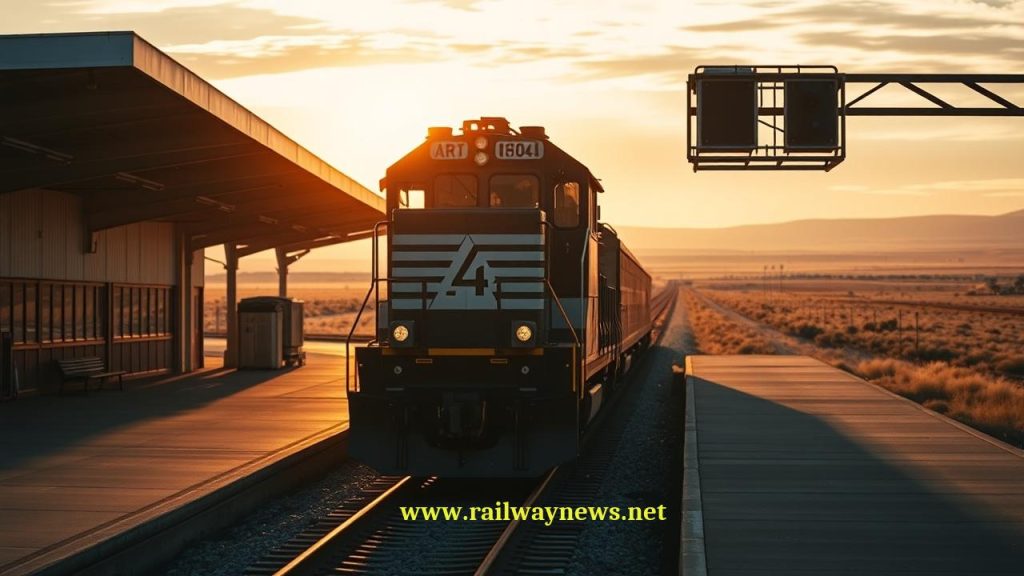
⚡ In Brief: The Massachusetts Bay Transportation Authority (MBTA) has issued a request for proposals to procure 20 new locomotives, including 10 battery-electric and 10 Tier-4 diesel units, to modernize its regional rail service and reduce fleet emissions.
BOSTON – The Massachusetts Bay Transportation Authority (MBTA) has released a request for proposals (RFP) for 20 new locomotives for its regional Commuter Rail network. The procurement includes 10 battery-electric locomotives and 10 Tier-4 low-emissions diesel locomotives, with contracts anticipated to be awarded this summer.
What Does This Contract Cover?
The procurement is divided into two distinct technological categories to serve different parts of the MBTA network. The 10 battery-electric locomotives are designated for initial use on the Providence Line, which already has overhead electric power infrastructure. The 10 Tier-4 diesel locomotives are intended for deployment on routes lacking the necessary electrical infrastructure. The total value of the procurement was not disclosed in the initial announcement.
Key Contract Data
| Parameter | Value |
|---|---|
| Contract Name | MBTA Regional Rail Locomotive Procurement |
| Total Value | Not disclosed |
| Parties Involved | Massachusetts Bay Transportation Authority (MBTA), Bidders (TBD) |
| Timeline / Completion | Contracts slated for award in Summer 2024; delivery schedule not specified |
| Country / Corridor | USA / Greater Boston (Providence Line & other non-electrified routes) |
How Does This Compare to Similar Contracts?
While the value of the MBTA’s 20-unit locomotive contract has not been released, it enters a market with significant recent activity in large-scale rail procurement. For comparison, Alstom secured a €1.03 billion contract to supply 153 trains to Comboios de Portugal (Source: Alstom, 2026). In the U.S., AECOM was recently awarded a $1 billion contract for program management services related to Seattle’s light rail expansion, demonstrating the high capital costs associated with major transit upgrades (Source: Construction Dive, 2024). The MBTA’s procurement, though focused on locomotives rather than full trainsets or management, represents a critical capital investment in fleet renewal.
Editor’s Analysis
The MBTA’s dual-technology approach—investing in both battery-electric and advanced diesel—highlights a pragmatic strategy for decarbonization on a network with inconsistent infrastructure. This fleet modernization is crucial for improving service reliability, an area of concern following recent operational incidents like derailments at key Boston stations (Source: CBS News, 2024). This investment also comes as some US transit agencies face significant headwinds, such as Metro Transit in the Twin Cities, which saw a 14% decline in light rail ridership in 2025 (Source: Axios, 2026).
FAQ
Q: Why is the MBTA buying two different types of locomotives?
A: The MBTA is purchasing battery-electric locomotives for the Providence Line, which has existing electric infrastructure, and Tier-4 diesel locomotives for other lines that are not electrified. This dual-fleet strategy allows the agency to introduce zero-emissions technology where possible while maintaining service across its entire network.
Q: What are the benefits of Tier-4 diesel and battery-electric locomotives?
A: Both locomotive types offer significant improvements over older diesel models. Battery-electric locomotives produce zero direct emissions, while Tier-4 diesels meet the EPA’s strictest emissions standards, dramatically reducing particulate matter and nitrogen oxides. Both also reduce noise and vibration for passengers and surrounding communities.
Q: How will this procurement affect Commuter Rail service for passengers?
A: The primary goal is to enhance service reliability and passenger comfort with new, more dependable locomotives. While the specific delivery and deployment timeline has not been announced, the new fleet is expected to lead to fewer mechanical delays and a smoother, quieter ride once in service.

Railway infrastructure, rolling stock and transport technologies specialist focused on global rail industry developments, high-speed rail systems, signaling technologies and freight transportation. Covering railway investments, public transport modernization, rail operations and international mobility projects across Europe, Asia and North America.
RELATED POSTS
September 6, 2026 5:19 am
Hitachi delivered Taiwan's first N700ST high-speed train from Japan in...

September 5, 2026 4:19 pm
CPK launched formal tender talks with four consortia to design...

September 6, 2026 4:12 am
Alstom delivered the first of 100 new G Class trams...
September 6, 2026 6:17 am
Hungary ordered a national ban on most freight trains from...
September 6, 2026 1:17 am
Hitachi Toshiba Supreme Consortium confirmed the first of 12 N700ST...
September 7, 2026 8:16 am
Midea, Gree and TCL shipped air conditioners via China Railway...