
Amtrak Confirms Single-Level Fleet for US Long-Distance
Amtrak confirmed single-level fleet procurement for US long-distance routes, with first deliveries targeted for the early 2030s.
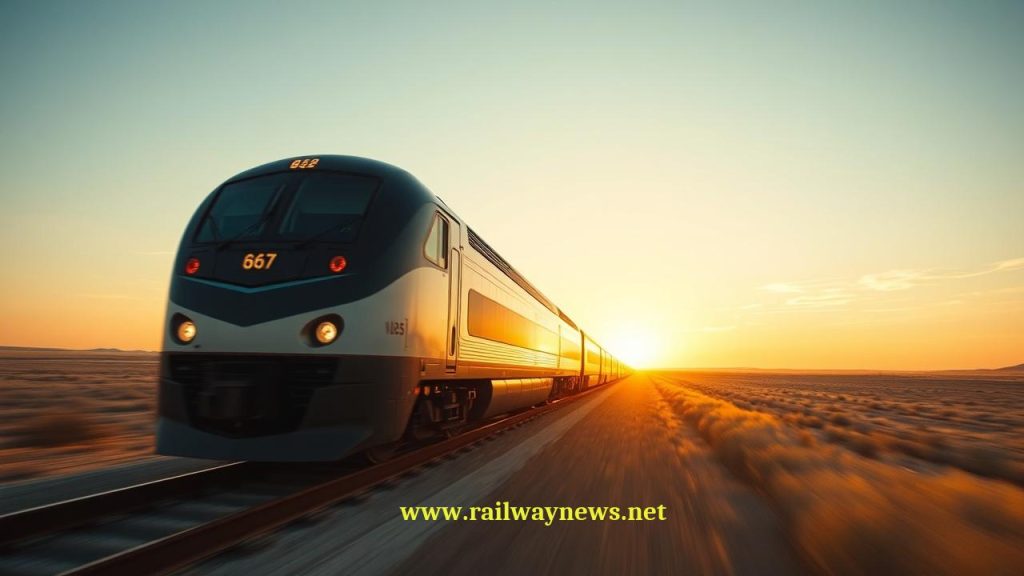
⚡ In Brief: US passenger operator Amtrak will standardize its entire long-distance fleet with new single-level trains, canceling its bi-level procurement to issue a new tender with first deliveries scheduled for the early 2030s.
WASHINGTON D.C. – Amtrak has revised its long-distance fleet replacement strategy, announcing on 27 February 2026 its decision to procure a single-level fleet for all routes. The operator will cancel its existing request for proposals for bi-level trains and issue a new tender for a standardized fleet. This move is designed to accelerate the replacement of rolling stock, some of which is over 40 years old, while reducing procurement risk.
What Does This Contract Cover?
The new procurement strategy covers the full replacement of Amtrak’s long-distance rolling stock, consolidating the current hybrid fleet of bi-level Superliner and single-level Viewliner cars into one universal platform. By standardizing, Amtrak aims to simplify maintenance, streamline crew training, and create a more resilient supply chain. The total number of vehicles to be procured and the overall contract value have not been disclosed.
Key Contract Data
| Parameter | Value |
|---|---|
| Contract Name | Long-Distance Fleet Replacement (Single-Level) |
| Total Value | Not disclosed |
| Parties Involved | Amtrak, Federal Railroad Administration (FRA) |
| Timeline / Completion | First deliveries targeted for the early 2030s |
| Country / Corridor | United States (Nationwide long-distance network) |
How Does This Compare to Similar Contracts?
This strategic pivot to a standardized fleet reflects a global trend of de-risking major transport procurements. The decision to cancel the more complex bi-level tender to attract a wider pool of suppliers echoes lessons from large-scale infrastructure projects, such as the UK’s HS2, where cost control has become a central issue for subsequent rail investments like Northern Powerhouse Rail (Source: Construction News, 2026). Internally, this program follows Amtrak’s ongoing fleet modernization, which includes the Siemens-built Airo trains for state-supported routes entering service in 2026 and the Alstom-built NextGen Acela fleet for the Northeast Corridor.
Editor’s Analysis
Amtrak’s decision prioritizes long-term operational and financial stability over maintaining the unique bi-level passenger experience on its western routes. This move aligns with a wider transport industry trend of simplifying supply chains and procurement processes in response to geopolitical and policy volatility (Source: Reuters, 2026). By standardizing its fleet, Amtrak is building a more resilient maintenance and parts ecosystem, insulating itself from the supply chain vulnerabilities associated with a niche, hybrid fleet.
FAQ
Q: Why is Amtrak replacing its bi-level Superliner trains?
A: Amtrak is standardizing its fleet to a single-level design to reduce operational complexity, simplify maintenance, and broaden competition among potential train manufacturers. The current Superliner fleet is over 40 years old and is nearing the end of its operational life.
Q: When will the new long-distance trains enter service?
A: The first new single-level long-distance cars are scheduled for introduction in the early 2030s. An exact date for the first service run has not been announced by Amtrak.
Q: Will this change affect passenger capacity on western routes?
A: Amtrak has not released specific details on the capacity of the new single-level cars or how train consists will be configured to match the capacity of the current bi-level Superliners. The operator has stated the goal is to deliver a more “consistent and accessible” customer experience across the network.

Railway infrastructure, rolling stock and transport technologies specialist focused on global rail industry developments, high-speed rail systems, signaling technologies and freight transportation. Covering railway investments, public transport modernization, rail operations and international mobility projects across Europe, Asia and North America.
RELATED POSTS

October 1, 2026 7:09 am
United States regulators confirmed a September 30 deadline for the...

October 1, 2026 12:13 am
Illinois approved $1.5 billion annually for the Northern Illinois Transit...

October 1, 2026 6:10 am
Amtrak approved a System Expansion Committee on July 30 to...

October 4, 2026 5:14 pm
Alstom secured a CA$4.7 billion order from VIA Rail Canada...
October 1, 2026 4:10 am
DART launched two public ridership dashboards in March 2026 to...
October 1, 2026 3:12 am
Greenbrier confirmed Brian Comstock as new president and CEO effective...