
TfL Secures £2.2B Funding with March 2026 Fare Rise London
TfL secured a GBP 2.2 billion UK government funding agreement, increasing London rail fares from March 1, 2026, for network modernization.
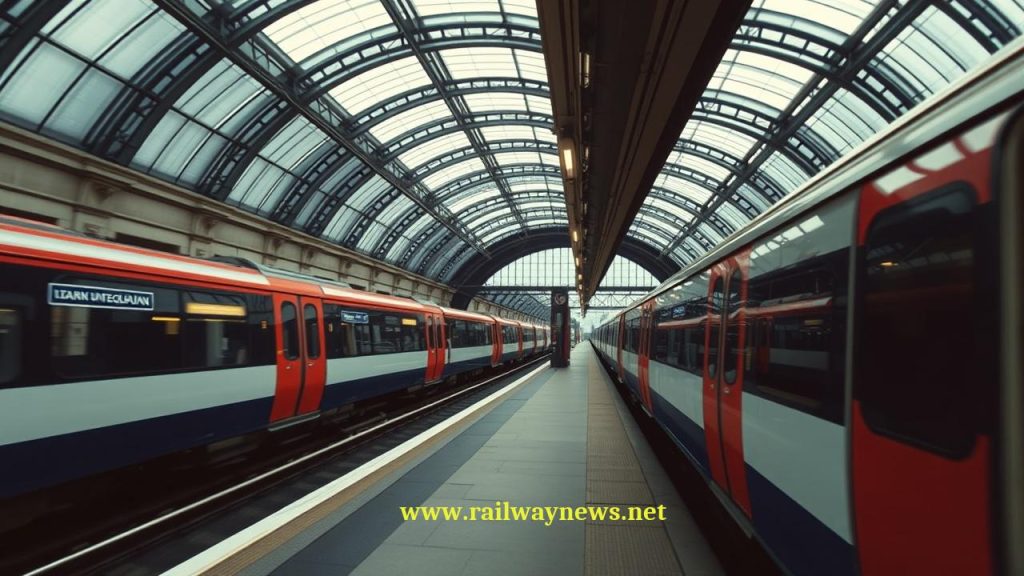
⚡ In Brief: Transport for London will increase Underground and urban rail fares from March 1, 2026, as part of a GBP 2.2 billion government funding agreement to finance network modernization, with most pay-as-you-go journeys rising by 10-20 pence.
LONDON, UK – From March 1, 2026, passengers on London’s Underground and urban rail services will face higher fares as Transport for London (TfL) implements increases mandated by its multi-year funding agreement with the UK government. The policy, designed to raise revenue for capital investments, will see fares rise annually by the Retail Price Index (RPI) plus one percentage point. However, bus and tram fares will remain frozen at GBP 1.75 until July 2026.
What Does This Regulation Cover?
The fare adjustment is a condition of the GBP 2.2 billion funding deal agreed between TfL and the government in 2025. While most individual pay-as-you-go journeys in zones 1–6 will increase by approximately 10 to 20 pence, the Elizabeth line fare from Zone 1 to Heathrow Airport will see a more significant rise from GBP 13.90 to GBP 15.50. To mitigate the impact on regular commuters, Travelcard prices will be held at current levels until March 2027. Revenue generated is explicitly allocated for network modernization projects, including rolling stock replacement and signalling upgrades.
Key Regulatory Data
| Parameter | Value |
|---|---|
| Regulation / Policy Name | TfL Fare Increase (March 2026) |
| Total Value | Part of a GBP 2.2 billion multi-year funding agreement |
| Parties Involved | Transport for London (TfL), UK Government |
| Timeline / Completion | Effective March 1, 2026; bus fare freeze until July 5, 2026 |
| Country / Corridor | London, United Kingdom |
How Does This Compare to Global Standards?
London’s strategy of using regulated fare increases to fund capital projects contrasts with financing models in other major markets. In Portugal, a more direct capital injection approach was used when Comboios de Portugal placed a €1.03 billion order with Alstom for 153 new trains in 2025, the country’s largest-ever train acquisition, funded to directly modernize its fleet (Source: The Manila Times, 2026). Conversely, some US projects demonstrate the risks of insufficient funding frameworks; in Seattle, Sound Transit’s ST3 light-rail program is facing significant budget deficits and cost overruns on its $1 billion work package, highlighting the challenges of financing large-scale urban rail expansion without a stable, long-term revenue mechanism like London’s (Source: Construction Dive, 2026). The specific annual revenue expected from TfL’s fare increase was not disclosed.
Editor’s Analysis
This fare adjustment solidifies a direct link between user fees and long-term capital investment, a cornerstone of the UK’s current infrastructure strategy. By embedding fare rises into its government funding deal, TfL gains a predictable revenue stream for modernization, a model intended to provide the financial certainty that suppliers need, as envisioned with the new Great British Railways framework (Source: Railway Pro, 2026). This structured approach aims to avoid the project-threatening budget shortfalls seen in some large-scale US transit programs while differing from the large, state-backed fleet procurement deals common in mainland Europe.
FAQ
Q: Which London transport fares are increasing in 2026?
A: Fares are increasing for the London Underground and other urban rail services, including the Elizabeth line. Fares for buses and trams will remain frozen until July 5, 2026.
Q: How much will the Elizabeth line fare to Heathrow Airport increase?
A: The pay-as-you-go fare for a journey from Zone 1 to Heathrow Airport on the Elizabeth line will increase from GBP 13.90 to GBP 15.50. This remains below the price of the Heathrow Express service.
Q: Why is TfL increasing fares?
A: The increases are a condition of a GBP 2.2 billion funding agreement with the UK government. The additional revenue is designated for investment in network modernization, new rolling stock, and signalling system upgrades.

Railway infrastructure, rolling stock and transport technologies specialist focused on global rail industry developments, high-speed rail systems, signaling technologies and freight transportation. Covering railway investments, public transport modernization, rail operations and international mobility projects across Europe, Asia and North America.
RELATED POSTS
September 6, 2026 5:19 am
Hitachi delivered Taiwan's first N700ST high-speed train from Japan in...

September 5, 2026 4:19 pm
CPK launched formal tender talks with four consortia to design...

September 5, 2026 7:14 pm
HS2 Ltd signed renegotiated civils contracts with EKFB and Align...

September 6, 2026 4:12 am
Alstom delivered the first of 100 new G Class trams...
September 6, 2026 6:17 am
Hungary ordered a national ban on most freight trains from...
September 6, 2026 1:17 am
Hitachi Toshiba Supreme Consortium confirmed the first of 12 N700ST...