
India Opens 82 km Delhi-Meerut RRTS Corridor
India inaugurated its 82 km Delhi-Meerut RRTS corridor on March 13, 2026, establishing the nation’s first regional rapid transit system.
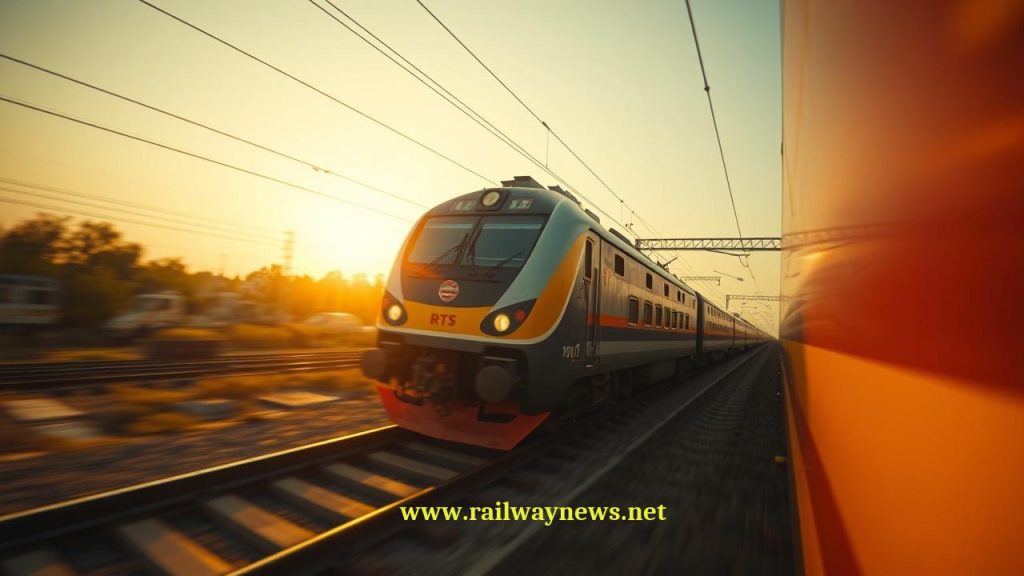
⚡ In Brief: India’s Prime Minister Narendra Modi inaugurated the country’s first Regional Rapid Transit System, the 82 km Delhi–Meerut corridor, on March 13, 2026, as part of a multi-corridor plan for the National Capital Region.
NEW DELHI, INDIA – Prime Minister Narendra Modi inaugurated the 82 km Delhi–Meerut corridor, India’s first regional rapid transit system (RRTS), on March 13, 2026. The new line, operated by ‘Namo Bharat’ trains, is the first of eight planned RRTS corridors designed to improve connectivity across the National Capital Region (NCR). The project also includes integration with the newly launched Meerut Metro network.
What Is the Full Scope of This Project?
The Delhi–Meerut corridor is an 82-kilometre line featuring 16 stations that connects Delhi with Ghaziabad and Meerut in the state of Uttar Pradesh. The project is a core component of the NCR 2032 Integrated Transport Plan, which aims to connect regional centres with high-speed rail. The first phase of this plan includes two additional corridors, Delhi–Panipat and Delhi–Alwar, while a further five corridors are planned for future development.
Key Project Data
| Parameter | Value |
|---|---|
| Project / Contract Name | Delhi–Meerut Regional Rapid Transit System (RRTS) |
| Total Value | Not disclosed |
| Parties Involved | Government of India, National Capital Region Transport Corporation, Alstom (train supplier) |
| Timeline / Completion | Inaugurated March 13, 2026 (first section) |
| Country / Corridor | India / National Capital Region (Delhi-Meerut) |
How Does This Compare to Similar Projects?
The rolling stock for this corridor consists of 30 six-car RRTS trains and 10 three-car metro trains supplied by Alstom under a 2020 contract. While the value of this specific Indian contract was not disclosed, its scale can be contextualized by other recent Alstom orders. In March 2026, Alstom secured a €1.03 billion contract to supply 153 trains to Comboios de Portugal, marking the largest train acquisition in that country’s history (Source: Alstom SA, 2026). The Indian order of 40 trainsets is significant for the region but represents a smaller fleet size compared to the major national-level fleet replacement in Portugal.
Editor’s Analysis
The inauguration of the Delhi-Meerut line is a critical milestone in India’s strategy to develop high-speed regional connectivity and address urban congestion. This project aligns with a broader trend of significant international investment into India’s rail manufacturing ecosystem. For instance, ABB recently announced a $75 million investment to expand its Indian manufacturing and R&D capabilities, specifically targeting components for metro and high-speed rail, indicating that suppliers are building local capacity to support the country’s long-term infrastructure pipeline (Source: Energetica India, 2026).
FAQ
Q: What is the operating speed of the Namo Bharat train?
A: The trains have a design speed of 180 km/h and an operational speed of 160 km/h. They are scheduled to run at a frequency of every 15 minutes on the Delhi-Meerut corridor.
Q: How many trains were part of the Alstom contract for this project?
A: Alstom’s 2020 contract included the delivery of 30 six-car trains for the RRTS network and 10 three-car trains for the integrated Meerut Metro system, for a total of 40 trains.
Q: Is this the only rapid rail corridor planned for the Delhi region?
A: No, the Delhi-Meerut line is the first of eight RRTS corridors planned for the National Capital Region. The next two corridors to be developed in the first phase are Delhi–Panipat and Delhi–Alwar.

Railway infrastructure, rolling stock and transport technologies specialist focused on global rail industry developments, high-speed rail systems, signaling technologies and freight transportation. Covering railway investments, public transport modernization, rail operations and international mobility projects across Europe, Asia and North America.