
Hitachi Rail Completes L90-5 Electronic Interlocking Hove Norway
Hitachi Rail commissioned one L90-5 electronic interlocking system in Hove, Norway, digitizing Bane NOR’s Dovre Line assets.
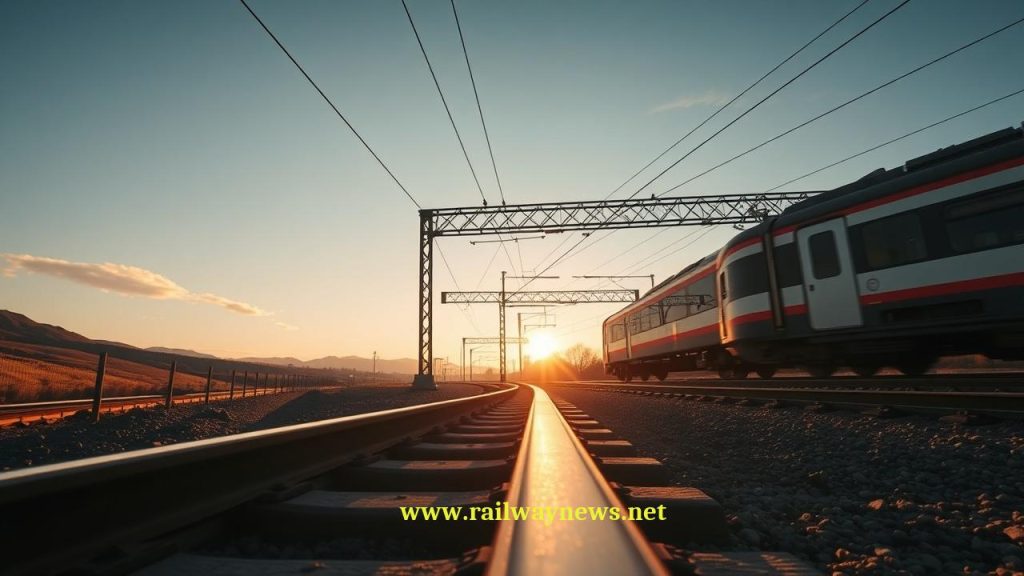
⚡ In Brief: Hitachi Rail and Norwegian infrastructure manager Bane NOR have commissioned an L90-5 electronic interlocking system in Hove, on the Dovre Line, to digitize rail asset management and improve operational efficiency for passenger services near Lillehammer.
OSLO, NORWAY – Hitachi Rail and Bane NOR have commissioned a new L90-5 electronic interlocking system at the Hove stabling facility on Norway’s Dovre Line. The project, completed on schedule, digitizes the control of signals, points, and level crossings. This installation aims to increase service capacity and support more efficient maintenance operations.
What Is the Full Scope of This Project?
The project entails the full implementation of Hitachi Rail’s L90-5 electronic interlocking technology to manage a key stabling facility near Lillehammer. This system provides a digital foundation for controlling train movements, intended to improve operational resilience and performance on the line. The total contract value and the specific number of assets (signals, points) integrated into the system were not disclosed.
Key Project Data
| Parameter | Value |
|---|---|
| Project / Contract Name | Hove Electronic Interlocking Commissioning |
| Total Value | Not disclosed |
| Parties Involved | Hitachi Rail (supplier), Bane NOR (operator) |
| Timeline / Completion | Commissioned on schedule; specific date not provided |
| Country / Corridor | Norway / Dovre Line (Hove, near Lillehammer) |
How Does This Compare to Similar Projects?
This mainline signaling modernization aligns with a broader industry trend of digitizing rail-related operations, though applications vary in scope. While Bane NOR’s project focuses on public transport infrastructure, South Korea’s SK Group is pursuing a similar technological path in the industrial sector by integrating AI into its factory rail systems to advance autonomous manufacturing. This shows how digital control and automation principles are being applied in both public and private rail logistics to enhance efficiency (Source: TheElec, 2024). Comparable procurement data for signaling projects on this specific Norwegian corridor was not publicly available at time of publication.
Editor’s Analysis
The successful on-time delivery of the Hove interlocking system demonstrates Bane NOR’s steady progress in its national infrastructure modernization program. However, the financial climate for future large-scale projects may tighten. The Norwegian government recently trimmed its non-oil GDP forecast for 2026 to 1.8%, down from a 2.1% prediction, suggesting a more cautious economic outlook that could influence the pace of capital-intensive infrastructure spending (Source: Reuters, 2024). Projects will likely require a stronger business case focused on immediate efficiency gains and reliability improvements.
FAQ
Q: What is an L90-5 electronic interlocking system?
A: The L90-5 is a digital signaling technology developed by Hitachi Rail that safely manages train movements by controlling trackside equipment like points and signals. It replaces older electromechanical systems, allowing for greater operational flexibility and easier maintenance.
Q: What was the total cost of this signaling upgrade in Hove?
A: The total contract value for this specific project was not publicly disclosed by either Hitachi Rail or Bane NOR. Individual signaling upgrades are often part of larger, long-term framework agreements whose component costs are not itemized.
Q: How does this project impact passengers on the Dovre Line?
A: By modernizing the stabling facility’s control system, Bane NOR expects to increase capacity and improve the reliability of services running through the Lillehammer area. This is intended to contribute to more punctual and dependable journeys for passengers on the line.

Railway infrastructure, rolling stock and transport technologies specialist focused on global rail industry developments, high-speed rail systems, signaling technologies and freight transportation. Covering railway investments, public transport modernization, rail operations and international mobility projects across Europe, Asia and North America.
RELATED POSTS
September 6, 2026 5:19 am
Hitachi delivered Taiwan's first N700ST high-speed train from Japan in...

September 5, 2026 4:19 pm
CPK launched formal tender talks with four consortia to design...
September 6, 2026 6:17 am
Hungary ordered a national ban on most freight trains from...
September 6, 2026 1:17 am
Hitachi Toshiba Supreme Consortium confirmed the first of 12 N700ST...
September 5, 2026 6:17 pm
Universal Signalling won a deal to install its U-Cross system...
September 6, 2026 8:17 am
DB InfraGO reopened the Nuremberg-Regensburg line in Bavaria on 31...