
Siemens Nanjing Reports 14% Productivity Increase, 78% Lead Time Cut
Siemens’ Nanjing plant achieved a 14% productivity increase and 78% lead time reduction using 50 AI applications and a digital twin.
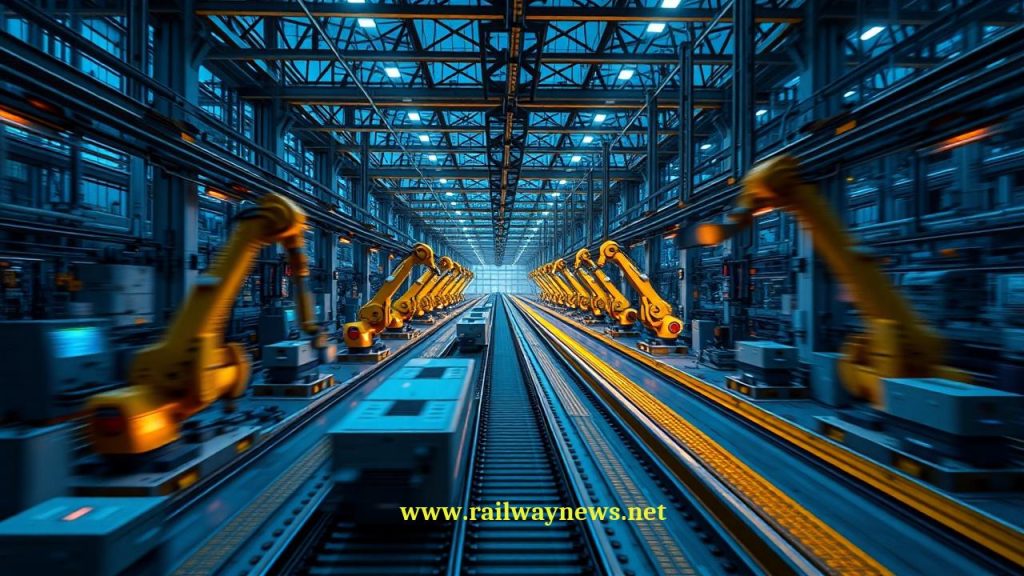
The World Economic Forum has added the Siemens facility in Nanjing, China, to its Global Lighthouse Network. The designation recognizes the plant’s use of a “digital native” production model, where all operational processes were simulated and optimized in a virtual environment prior to the physical construction of the site.
The Nanjing operation utilizes more than 50 artificial intelligence applications and a detailed digital twin to manage the high-variety, low-volume manufacturing of controls for machine tools, drives, and electric motors. This digital infrastructure was developed to address a required compression of customer delivery windows from 45 days to 10 days.
For the creation of its virtual models, the facility employs Siemens’ Digital Twin Composer software, which incorporates libraries from technology partner Nvidia’s Omniverse platform. This system enables real-time, photorealistic simulation of the entire production line, from component assembly to final output.
Operational data from the plant indicates a 14% increase in productivity and a 78% reduction in lead times compared to 2022 benchmarks. The implementation of the digital-first strategy also resulted in a 33% decrease in product time-to-market for new industrial controls manufactured at the site.
In addition to production metrics, the Nanjing factory reported a 46% reduction in field failures of its products. The facility also recorded a 28% decrease in direct and energy-related CO2 emissions, aligning with documented sustainability targets.

Railway infrastructure, rolling stock and transport technologies specialist focused on global rail industry developments, high-speed rail systems, signaling technologies and freight transportation. Covering railway investments, public transport modernization, rail operations and international mobility projects across Europe, Asia and North America.
RELATED POSTS

October 8, 2026 1:15 pm
Alstom secured a €1bn contract to build 13 automated trains,...

October 1, 2026 7:09 am
United States regulators confirmed a September 30 deadline for the...

October 8, 2026 12:18 pm
Siemens Mobility signed an agreement with VinSpeed to supply 350...

October 4, 2026 5:14 pm
Alstom secured a CA$4.7 billion order from VIA Rail Canada...

October 5, 2026 6:12 pm
AECOM and Jacobs secured a contract in September 2026 to...

October 1, 2026 12:13 am
Illinois approved $1.5 billion annually for the Northern Illinois Transit...