
Alstom Secures C$2.3B TTC Contract For 70 Trains
Alstom awarded C$2.3 billion contract by Toronto Transit Commission for 70 six-car subway trains. Siemens delivers 7 locomotives to SFRTA.
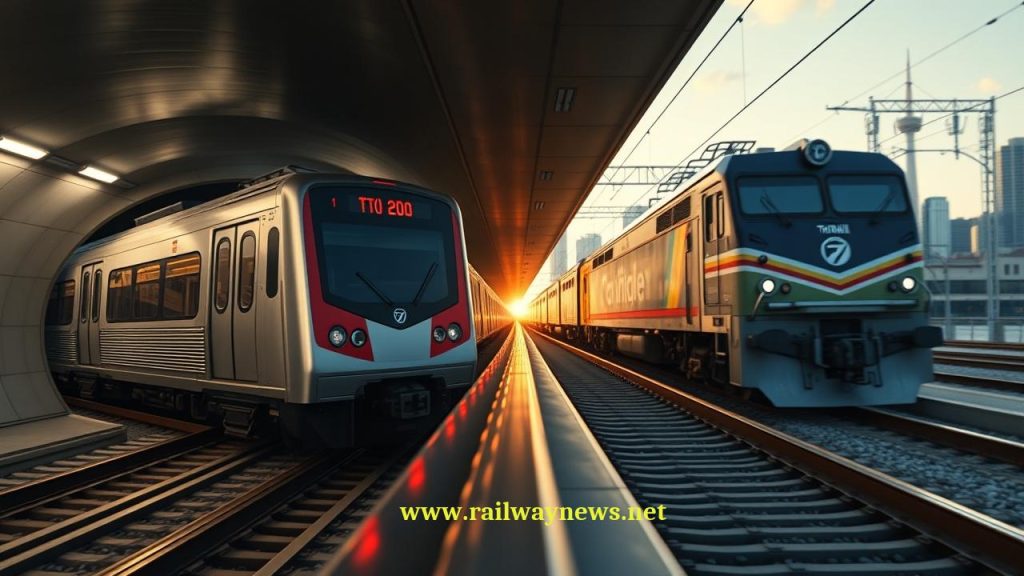
Alstom has been awarded a contract by the Toronto Transit Commission (TTC) valued at C$2.3 billion for the supply of 70 six-car subway trains. The vehicles will be assembled at the company’s facility in Thunder Bay, Ontario, with testing to be conducted in Kingston, Ontario. The scope of the agreement includes options for the procurement of up to 150 additional trainsets.
The initial order of 70 trains is allocated for specific network requirements. A total of 55 trainsets are designated to replace the existing fleet on the Bloor-Danforth Line 2. The remaining 15 units are intended to support service on the future Line 1 Yonge North and Line 2 Scarborough extensions. All design and engineering work for the new fleet will be performed in Canada.
In a separate procurement, the South Florida Regional Transportation Authority (SFRTA) has contracted Siemens Mobility to deliver seven Charger diesel-electric locomotives. These units will be manufactured at the Siemens facility in Sacramento, California. The locomotives are scheduled to enter service for the Tri-Rail commuter network in 2029.
The acquisition by SFRTA is intended to replace six of its EMD GP49 locomotives. The new Charger units are required to meet operational compliance for full service access into MiamiCentral Station. This fleet addition addresses the technical prerequisites for operating within the downtown Miami rail corridor.

Railway infrastructure, rolling stock and transport technologies specialist focused on global rail industry developments, high-speed rail systems, signaling technologies and freight transportation. Covering railway investments, public transport modernization, rail operations and international mobility projects across Europe, Asia and North America.
RELATED POSTS

October 1, 2026 7:09 am
United States regulators confirmed a September 30 deadline for the...

October 8, 2026 1:15 pm
Alstom secured a €1bn contract to build 13 automated trains,...

October 4, 2026 5:14 pm
Alstom secured a CA$4.7 billion order from VIA Rail Canada...

October 1, 2026 12:13 am
Illinois approved $1.5 billion annually for the Northern Illinois Transit...

October 6, 2026 2:14 am
Union Pacific launched export rail shipments with Ferromex to deliver...

October 1, 2026 6:10 am
Amtrak approved a System Expansion Committee on July 30 to...