
Amtrak & NJ Transit: Service Cuts for Portal Bridge Cutover
Major service disruptions are coming! The Portal North Bridge cutover will reduce train service by 53% from February 15 to March 15, impacting Amtrak and NJ Transit.
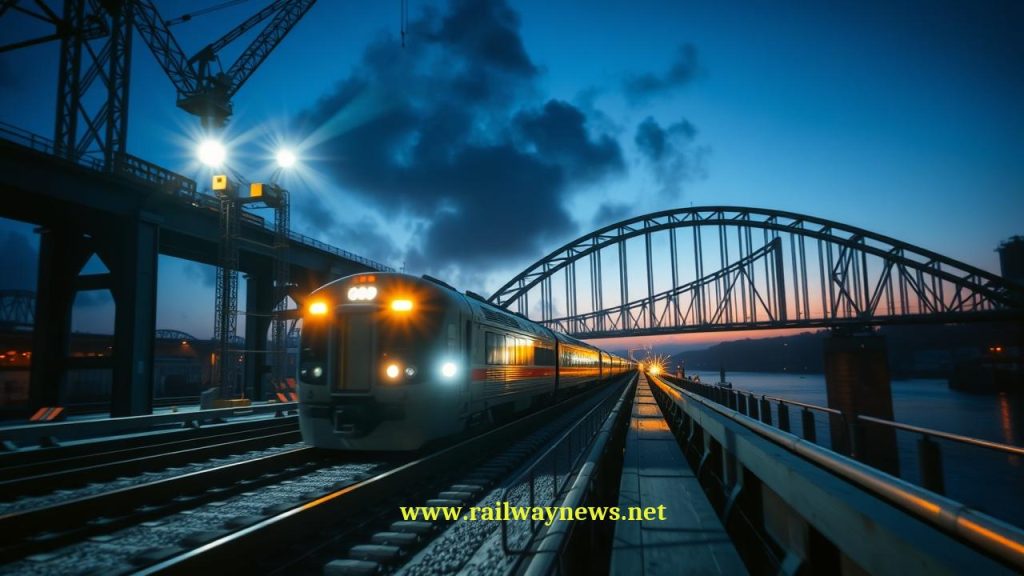
NEWARK, NJ — Amtrak and NJ Transit are bracing for a month of significant service disruptions on the Northeast Corridor as engineers begin the critical final phase of connecting the new Portal North Bridge. The complex track “cutover” process, starting February 13, will temporarily reduce train service by 53%, affecting hundreds of daily trains as one of two tracks is transferred from the failure-prone 114-year-old Portal Bridge to its modern replacement.
| Category | Details |
|---|---|
| Project | Portal North Bridge Track Cutover (Phase 1) |
| Location | Hackensack River, New Jersey (Northeast Corridor) |
| Operators | Amtrak, NJ Transit |
| Key Dates | Cutover begins Feb. 13; Service impacts Feb. 15 – Mar. 15 |
| Service Impact | 53% reduction; affects 280 Amtrak & 332 NJ Transit trains |
| Parent Program | Gateway Program |
Main Body:
In a long-awaited milestone for the Gateway Program, Amtrak will initiate the transfer of the first service track from the century-old Portal Bridge to the new Portal North Bridge on February 13. This crucial operation over the Hackensack River marks the beginning of the end for one of the most notorious bottlenecks in the American passenger rail system. To accommodate the complex engineering work, NJ Transit has announced that from February 15 to March 15, all its rail lines, except the Atlantic City Rail Line, will operate on modified schedules, which include train consolidations, cancellations, and adjusted stopping patterns for services into and out of New York Penn Station.
The four-week cutover period will see a dramatic 53% reduction in overall train service through the corridor to ensure a safe and efficient transition. The schedule modifications will impact a total of 280 Amtrak trains and 332 NJ Transit trains across five rail lines. Specifically, NJ Transit’s weekday Northeast Corridor service will be reduced from 133 to 112 trains. This operation is the first of two major cutovers; a similar shutdown will be required in late summer or early fall 2026 to connect the second and final track, fully commissioning the new bridge and retiring the old structure for good.
The existing two-track swing bridge, built in 1910, is the busiest rail bridge in the United States and has become a persistent source of severe delays for the hundreds of Amtrak and NJ Transit trains that cross it daily. Its aging mechanical components often fail to lock back into place after opening for marine traffic, creating a chokepoint with cascading delays throughout the Northeast Corridor. The new Portal North Bridge is a modern, high-level fixed span that will eliminate the need for a movable structure, thereby enhancing reliability and allowing for increased speeds, a key objective of the multi-billion-dollar Gateway Program aimed at doubling rail capacity between Newark and New York City.
Key Takeaways
- Major Service Disruptions: Commuters face a month of significant schedule changes, with a 53% reduction in train traffic affecting both Amtrak and NJ Transit services on the Northeast Corridor.
- Gateway Program Milestone: The track cutover is a critical step in the larger Gateway Program, designed to modernize and expand the most vital passenger rail corridor in the U.S.
- End of a Bottleneck: This project begins the final process of retiring the 114-year-old swing bridge, a primary source of delays, and replacing it with a modern, reliable fixed structure.
Editor’s Analysis
The Portal North Bridge cutover is more than a regional infrastructure update; it’s a litmus test for modernizing legacy rail systems across the globe. The temporary but severe service disruptions highlight the immense challenge of performing major surgery on a vital, high-capacity artery while it remains operational. For the global rail industry, this project underscores the critical need for long-term capital investment to replace aging assets before they become catastrophic points of failure. The success of this transition will serve as a powerful case study in project management, inter-agency coordination (between Amtrak and NJ Transit), and customer communication during periods of essential disruption, offering valuable lessons for authorities in Europe and Asia facing similar infrastructure renewal challenges.
Frequently Asked Questions
- Why is this construction work necessary?
- The work is required to transfer rail operations from the unreliable, 114-year-old Portal Bridge to the new, modern Portal North Bridge. The old bridge is a major chokepoint and a primary source of delays for train travel between New Jersey and New York City.
- How long will the primary service disruptions last?
- The most significant service impacts, including schedule modifications and cancellations, are scheduled to last for approximately four weeks, from February 15 to March 15.
- Will this complete the Portal North Bridge project?
- No. This procedure connects the first of two tracks. A second cutover period, with similar service disruptions, will be required later in 2026 to connect the final track and fully bring the new bridge into service.

Railway infrastructure, rolling stock and transport technologies specialist focused on global rail industry developments, high-speed rail systems, signaling technologies and freight transportation. Covering railway investments, public transport modernization, rail operations and international mobility projects across Europe, Asia and North America.
RELATED POSTS
September 6, 2026 5:19 am
Hitachi delivered Taiwan's first N700ST high-speed train from Japan in...

September 5, 2026 4:19 pm
CPK launched formal tender talks with four consortia to design...

September 5, 2026 7:14 pm
HS2 Ltd signed renegotiated civils contracts with EKFB and Align...

September 6, 2026 4:12 am
Alstom delivered the first of 100 new G Class trams...
September 6, 2026 6:17 am
Hungary ordered a national ban on most freight trains from...
September 6, 2026 1:17 am
Hitachi Toshiba Supreme Consortium confirmed the first of 12 N700ST...