
Greece Orders €420M Hellenic Train Upgrade After Disaster
Greece mandates Hellenic Train’s €420M investment in new trains and infrastructure by 2027, a decisive move to overhaul safety after the Larissa disaster.
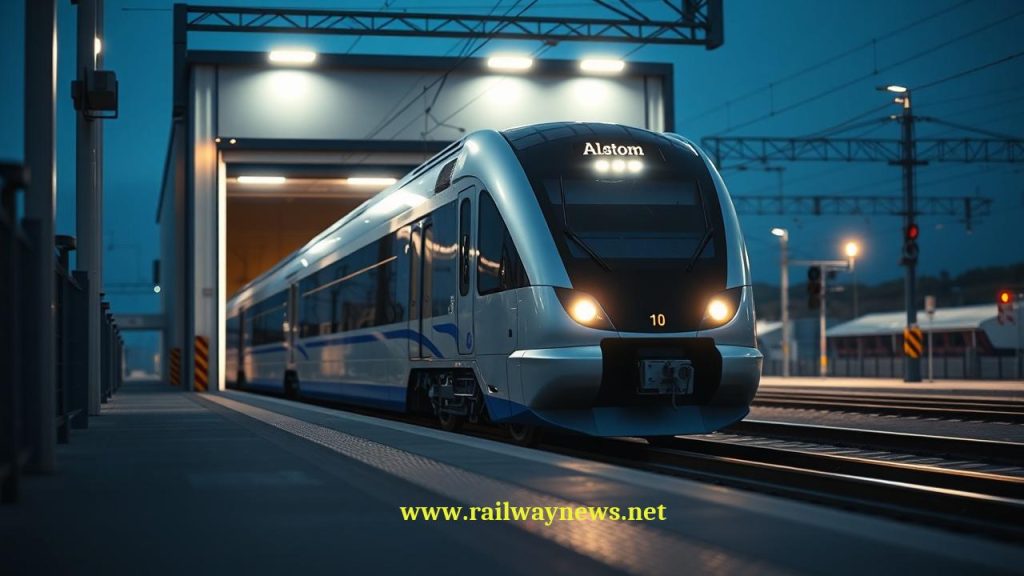
ATHENS – The Greek government has mandated a €420 million investment in new rolling stock and maintenance infrastructure from operator Hellenic Train, marking a decisive and legally binding response to the nation’s deadliest rail disaster. This move, enforced through a revised public service contract with a strict 2027 deadline, comes nearly three years after the Larissa train collision and reflects a global urgency to bolster railway safety through technology and stringent oversight.
| Category | Details |
|---|---|
| Total Mandated Investment | EUR 420 Million |
| Operator | Hellenic Train (Subsidiary of Ferrovie dello Stato, Italy) |
| New Rolling Stock | EUR 308 Million for new electric trains from Alstom |
| Infrastructure & Digital Systems | Approx. EUR 100 Million for maintenance depots and digital upgrades |
| Critical Deadline | Delivery and commissioning of all new trains by 2027 |
| Key Contractual Change | Introduction of a state termination clause for non-compliance |
In a landmark decision approved by the Greek Parliament, the Ministry of Transport has amended its 2017 public service contract with Hellenic Train, compelling the Ferrovie dello Stato-owned operator to fund a sweeping modernization program. The move is a direct consequence of the February 28, 2023, head-on collision near Larissa, where a passenger train and a freight train crashed, killing 57 people and exposing severe deficiencies in the national rail network’s safety systems. For the first time, the contract includes a potent termination clause, empowering the Greek state to cancel the agreement if Hellenic Train fails to deliver and commission the new fleet by its 2027 deadline.
The investment package allocates €308 million for the acquisition of new electric trains from manufacturer Alstom. These units will be equipped with modern safety features, including systems for remote communication between drivers and control centers and remote brake control capabilities—technologies central to a long-delayed, EU co-financed safety project. The remaining portion, approximately €100 million, is earmarked for critical upgrades to maintenance infrastructure, depots, and the integration of advanced digital systems. This investment in ground infrastructure is vital for supporting the new fleet and could pave the way for implementing AI-powered predictive maintenance tools, such as automated track defect detection systems, which are becoming the global standard for enhancing operational safety and efficiency.
Greece’s decisive action unfolds against a backdrop of heightened global scrutiny on railway safety. Recent catastrophic incidents, such as a construction crane collapse onto a moving train in Thailand that killed over 30 people, serve as stark reminders of the multifaceted risks facing rail networks. These events underscore the universal need for robust infrastructure investment and stringent safety protocols to prevent tragedies. The Greek mandate on Hellenic Train, part of a broader €760 million railway cooperation agreement between Greece and Italy, signals a shift from reactive measures to proactive, legally enforceable modernization aimed at rebuilding public trust and preventing future disasters.
Key Takeaways
- Binding Deadline with Consequences: Hellenic Train is now contractually obligated to deliver a new fleet by 2027 or risk the termination of its public service contract, a significant increase in state oversight.
- Detailed Modernization: The €420 million is strategically divided between advanced Alstom rolling stock (€308M) and essential ground infrastructure, including maintenance depots and digital safety systems (~€100M).
- Direct Response to Tragedy: The investment is a direct and definitive action by the Greek government to address the systemic safety failures revealed by the 2023 Larissa train collision, which is set for a criminal trial this year.
Editor’s Analysis
This development in Greece is more than a national story; it is a case study in regulatory enforcement for the global rail industry. The Greek government’s move to embed a termination clause into a public service contract sets a powerful precedent, transforming operator obligations from promises into high-stakes deliverables. It demonstrates a paradigm shift where governments, spurred by public pressure and tragedy, are no longer willing to tolerate indefinite delays in the implementation of critical safety systems. For the wider market, this signals that investment in modern, digitally-integrated rolling stock and AI-driven predictive maintenance is rapidly moving from a competitive advantage to a non-negotiable license to operate. This could inspire other transport authorities to re-evaluate their own contracts and enforce stricter, technology-focused safety mandates on their rail operators.
Frequently Asked Questions
Why is Hellenic Train being forced to make this €420 million investment?
The investment is a mandatory measure imposed by the Greek government to significantly upgrade railway safety following the catastrophic 2023 Larissa train collision, which killed 57 people and revealed major safety deficiencies in the network.
What is the most significant change in the new contract between Greece and Hellenic Train?
The most significant change is the introduction of a termination clause. This gives the Greek state the legal power to terminate the public service contract if Hellenic Train fails to deliver and put the new trains into service by the 2027 deadline.
What kind of new trains and systems are being purchased?
Hellenic Train will purchase new electric trains from Alstom for €308 million. These trains will be equipped with modern safety technology, including systems for remote communication with dispatchers and remote control of brakes. The remaining €100 million will be invested in maintenance facilities and digital systems.

Railway infrastructure, rolling stock and transport technologies specialist focused on global rail industry developments, high-speed rail systems, signaling technologies and freight transportation. Covering railway investments, public transport modernization, rail operations and international mobility projects across Europe, Asia and North America.
RELATED POSTS

October 4, 2026 5:14 pm
Alstom secured a CA$4.7 billion order from VIA Rail Canada...

October 5, 2026 6:12 pm
AECOM and Jacobs secured a contract in September 2026 to...

October 4, 2026 11:08 pm
Sound Transit confirmed the September 30 opening of Seattle Pinehurst...
October 6, 2026 9:17 am
Illinois approved $1.1M in state funds to upgrade two McHenry...
October 6, 2026 12:16 am
FTA awarded $233 million in grants to eight US rail...

October 5, 2026 3:13 pm
DART launched a 90-day fare enforcement pilot across 5 light-rail...