
Baltimore Metro: New Trains Arrive, Signaling Upgrade Begins
Baltimore Metro SubwayLink unveils new trains, part of a $400.5M modernization. This upgrade of 1983-era infrastructure boosts capacity and reliability for commuters.
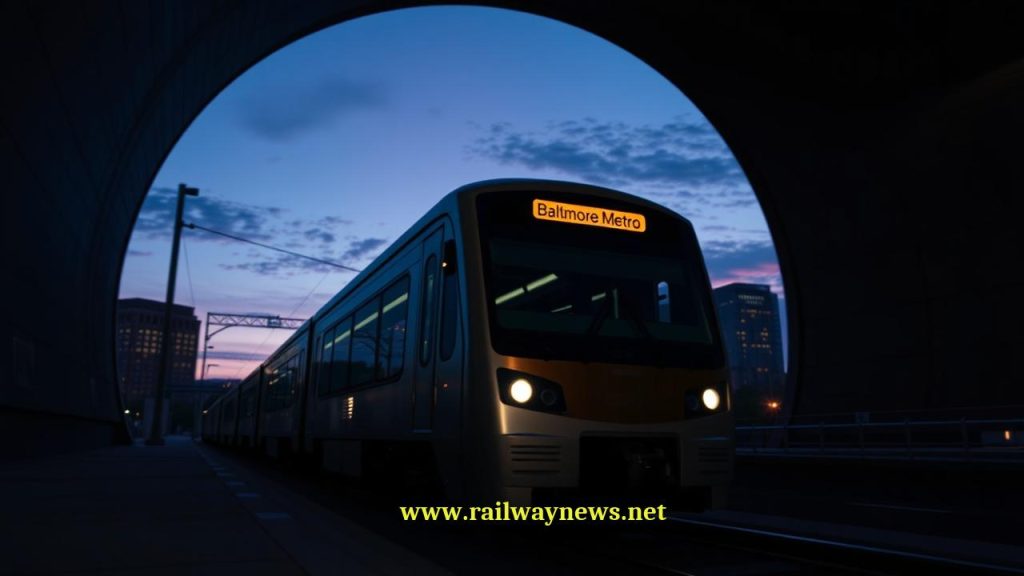
BALTIMORE, USA – The Baltimore Metro SubwayLink has marked a critical milestone in its detailed modernization program with the delivery of the first new-generation subway cars, part of a USD 400.5 million project to replace a fleet and control system that has been in service since 1983. This long-overdue upgrade reflects a broader national trend of overhauling critical 1980s-era infrastructure, mirrored by similar multi-billion dollar federal initiatives in the aviation sector.
| Category | Details |
|---|---|
| Project | Baltimore Metro SubwayLink Fleet & Signaling Modernization |
| Contract Value | USD 400.5 Million |
| Vehicle Order | 78 new subway cars (12 delivered to date) |
| Core Technology | SelTrac Communication-Based Train Control (CBTC) |
| Legacy System Vintage | 1983 |
The delivery of the new rolling stock represents the first tangible step for commuters in a modernization effort initiated with a contract award in 2017. The agreement covers the supply of 78 new subway cars, with 12 units now on-site. This initiative is set to overhaul an infrastructure where both the trains and the core signaling systems have remained largely unchanged for four decades, leading to increasing maintenance challenges and operational constraints.
At the heart of the upgrade is the implementation of the SelTrac Communication-Based Train Control (CBTC) system. This advanced, data-driven signaling technology enables a significant increase in network capacity and performance by allowing for shorter headways between trains. Each new bidirectional trainset consists of two stainless steel cars, collectively offering 76 seats and a total capacity of 196 passengers. Designed for a 30-year life cycle and intensive urban operation, the vehicles are rated for an average of 80,000 miles (approx. 130,000 km) per year. The fleet is being manufactured at a 28,500 m² carbon-neutral facility capable of producing up to 20 cars per month.
The Baltimore project is emblematic of a wider, pressing need across the United States to modernize critical transportation infrastructure dating from the same era. This trend is highlighted by the Federal Aviation Administration’s (FAA) recent selection of two firms to replace 612 outdated radar systems, many of which also date back to the 1980s. That multi-billion dollar overhaul, set for completion by 2028, aims to simplify maintenance and improve system resilience—goals that directly parallel the objectives of the Baltimore Metro’s CBTC integration and fleet replacement.
Key Takeaways
- The project replaces a 40-year-old fleet and control system, marking a significant leap in technology and reliability for Baltimore’s transit network.
- Implementation of SelTrac CBTC will enhance operational flexibility, increase service capacity, and reduce long-term life cycle costs.
- This USD 400.5 million investment is part of a larger national pattern of replacing essential 1980s-era infrastructure to meet modern demands.
Editor’s Analysis
The modernization of the Baltimore Metro SubwayLink is more than a local infrastructure story; it’s a blueprint for other legacy transit systems globally, particularly in North America and Western Europe. Many of these networks are grappling with the consequences of underinvestment and are operating with signaling and rolling stock from the 1970s and 80s. This project demonstrates a clear and replicable path forward, showcasing the compelling business case for investing in CBTC to unlock latent capacity and drastically improve service quality without the prohibitive cost of building new lines. As cities worldwide seek to increase public transport ridership, the Baltimore model will serve as a crucial case study for securing funding and public support for similar vital upgrades.
Frequently Asked Questions
- What is the total value and scope of the Baltimore subway contract?
- The contract, awarded in 2017, is valued at USD 400.5 million and includes the delivery of 78 new subway cars and the implementation of a new CBTC signaling system.
- What is the key technology being implemented in the new trains?
- The new trains are equipped with the SelTrac Communication-Based Train Control (CBTC) system, a modern signaling technology that allows for increased capacity, improved performance, and more flexible network operations.
- How old are the trains and control systems being replaced?
- The existing fleet and control systems have been in continuous operation and have not been significantly updated since the line first opened in 1983, making them over 40 years old.

Railway infrastructure, rolling stock and transport technologies specialist focused on global rail industry developments, high-speed rail systems, signaling technologies and freight transportation. Covering railway investments, public transport modernization, rail operations and international mobility projects across Europe, Asia and North America.
RELATED POSTS

October 1, 2026 7:09 am
United States regulators confirmed a September 30 deadline for the...

October 8, 2026 1:15 pm
Alstom secured a €1bn contract to build 13 automated trains,...

October 4, 2026 5:14 pm
Alstom secured a CA$4.7 billion order from VIA Rail Canada...

October 1, 2026 12:13 am
Illinois approved $1.5 billion annually for the Northern Illinois Transit...

October 6, 2026 2:14 am
Union Pacific launched export rail shipments with Ferromex to deliver...

October 1, 2026 6:10 am
Amtrak approved a System Expansion Committee on July 30 to...