
Hydrogen Trains: Diesel’s End in 2026?
Hydrogen trains are leading the charge in the rail industry’s green revolution. Learn how fuel cell technology works, compare its range and cost against diesel and battery trains, and discover the top manufacturers like Alstom and Siemens driving this zero-emission shift.
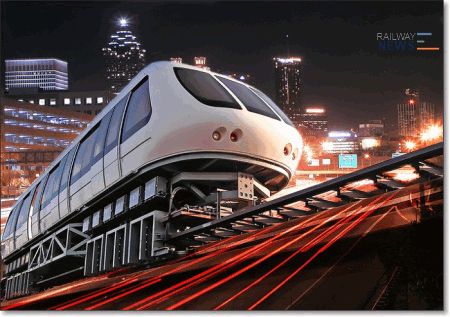
Key Takeaways: Hydrogen Technology
- How it Works: Hydrogen fuel cells mix hydrogen with oxygen to generate electricity. The only exhaust emission is pure water (steam).
- Range: Unlike battery trains, Hydrogen trains (like the Alstom Coradia iLint) can travel up to 1,000 km on a single tank, matching diesel performance.
- Main Goal: To replace polluting diesel trains on non-electrified lines without the huge cost of building overhead catenary wires.
As the world races toward “Net Zero” emissions by 2050, the railway industry faces a massive challenge: How to replace thousands of aging diesel locomotives? Enter the Hydrogen Fuel Cell Train (Hydrail). Once a sci-fi concept, it is now a commercial reality in Germany, Italy, and beyond.
But is hydrogen truly the silver bullet for rail decarbonization? We compare the technology against its rivals below.
Battle of Technologies: Diesel vs. Hydrogen vs. Battery
| Feature | Hydrogen (Fuel Cell) | Battery Electric (BEMU) | Diesel (Conventional) |
|---|---|---|---|
| Emissions | Zero (Water Vapor) | Zero | High (CO2, NOx) |
| Range (One Refuel/Charge) | High (800 – 1,000 km) | Low/Medium (80 – 150 km) | Very High (1,000+ km) |
| Refueling Time | Fast (15-20 mins) | Slow (Requires charging time) | Fast (15-20 mins) |
| Infrastructure Cost | High (H2 Stations needed) | Moderate (Charging points) | Established |
How Does a Hydrogen Train Work?
The magic happens inside the Fuel Cell, usually mounted on the roof of the train. Here is the simplified process:
- Hydrogen is stored in tanks on board.
- It enters the fuel cell and mixes with oxygen from the outside air.
- This chemical reaction produces electricity.
- The electricity powers the traction motors and charges small buffer batteries for acceleration.
- Exhaust: Only water and steam. No smoke, no smell.
Leading Players in 2025
Several manufacturers are pushing the boundaries of this technology:
- Alstom (France): The pioneer with its Coradia iLint, the world’s first passenger hydrogen train, already operating commercially in Germany.
- Siemens Mobility (Germany): Developed the Mireo Plus H, promising high acceleration and efficiency.
- Stadler (Switzerland): Entered the market with the FLIRT H2, focusing on the US and European markets.
Frequently Asked Questions
Is Hydrogen safe to carry on a train?
Yes. Hydrogen tanks are built to withstand extreme impacts and are arguably safer than diesel tanks because hydrogen is lighter than air; in case of a leak, it rises and disperses quickly rather than pooling on the ground like diesel.
Why not just electrify all tracks?
Electrification (building overhead wires) is the most efficient solution but it is incredibly expensive (€1-2 million per km). For rural, low-traffic lines, Hydrogen offers a cheaper “green” alternative without needing wires.
What is “Green Hydrogen”?
For the train to be truly eco-friendly, the hydrogen fuel must be produced using renewable energy (wind/solar). If the hydrogen is made using natural gas (Grey Hydrogen), the environmental benefits are reduced.

Railway infrastructure, rolling stock and transport technologies specialist focused on global rail industry developments, high-speed rail systems, signaling technologies and freight transportation. Covering railway investments, public transport modernization, rail operations and international mobility projects across Europe, Asia and North America.
RELATED POSTS

October 1, 2026 7:09 am
United States regulators confirmed a September 30 deadline for the...

October 1, 2026 12:13 am
Illinois approved $1.5 billion annually for the Northern Illinois Transit...

October 4, 2026 5:14 pm
Alstom secured a CA$4.7 billion order from VIA Rail Canada...

October 6, 2026 2:14 am
Union Pacific launched export rail shipments with Ferromex to deliver...

October 1, 2026 6:10 am
Amtrak approved a System Expansion Committee on July 30 to...
October 1, 2026 3:12 am
Greenbrier confirmed Brian Comstock as new president and CEO effective...
COMMENTS