
Future of Tram Systems: Advancements, Sustainability & Benefits
Here are a few options for a voiceover-friendly excerpt:
**Option 1 (Focus on efficiency):**
> Modern **tram systems** offer efficient, high-capacity transport, minimizing congestion and boosting reliability for urban commuters.
**Option 2 (Focus on sustainability):**
> Embrace the future: **Tram systems** offer a sustainable transport solution, reducing emissions and building greener cities.
**Option 3 (Focus on accessibility):**
> From low-floor designs to smart tech, **tram systems** are evolving. Learn how they’re shaping accessible urban transport!
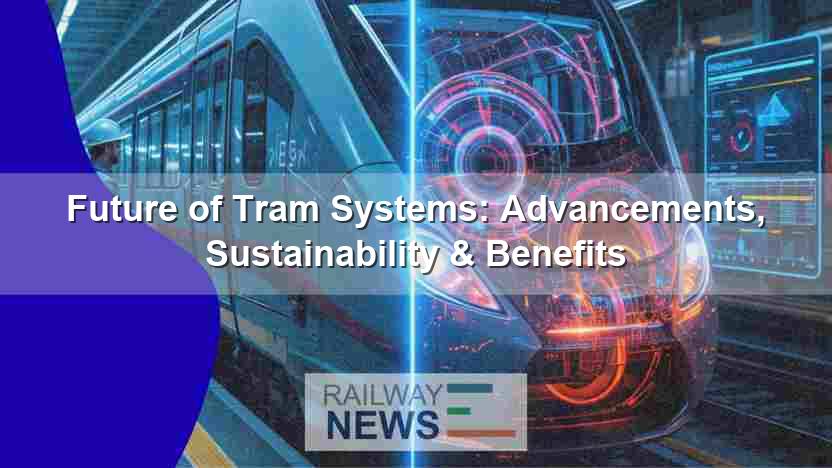
The Future of Urban Mobility: A Deep Dive into Modern Tram Systems
The evolution of urban transportation is a continuous process, driven by the need for efficient, sustainable, and accessible mobility solutions. Among the various modes of public transport, tram systems have experienced a remarkable resurgence in recent decades. This revival is fueled by their inherent advantages, including high capacity, environmental friendliness, and the ability to integrate seamlessly into urban landscapes. This article will explore the multifaceted aspects of modern tram systems, delving into their operational characteristics, technological advancements, infrastructure requirements, and the significant role they play in shaping the future of urban environments. We will examine how these systems address the challenges of congestion, pollution, and the increasing demand for public transport, while also considering the economic and social benefits they bring to communities.
Tram System Operations and Efficiency
Tram systems offer a compelling alternative to traditional forms of urban transportation, particularly in densely populated areas. One of the primary advantages of trams is their capacity to transport a large number of passengers efficiently. Modern tramcars can carry several hundred passengers per journey, making them ideal for high-demand routes. Additionally, tram systems often operate on dedicated rights-of-way, which helps minimize interference from other traffic and ensures greater reliability and punctuality. This dedicated infrastructure allows trams to maintain consistent speeds and adhere to schedules, crucial elements for a dependable public transportation network. The implementation of advanced signaling systems, such as Automatic Train Protection (ATP), further enhances operational safety and efficiency by controlling train speeds and movements. The use of regenerative braking, where kinetic energy is converted back into electricity during braking, also contributes to the energy efficiency of tram systems.
You might be interested in:
Last October 2018, we published an article about Serbia’s railway modernization. Click here to read – Serbia’s Rail Upgrade: EBRD Investment & Zemun Depot
Technological Advancements and Infrastructure
Modern tram systems are at the forefront of technological innovation in public transport. Low-floor tramcars have revolutionized accessibility, enabling easy boarding and alighting for passengers with disabilities, the elderly, and those with strollers. These designs eliminate the need for steps, improving the overall passenger experience and reducing dwell times at stops. Advanced control systems, including Computer-Aided Dispatch (CAD) and Automatic Vehicle Location (AVL), optimize fleet management, track real-time vehicle positions, and provide critical operational data.
Concerning the infrastructure, the construction of tram lines requires careful planning and execution. The placement of tracks can impact urban environments. The selection of appropriate track gauges, such as standard gauge or narrow gauge, depends on factors like existing infrastructure and operational requirements. Overhead contact lines (OHL), which supply power to the trams, need to be designed considering aesthetic aspects and urban planning. The integration of tram lines with other transport modes, such as buses and metro systems, through the establishment of multimodal transport hubs is crucial for seamless passenger transfers and a connected urban transport network.
Environmental and Economic Benefits
The environmental and economic benefits of tram systems are substantial. Trams are electric vehicles, which produce zero tailpipe emissions, thus contributing to cleaner air and reducing greenhouse gas emissions in urban areas. This makes them an essential component of any sustainable urban transport strategy. By providing an attractive alternative to private vehicles, trams contribute to decreased traffic congestion, resulting in improved air quality, reduced noise pollution, and a more livable urban environment.
Economically, tram systems can stimulate local economies. The construction and operation of tram lines create jobs, and the improved accessibility they provide can increase property values in areas served by the tram network. Moreover, tram systems tend to be more cost-effective than other forms of public transport, especially in terms of operating expenses, due to their long lifespan and energy efficiency.
The Role of Tram Systems in the Future of Urban Mobility
The future of urban mobility is closely linked to the widespread adoption of efficient and sustainable public transport solutions, with tram systems playing a central role. The success of the *E-Class tram Melbourne*, as an example, highlights how modern systems can enhance public transportation. Investment in tram infrastructure and technology is essential to meet the growing needs of urban populations and reduce the environmental footprint of transport. Integration with smart city initiatives, such as real-time passenger information systems and integrated ticketing platforms, will further enhance the appeal and efficiency of tram systems. Looking ahead, trams have the potential to adapt to evolving transportation needs, integrate with other transport modes, and contribute to the development of vibrant and sustainable urban environments. As cities worldwide strive to reduce carbon emissions and improve the quality of life for their residents, tram systems will undoubtedly remain a key component of a well-rounded urban transportation strategy.
Conclusion
To summarize, tram systems offer a powerful and sustainable solution for urban mobility challenges. They provide several benefits, including efficient transportation, environmental advantages, and economic contributions. Their operational efficiency, enhanced by dedicated rights-of-way and advanced signalling, is critical for reliable services. Technological innovations, such as low-floor designs and intelligent control systems, continue to improve passenger experience and operational effectiveness. The economic advantages, ranging from job creation to stimulating local economies, make them attractive options for urban developers. The transition to sustainable transport relies heavily on clean, efficient, and accessible transport options. As we’ve explored, tram systems, by offering excellent public transport and reducing carbon emissions, are well-positioned to play a significant role in urban planning. Their integration into smart city initiatives, such as automated transportation, will provide even greater efficiencies. Looking ahead, trams, with their ability to adapt and evolve, will play an essential role in the future of urban transportation.

Railway infrastructure, rolling stock and transport technologies specialist focused on global rail industry developments, high-speed rail systems, signaling technologies and freight transportation. Covering railway investments, public transport modernization, rail operations and international mobility projects across Europe, Asia and North America.
RELATED POSTS

October 8, 2026 1:15 pm
Alstom secured a €1bn contract to build 13 automated trains,...

October 1, 2026 7:09 am
United States regulators confirmed a September 30 deadline for the...

October 4, 2026 5:14 pm
Alstom secured a CA$4.7 billion order from VIA Rail Canada...

October 5, 2026 6:12 pm
AECOM and Jacobs secured a contract in September 2026 to...

October 1, 2026 12:13 am
Illinois approved $1.5 billion annually for the Northern Illinois Transit...

October 4, 2026 11:08 pm
Sound Transit confirmed the September 30 opening of Seattle Pinehurst...