
Modern Signaling Systems: Optimizing Railway Performance
Optimize your railway performance with modern signaling systems. Discover how advanced technologies like Alstom signaling improve punctuality and safety.
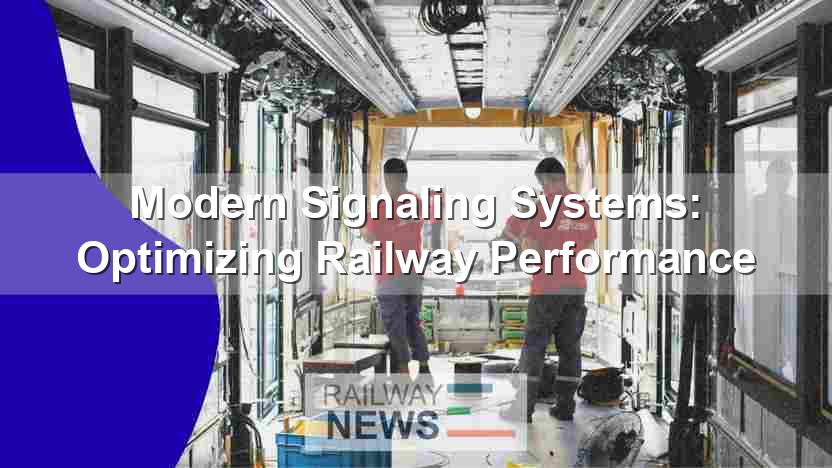
The modern railway landscape is characterized by increasing passenger volumes, stringent safety regulations, and the need for enhanced operational efficiency. A crucial component in achieving this balance is the signaling system, the backbone of railway control. This article explores the intricate workings of contemporary railway signaling, examining its role in maximizing efficiency, enhancing safety, and facilitating the smooth flow of trains within complex networks. We will analyze different signaling technologies, emphasizing the interplay between infrastructure, technology, and human factors in shaping a robust railway system. Specifically, we’ll investigate how sophisticated signaling systems, such as Alstom signalling system, address challenges, improving punctuality, capacity, and overall reliability. This analysis highlights the significance of ongoing investment and innovation in signaling to maintain the viability and competitiveness of the rail industry.
The Evolution of Railway Signaling
Railway signaling has undergone a remarkable transformation from rudimentary semaphore systems to the advanced, digital control systems of today. The early systems relied on visual signals and mechanical interlocking, limiting capacity and introducing delays due to response time. Modern systems incorporate digital technology, allowing for real-time data processing, automatic train protection (ATP), and complex scheduling algorithms, leading to enhanced safety and efficiency. This evolution has been driven by a combination of technological advancement and the demands of an increasingly complex railway network.
The Core Components of Modern Signaling Systems
Modern signaling systems are comprised of several interconnected components, each playing a crucial role in train operation. These include:
- Trackside Signals: These signals provide the visual and electronic indications to train drivers.
- Communications Systems: These enable real-time communication between the train, control center, and other systems to manage train movement.
- Control Centers: This area is the nerve center of the system, monitoring and coordinating train movements.
- Automatic Train Protection (ATP): This system is designed to prevent collisions by controlling the speed and distance of trains.
- Track Circuit Systems: These detect the presence of trains on the track, providing real-time information to the signaling system.
The effective integration of these components is critical for a seamless and efficient railway operation. Proper synchronization ensures the smooth flow of trains and minimizes delays.
Safety and Reliability in Contemporary Signaling
Safety is paramount in railway operations. Modern signaling systems are designed with robust safety protocols and redundancy to minimize risks. These systems incorporate fail-safe mechanisms, monitoring for potential errors or malfunctions. For example, multiple redundant systems are employed to ensure consistent function even in instances of single point failure. This layered approach is crucial in preventing catastrophic accidents and maintaining the safety of passengers and personnel.
Conclusion: Shaping the Future of Railway Signaling
The evolution of railway signaling has brought about significant improvements in safety, efficiency, and capacity. The use of digital technology, combined with advanced control systems, has revolutionized train operation. This has resulted in greater punctuality, reduced delays, and increased overall operational efficiency. Key factors such as real-time data management, automated train protection, and advanced communications contribute to a robust network. The implementation of intelligent systems, particularly the Alstom signalling system, plays a significant role in addressing operational challenges and optimizing railway performance. Additionally, continuous innovation is essential to address the increasing demands of modern railway networks. Ongoing research and development in areas like autonomous train operation and advanced data analytics hold the key to even greater efficiencies and safety improvements in the future. The interplay of human factors, technology, and infrastructure is crucial in developing robust and reliable signaling systems that can safely and efficiently transport passengers and goods. The future of railways hinges on these elements.
The significant advancements in signaling technology are vital for the ongoing modernization of rail networks worldwide. This evolution will be critical in addressing the growing demands of passenger and freight transport, ensuring that the railway system remains a safe, sustainable, and competitive mode of transportation. This commitment to ongoing innovation and improvement is paramount for maintaining the viability and operational efficiency of the rail industry.
You might be interested in:
Last December 2018, we published an article about Network Rail’s massive CP6 upgrade transforming Southern England’s rail network. Click here to read – £7 Billion Rail Upgrade: Transforming Southern England

Railway infrastructure, rolling stock and transport technologies specialist focused on global rail industry developments, high-speed rail systems, signaling technologies and freight transportation. Covering railway investments, public transport modernization, rail operations and international mobility projects across Europe, Asia and North America.
RELATED POSTS

October 8, 2026 1:15 pm
Alstom secured a €1bn contract to build 13 automated trains,...

October 1, 2026 7:09 am
United States regulators confirmed a September 30 deadline for the...

October 8, 2026 12:18 pm
Siemens Mobility signed an agreement with VinSpeed to supply 350...

October 4, 2026 5:14 pm
Alstom secured a CA$4.7 billion order from VIA Rail Canada...

October 5, 2026 6:12 pm
AECOM and Jacobs secured a contract in September 2026 to...

October 1, 2026 12:13 am
Illinois approved $1.5 billion annually for the Northern Illinois Transit...