
Optimizing Global Rail: Infrastructure, Efficiency, & Trends
Optimize your railway for peak efficiency and passenger delight. Learn how advanced signaling, electrification, and data analytics power a superior travel experience. Discover how!
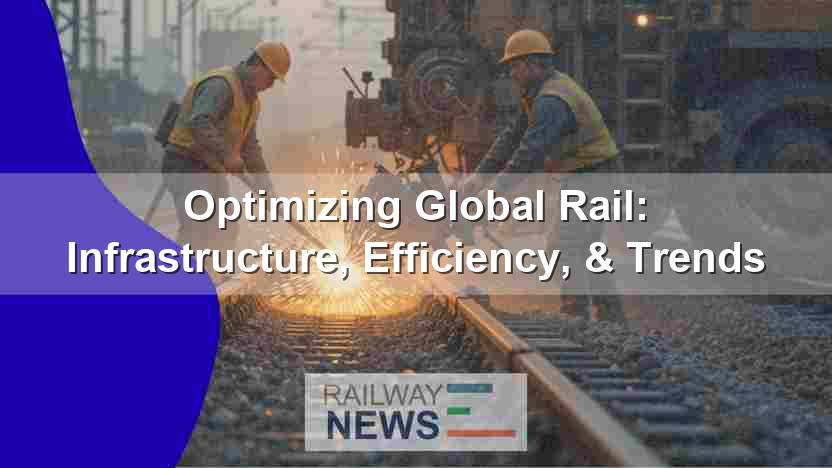
This article explores the critical aspects of enhancing railway infrastructure for improved efficiency and passenger experience. We will examine the interplay between technological advancements, operational strategies, and infrastructure investments. Modernizing railway systems is essential to meet growing passenger demands, optimize freight movement, and adapt to evolving economic and environmental landscapes. From the electrification of existing lines to the implementation of advanced signalling systems, the aim is to create a more efficient, reliable, and comfortable travel experience for all. This exploration will highlight the key considerations involved in such projects, emphasizing the economic, social, and environmental benefits of a well-maintained and technologically advanced railway network. The case studies of successful initiatives, particularly those embracing innovation and sustainability, will be a significant part of this discussion.
Modernizing Signaling and Control Systems
Modernization efforts in railway infrastructure must prioritize advanced signaling systems. Legacy systems often struggle to accommodate the complexities of modern high-speed rail, variable-speed trains, and increased train density. This results in limitations on the capacity and frequency of services. Advanced signaling technologies, such as ETCS (European Train Control System), facilitate precise train positioning, minimizing delays and increasing safety. This chapter will analyze how investments in cutting-edge communication and control systems can significantly enhance the railway’s capacity and responsiveness, reducing delays and bolstering passenger satisfaction.
Electrification and Sustainable Power Solutions
Transitioning to electric traction is crucial for reducing environmental impact. Switching from diesel locomotives to electric traction significantly lowers carbon emissions and noise pollution, benefiting both the environment and public health. This chapter will examine the benefits of electrified rail lines, focusing on the factors governing the feasibility of such conversions and the necessary infrastructure upgrades to support them. It will also address alternative sustainable power solutions, exploring the role of renewable energy sources like solar and wind in powering railway operations.
Infrastructure Upgrades for High-Speed and High-Capacity Operations
Modernizing railway infrastructure to handle high-speed and high-capacity operations is a key component of any optimization strategy. This includes track upgrades to facilitate faster speeds, the implementation of advanced track maintenance systems, and enhanced station infrastructure. Additionally, the introduction of platform screen doors can increase efficiency by reducing passenger congestion and platform dwell times. This chapter will analyze the technical and economic challenges of undertaking such large-scale infrastructure projects, considering the potential impact on existing rail operations and the integration of these projects with the overall network.
The Importance of Data Analytics and Optimization Strategies
Leveraging data analytics is vital for effective railway management. Real-time data on train performance, passenger flows, and infrastructure conditions empowers railway operators to make informed decisions. This chapter will explore how data analytics can be used to optimize schedules, predict maintenance needs, and improve resource allocation. The development of predictive maintenance models and their impact on reducing unexpected delays will also be discussed. This strategy enables the optimization of the entire railway system, leading to more efficient operations and a superior passenger experience. The incorporation of artificial intelligence (AI) in railway operations can further improve decision-making and reduce the risk of unforeseen issues, fostering more efficient and reliable rail travel.
Conclusion
This exploration of optimizing railway infrastructure highlights the multifaceted approach required for enhanced efficiency and passenger experience. A crucial element is investing in advanced signaling systems, transitioning to sustainable power sources, and upgrading infrastructure for high-speed and high-capacity operations. The effective utilization of data analytics and optimization strategies allows for a deeper understanding of railway performance and the identification of key areas for improvement, thereby minimizing delays, boosting capacity, and strengthening the overall reliability of the system. Efficient operations, reduced costs, and enhanced passenger comfort are outcomes of this detailed approach. Amtrak, Siemens, and the advancements in Charger locomotives are examples of crucial elements in this broader narrative.
By integrating these factors, railway systems can significantly improve the passenger experience, enhance operational efficiency, and contribute to a more sustainable future. The commitment to continuous improvement and innovation is paramount for ensuring the continued viability and excellence of railway travel.
You might be interested in:
Last January 2019, we had an article about Network Rail’s massive £148m Christmas upgrade to the UK rail network. Click here to read – Network Rail’s £148m Rail Upgrade: A Christmas Miracle?

Railway infrastructure, rolling stock and transport technologies specialist focused on global rail industry developments, high-speed rail systems, signaling technologies and freight transportation. Covering railway investments, public transport modernization, rail operations and international mobility projects across Europe, Asia and North America.
RELATED POSTS

October 8, 2026 1:15 pm
Alstom secured a €1bn contract to build 13 automated trains,...

October 1, 2026 7:09 am
United States regulators confirmed a September 30 deadline for the...

October 8, 2026 12:18 pm
Siemens Mobility signed an agreement with VinSpeed to supply 350...

October 4, 2026 5:14 pm
Alstom secured a CA$4.7 billion order from VIA Rail Canada...

October 5, 2026 6:12 pm
AECOM and Jacobs secured a contract in September 2026 to...

October 1, 2026 12:13 am
Illinois approved $1.5 billion annually for the Northern Illinois Transit...