
Union Pacific Kansas City Intermodal: Midwest Rail Boost
Union Pacific’s new Kansas City intermodal terminal boosts Midwest logistics, improving shipping efficiency and sustainability.
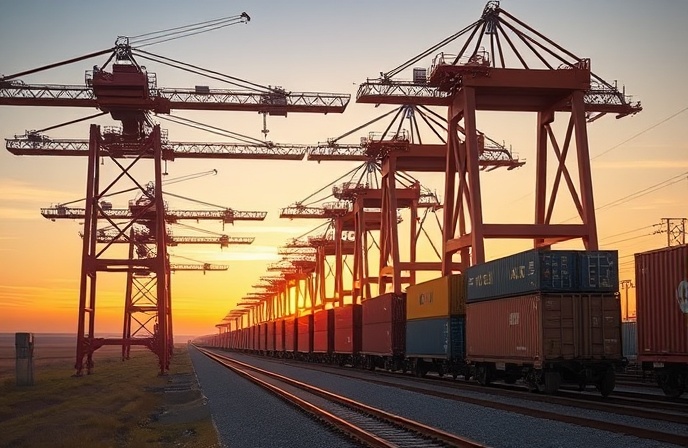
Union Pacific Opens New Intermodal Terminal in Kansas City, Boosting Midwest Logistics
Union Pacific Railroad (UP) yesterday celebrated the grand opening of its new intermodal terminal in Kansas City, Kansas, marking a significant investment in the railroad’s intermodal network. This facility, the fourth UP intermodal terminal to open since 2021, is strategically positioned to enhance shipping efficiency and accessibility for businesses in the Midwest. The Kansas City Intermodal Terminal (KCIT) represents a key element in Union Pacific’s strategy to expand its reach, improve service, and reduce transportation’s environmental impact. This article examines the terminal’s features, benefits, and potential impact on regional freight movement, including how KCIT addresses supply chain bottlenecks. It will examine the terminal’s purpose, how it addresses shipper needs, and the wider benefits for the rail sector.
Strategic Location and Design
The KCIT’s strategic location near major highway and interstate arteries, offers unparalleled access to Union Pacific’s intermodal rail network. Designed for efficiency, the terminal incorporates advanced features to streamline operations. The use of precision gate technology is a key element, allowing for swift and automatic entry and exit for truckers. This technology minimizes dwell times and improves overall throughput. The site also features two paved parking lots and dedicated working tracks to accommodate peak demands. These features collectively support faster transit times, directly addressing the growing needs of shippers for reliable and time-sensitive delivery options.
Serving Diverse Shipping Needs
The primary function of the KCIT is to handle a broad range of containerized shipments. These include domestic and international containerized shipments of vital commodities such as grains, consumer goods, refrigerated products, and auto parts. The terminal aims to increase Union Pacific’s market share in these sectors. This capacity is critical to meet the demands of the diverse industries operating throughout the Midwest. By facilitating the transport of both agricultural products and consumer goods, the terminal promises to increase throughput and efficiency for freight movements. It is expected that the terminal’s integration into UP’s larger intermodal network will increase efficiency and capacity, supporting the rail giant’s business model.
Truck-to-Rail Conversion: Sustainability and Efficiency
One of the primary goals of the KCIT is to encourage a shift from over-the-road trucking to rail transport. This conversion offers substantial benefits, including a reduction in congestion on the nation’s highways. It is also crucial in lowering greenhouse gas emissions, aligning with broader industry and governmental sustainability goals. By providing a competitive, reliable, and environmentally friendly alternative to traditional trucking, Union Pacific aims to offer a compelling advantage for shippers. The terminal’s design, coupled with its strategic location, is engineered to make the conversion from truck to rail a seamless and attractive option.
Looking Ahead: Impact and Future Outlook
The opening of the KCIT marks a significant step for Union Pacific in strengthening its intermodal network and expanding its reach in the Midwest. The terminal’s commitment to efficiency, sustainability, and serving a diverse range of commodities positions it as a crucial player in the regional supply chain. The investment reflects a growing commitment to providing shippers with the flexibility, speed, and reliability they need to compete in an increasingly complex global economy. The facility’s design and operational efficiency will likely set a standard for future intermodal infrastructure projects and will likely result in improved efficiency, greater capacity, and an expanded customer base. The KCIT will play a key role in the continued growth of the rail sector and offers sustainable solutions.
Company Summary
Union Pacific Railroad (UP) is one of North America’s leading freight transportation companies, with an extensive network across the western two-thirds of the United States. UP operates approximately 32,400 route miles, linking key ports and major markets throughout the region. The company is a significant player in the movement of agricultural products, energy, industrial goods, and consumer products. Known for its innovation in logistics and commitment to sustainable transportation, Union Pacific plays a crucial role in driving economic growth and facilitating efficient supply chains. UP’s intermodal network is strategically designed to connect businesses with markets via both rail and highway, helping reduce congestion and emissions.

Railway infrastructure, rolling stock and transport technologies specialist focused on global rail industry developments, high-speed rail systems, signaling technologies and freight transportation. Covering railway investments, public transport modernization, rail operations and international mobility projects across Europe, Asia and North America.
RELATED POSTS

September 5, 2026 4:19 pm
CPK launched formal tender talks with four consortia to design...
September 5, 2026 7:14 pm
HS2 Ltd signed renegotiated civils contracts with EKFB and Align...

September 6, 2026 4:12 am
Alstom delivered the first of 100 new G Class trams...
September 6, 2026 6:17 am
Hungary ordered a national ban on most freight trains from...
September 6, 2026 8:17 am
DB InfraGO reopened the Nuremberg-Regensburg line in Bavaria on 31...
September 7, 2026 8:16 am
Midea, Gree and TCL shipped air conditioners via China Railway...