
East West Rail Archaeology: Uncovering Heritage in UK Rail Project
East West Rail project unveils pop-up museums showcasing archaeological finds. Bedford and Milton Keynes events highlight historical artifacts. Public engagement crucial for preserving heritage.
Pop-Up Museums Offer Glimpse into East West Rail’s Archaeological Past
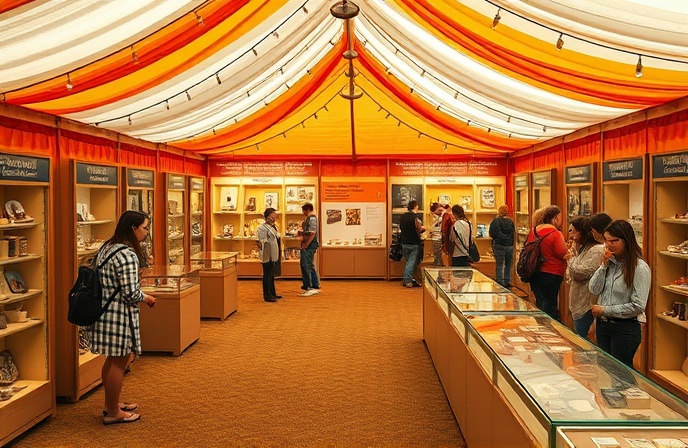
Ahead of major archaeological investigations planned along the route of the East West Rail (EWR) project, communities in Bedford and Milton Keynes are invited to explore their historical heritage. These “pop-up museums,” hosted by the Museum of London Archaeology (MOLA), will showcase real archaeological artifacts unearthed near the planned 95-mile railway line, connecting communities from the east and west of Milton Keynes to Cambridge and Oxford. The events, taking place on August 20th in Bedford and August 21st in Milton Keynes, offer a unique opportunity for residents to delve into the past, discover the process of archaeological research, and gain an understanding of the significant findings already made. This article will explore the details of these events and the implications of archaeological work on a major rail infrastructure project.
Unearthing the Past: A Showcase of Ancient Life
Visitors to the pop-up museums can expect a captivating journey back in time. Exhibits will feature a diverse array of artifacts, including pottery shards, coins, brooches, bracelets, buttons, and needles—objects representing everyday life from over 2,000 years ago. The events will also host demonstrations of ancient crafts. Guests can engage in hands-on activities such as ancient basket weaving, using mini looms and naturally dyed wool, as well as try their hand at designing plant pots inspired by ancient farming and gardening techniques. Further enhancing the experience, an immersive virtual reality roundhouse experience will transport attendees back in time and archaeologists will be on hand to discuss recent discoveries made locally.
The Significance of Archaeological Investigations in Rail Projects
The archaeological digs, a crucial preliminary step for the EWR project, are critical for understanding the region’s historical context and preserving cultural heritage. These investigations will delve into the ground along the planned route, seeking to uncover artifacts and insights into how people lived in the past. MOLA, with its extensive experience in major construction projects, is leading these crucial excavations. Their expertise helps to ensure the preservation of important historical findings while minimizing delays to infrastructure development. The information gathered will also feed into a better understanding of the environment and landscape of the areas along the rail route.
Past Discoveries: A Preview of What’s to Come
The upcoming investigations promise to reveal further historical treasures. Previous work undertaken by MOLA, such as their excavations on the A428 Black Cat to Caxton Gibbet scheme, provides a compelling glimpse of what might be uncovered along the EWR route. This prior work yielded discoveries including some of the largest Iron Age roundhouses ever found in Britain, evidence of early beer and wine making, and potential remains of an ancient feast. These events will offer an opportunity to show these findings to local residents and help to create interest in the further archeological work planned.
Community Engagement and Future Collaboration
The pop-up museums are also designed to facilitate community engagement and gather insights for future research. Cat Gibbs, Community Engagement Officer at MOLA, emphasized the importance of listening to the ideas and suggestions of visitors to improve and inform how discoveries are shared with people of all ages. These events are free, family-friendly, and offer the chance for the public to engage directly with the archaeologists and their work.
Conclusion
The pop-up museums represent a valuable prelude to the archaeological investigations planned for the East West Rail project. They provide an engaging platform for the public to interact with and appreciate the historical significance of the area while offering a rare opportunity to examine genuine artifacts. This project sets a precedent for infrastructure initiatives by prioritizing heritage preservation and public engagement. The success of these events will provide insights into effective strategies for integrating archaeological findings into major rail projects, ensuring that the past and the future can coexist.

Railway infrastructure, rolling stock and transport technologies specialist focused on global rail industry developments, high-speed rail systems, signaling technologies and freight transportation. Covering railway investments, public transport modernization, rail operations and international mobility projects across Europe, Asia and North America.
RELATED POSTS
October 1, 2026 8:12 am
Knorr-Bremse expanded its UK rail adhesion trial on Chiltern Railways...
October 1, 2026 10:14 am
HS2 installed a 55-metre steel span in Birmingham, completing phase...
October 1, 2026 9:10 am
Transpennine Route Upgrade launched a £270,000 fund on 28 September,...
October 1, 2026 11:13 am
Norfolk Southern expanded its 3B Corridor in Alabama in 2025,...

October 1, 2026 1:12 pm
CSX expanded Queensgate Yard in Cincinnati by installing 42 power...

October 1, 2026 11:14 pm
CATS confirmed a six-mile streetcar route in Charlotte to add...