
Stadler’s TramCamp Trams: Catalonia’s Sustainable Rail Solution
Stadler Valencia wins TramCamp contract, supplying electric trams to Catalonia. New trams enhance regional mobility and reduce emissions.
Stadler Valencia to Power New TramCamp Network in Catalonia
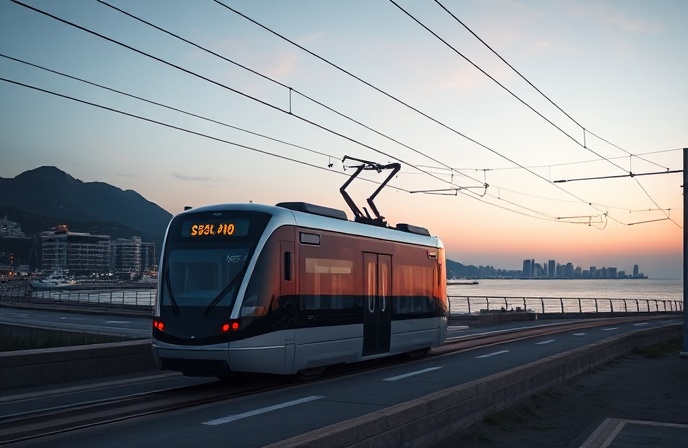
Stadler Valencia has been awarded a significant contract to supply seven TRAMLINK V3 trams to Ferrocarrils de la Generalitat de Catalunya (FGC) for the new TramCamp public transport system in the Camp de Tarragona region of Catalonia, Spain. This deal, announced on July 31, 2025, includes a detailed 15-year full-service maintenance package. The new electric trams will operate on the Cambrils–Salou–Vila-Seca corridor, significantly enhancing regional mobility and providing crucial links to urban and tourist centers. This project aims to improve public transport accessibility and reduce carbon emissions within the region. The trams will be manufactured at Stadler’s facility in Albuixech, Valencia. This article will explore the technical specifications of the TRAMLINK V3, the maintenance strategy, and the broader implications of this contract within the evolving landscape of sustainable public transport.
Meeting the Needs of Camp de Tarragona: The TRAMLINK V3 Specifications
The TRAMLINK V3 trams are specifically designed for operation on non-electrified tracks, a crucial factor for the TramCamp network. This is achieved through an onboard electric traction system powered by two modules utilizing Lithium-titanate (LTO) battery cells. These batteries provide a range of up to 9.9km, allowing for operational flexibility. Each five-carriage tram will have a capacity of 211 passengers. Importantly, the design incorporates low floors throughout for accessibility, ensuring ease of use for all passengers, including those with mobility impairments. The trams will achieve speeds of up to 81 km/h and include dedicated multifunctional areas to accommodate bicycles, pushchairs, and wheelchairs. Further enhancing the passenger experience, the trams will be equipped with real-time passenger information systems and climate control tailored for the Mediterranean climate, improving comfort and rider satisfaction.
Maintenance and Infrastructure: Ensuring Reliability and Longevity
A key component of the FGC agreement is the 15-year full-service maintenance package provided by Stadler Valencia. This commitment ensures that the trams are maintained to the highest standards, minimizing downtime and maximizing operational efficiency. To support this, a new depot will be established close to the Vila-seca network, facilitating swift maintenance and repair operations. This strategic placement underscores the importance of localized infrastructure in supporting modern railway systems, and demonstrates a commitment from both Stadler Valencia and FGC to a long-term partnership that will ensure reliable service throughout the TramCamp system’s lifespan.
Sustainable Mobility and Environmental Benefits
The deployment of electric trams in the TramCamp region directly contributes to sustainability goals. By replacing or complementing traditional fossil fuel-powered vehicles, the electric TRAMLINK V3 trams will significantly reduce carbon emissions, aligning with global efforts to combat climate change. The efficient operation of the electric traction system, coupled with the capacity to operate on non-electrified sections, makes the TRAMLINK V3 a particularly attractive solution for regions seeking to modernize their public transport networks while minimizing environmental impact. This project highlights Stadler’s commitment to innovation and sustainable solutions within the public transport sector, and contributes to a wider trend toward electric mobility solutions in railway transit.
Industry Context and Parallel Developments
The contract with FGC aligns with broader trends in the railway sector, including the increasing adoption of battery-electric trams and the growing importance of detailed maintenance packages. Additionally, the Stadler Group recently secured a €700 million ($816.4 million) contract with Kölner Verkehrs-Betriebe (KVB) for 132 high-floor light rail vehicles, highlighting Stadler’s international capabilities. These concurrent developments, within different markets, indicate Stadler Valencia’s ongoing role as a key player within the global market, offering innovative solutions. The investment in the TramCamp network, coupled with similar projects across Europe, reflects a wider commitment to sustainable transportation solutions within the European railway industry.
Conclusion
The contract between Stadler Valencia and FGC for the TramCamp network represents a significant step forward in the modernization and sustainability of public transport in Catalonia. The TRAMLINK V3 trams, with their innovative battery technology, accessibility features, and detailed maintenance package, are well-suited to meet the region’s mobility needs while minimizing environmental impact. This project is not only a win for the citizens of the Camp de Tarragona, who will benefit from enhanced connectivity and reduced carbon emissions, but also for Stadler, which reinforces its position as a leading provider of cutting-edge railway solutions. The long-term maintenance agreement ensures the reliability and longevity of the TramCamp system, promoting a lasting positive impact. The project, along with Stadler’s other recent successes, underlines a continued global shift toward electric and sustainable public transport.
Company Summary
Stadler Rail is a global manufacturer of railway rolling stock, with a focus on passenger transport solutions, including trams, trains, and locomotives. With a strong emphasis on innovation, sustainability, and customer service, Stadler offers a wide range of products designed to meet the evolving needs of the railway industry. Stadler Valencia, as part of the Stadler Rail Group, leverages this expertise with a regional focus on innovation and production. They demonstrate a commitment to designing and delivering solutions that meet specific customer and environmental requirements. They are known for producing reliable and accessible railway products, along with their customer commitment of ongoing support and maintenance throughout the products lifespan.

Railway infrastructure, rolling stock and transport technologies specialist focused on global rail industry developments, high-speed rail systems, signaling technologies and freight transportation. Covering railway investments, public transport modernization, rail operations and international mobility projects across Europe, Asia and North America.
RELATED POSTS
September 6, 2026 5:19 am
Hitachi delivered Taiwan's first N700ST high-speed train from Japan in...

September 5, 2026 4:19 pm
CPK launched formal tender talks with four consortia to design...
September 6, 2026 6:17 am
Hungary ordered a national ban on most freight trains from...
September 6, 2026 1:17 am
Hitachi Toshiba Supreme Consortium confirmed the first of 12 N700ST...
September 7, 2026 8:16 am
Midea, Gree and TCL shipped air conditioners via China Railway...
September 6, 2026 12:20 pm
Indian Railways ordered a probe after a fire destroyed 2...