
Haramain HSR: Saudi Arabia’s High-Speed Rail Insights
The Haramain High-Speed Railway: A mega-project’s journey – learn how it overcame delays and cost overruns to deliver high-speed rail in a challenging environment.
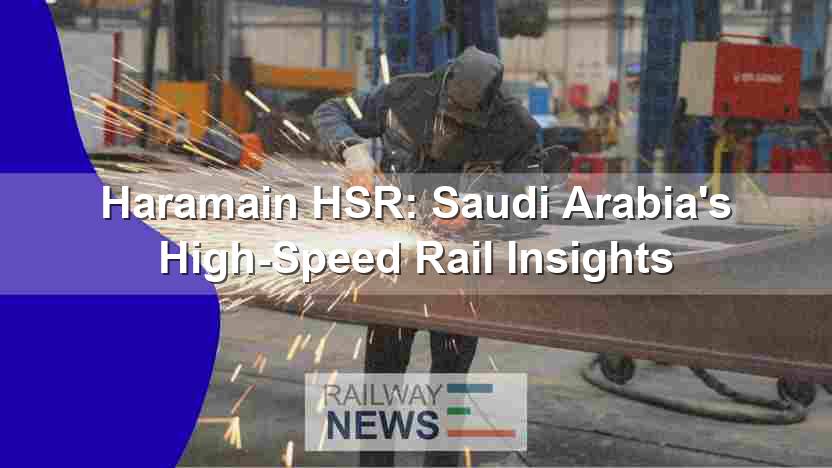
This article examines the Haramain High-Speed Railway (HHR), a significant infrastructure project connecting Mecca and Medina, Islam’s holiest cities, in Saudi Arabia. The project, initially slated for completion in late 2016, experienced considerable delays and cost overruns, providing a valuable case study in the challenges of executing large-scale railway projects in complex environments. We will explore the project’s background, the technical and logistical hurdles encountered, the financial implications of these delays, and finally, analyze the project’s ultimate success and its implications for future railway development in the region. The analysis will consider various factors impacting the project timeline and budget, including geographical challenges, contractual disputes, and the inherent complexities of managing a multinational consortium. The overall aim is to highlight critical lessons learned from this experience, relevant to both the Saudi Arabian context and international high-speed rail projects worldwide.
Project Conception and Initial Challenges
The Haramain High-Speed Railway, a 454km line linking Mecca and Medina, was awarded in 2011 to a consortium of twelve Spanish companies and two Saudi firms, a €6.7bn contract. This ambitious undertaking aimed to provide high-capacity passenger transport between the two holy cities, significantly improving pilgrimage travel during the annual Hajj. The initial challenges were substantial. The desert terrain presented significant construction difficulties, including navigating vast sand dunes and mitigating the effects of frequent sandstorms on track and infrastructure. This necessitated specialized engineering solutions and increased construction time and costs.
Contractual Disputes and Cost Overruns
Significant disputes arose among consortium members, namely Spain’s Renfe (National Railway of Spain), Talgo (train manufacturer), and Adif (state railway infrastructure operator), concerning responsibility for the escalating costs. These disagreements further delayed the project. Ultimately, the Saudi Arabian government agreed to absorb a €210m cost overrun, highlighting the political sensitivities involved in such mega-projects. This situation underlines the importance of robust contractual agreements and effective dispute resolution mechanisms in international collaborations.
Operational Commencement and Future Expansion
Despite the setbacks, the Haramain High-Speed Railway commenced operations in September 2018, albeit with a reduced initial service frequency of four trains per week. The government’s plan to increase services to daily operations by September 2019 indicates an intention to rapidly expand capacity. The line’s design incorporates provisions for future expansion, reflecting the long-term vision for the railway’s role in facilitating pilgrimage travel and regional connectivity. The project’s success, despite the challenges, signals the Kingdom’s unwavering commitment to large-scale infrastructure development.
Lessons Learned and Future Implications
The Haramain High-Speed Railway project offers valuable lessons for future large-scale railway projects. Firstly, thorough pre-project planning and risk assessment, especially concerning environmental factors (desert conditions, sandstorms), is crucial. Secondly, clear and detailed contractual agreements between consortium partners, with robust dispute resolution mechanisms, are essential to mitigate financial and time-related risks. Thirdly, effective communication and coordination between all stakeholders, including government bodies and the private sector, are vital for timely project delivery. The project’s ultimate success, despite significant hurdles, demonstrates the feasibility of high-speed rail in challenging environments. Its completion provides a significant boost to Saudi Arabia’s infrastructure development, improving passenger transport and potentially serving as a model for future railway projects in similar regions.
Conclusion
The Haramain High-Speed Railway project, while beset by significant delays and cost overruns, ultimately represents a successful, albeit challenging, endeavor in high-speed rail development. The project’s journey highlights the crucial importance of detailed planning, robust contractual frameworks, and effective conflict resolution in managing complex, multinational infrastructure projects. The initial challenges, stemming from the demanding desert environment and contractual disputes amongst consortium members, underscore the need for meticulous risk assessment and proactive mitigation strategies. The successful resolution of the disputes, along with the government’s commitment to absorb cost overruns, demonstrates the political will to see the project through to completion. The eventual operationalization of the HHR, albeit later than initially planned, significantly improves transport between Mecca and Medina, offering a vital service for pilgrims and residents alike. Additionally, it showcases Saudi Arabia’s commitment to advanced infrastructure development and sets a precedent for future large-scale railway projects within the Kingdom and across the broader Middle East. The lessons learned from this experience offer valuable insights for future high-speed rail endeavors globally, emphasizing the need for proactive risk management, transparent communication, and strong collaborative partnerships throughout the project lifecycle. The Haramain High-Speed Railway stands as a testament to the transformative power of infrastructure development, while simultaneously serving as a cautionary tale highlighting the potential pitfalls and complexities of undertaking such ambitious projects.

Railway infrastructure, rolling stock and transport technologies specialist focused on global rail industry developments, high-speed rail systems, signaling technologies and freight transportation. Covering railway investments, public transport modernization, rail operations and international mobility projects across Europe, Asia and North America.
RELATED POSTS
September 6, 2026 5:19 am
Hitachi delivered Taiwan's first N700ST high-speed train from Japan in...

September 5, 2026 4:19 pm
CPK launched formal tender talks with four consortia to design...

September 5, 2026 7:14 pm
HS2 Ltd signed renegotiated civils contracts with EKFB and Align...

September 6, 2026 4:12 am
Alstom delivered the first of 100 new G Class trams...
September 6, 2026 1:17 am
Hitachi Toshiba Supreme Consortium confirmed the first of 12 N700ST...
September 5, 2026 6:17 pm
Universal Signalling won a deal to install its U-Cross system...