
Siemens Vectron Battery Loco: Revolutionizing Rail Freight
Siemens Mobility’s Vectron battery locomotives, ordered by JeMyn, target last-mile freight and shunting without catenary, reducing emissions and operational costs.
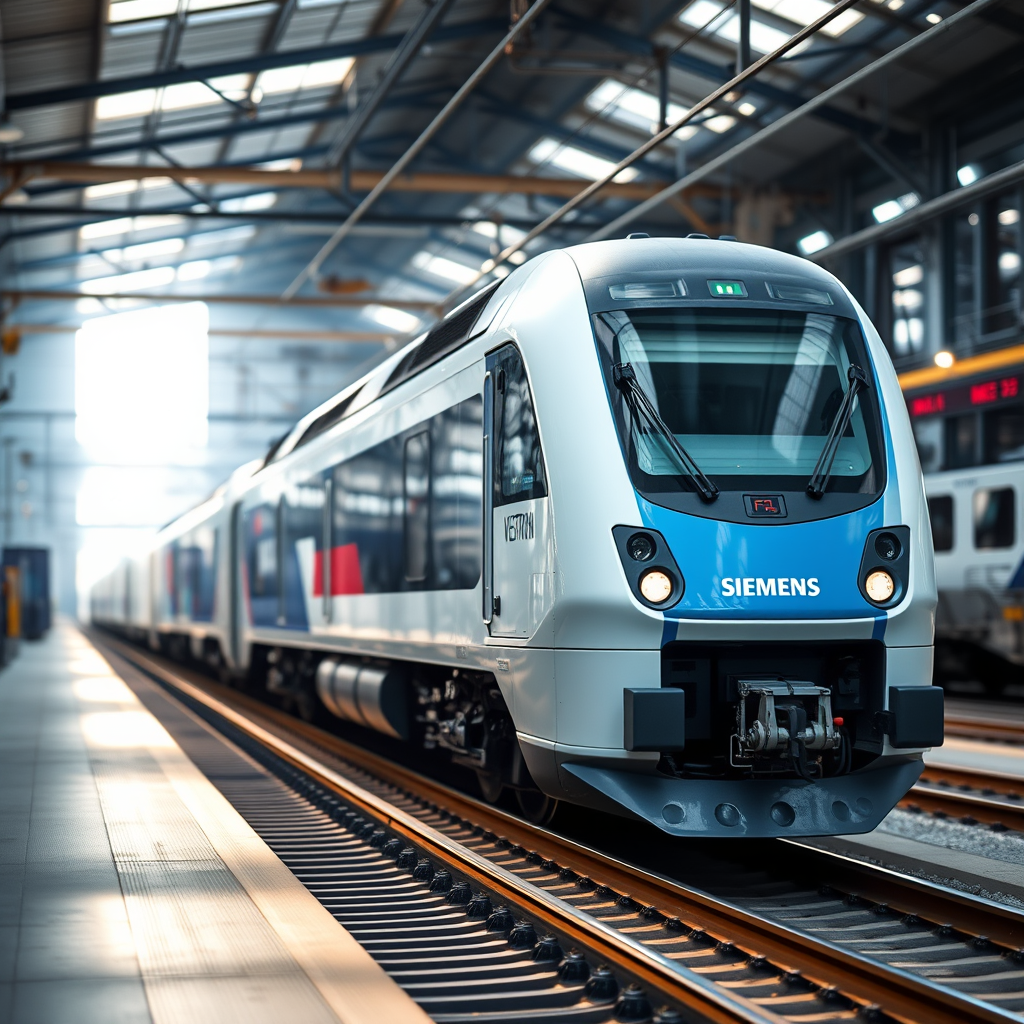
This article examines the significant advancement in railway technology represented by Siemens Mobility’s first order for battery-equipped Vectron locomotives. The order, placed by JeMyn, an affiliate of Widmer Rail Services, marks a pivotal moment in the ongoing transition towards sustainable and efficient freight transport. This development highlights the increasing importance of hybrid solutions within the rail industry, combining the benefits of electric traction with the flexibility offered by battery power. We will explore the technological innovations behind the Vectron’s battery module, its operational advantages, the environmental implications of this technology, and its broader impact on the future of rail freight. The analysis explores the economic considerations, highlighting the cost savings and strategic advantages this technology provides to rail operators. Finally, the article positions this development within the larger context of Siemens Mobility’s broader strategy and the global trend toward greener rail transportation.
The Vectron Battery Locomotive: A Technological Leap
Siemens Mobility’s Vectron locomotive platform is already renowned for its versatility and adaptability to various operational needs across Europe. The integration of a battery module represents a significant enhancement, enabling the locomotive to operate short distances without relying on overhead lines (catenary). This is crucial for shunting operations (maneuvering rolling stock within yards) and other tasks in areas lacking electrification. The battery module allows for seamless transitions between electrified and non-electrified sections, eliminating the need for separate diesel shunting locomotives. This functionality optimizes operational efficiency and reduces the overall cost of rail operations.
Operational Efficiency and Cost Savings
The Vectron battery locomotive offers substantial operational benefits. For Widmer Rail Services, the elimination of dedicated shunting locomotives translates into reduced maintenance costs, lower energy consumption, and simplified operational procedures. The ability to perform shunting maneuvers electrically reduces noise pollution and emissions in rail yards, contributing to a cleaner and quieter working environment. The strategic deployment of this technology leads to streamlined operations, faster turnaround times, and significant cost reductions in the long term. This financial efficiency is further enhanced by structured financing solutions offered by partners such as Raiffeisen Schweiz Genossenschaft, facilitating acquisition for operators.
Environmental Sustainability and the Future of Rail Freight
The Vectron’s battery module aligns perfectly with the growing global emphasis on sustainable transportation. By eliminating the need for diesel locomotives in certain operational phases, it significantly reduces greenhouse gas (GHG) emissions and noise pollution. This contributes to a smaller carbon footprint and improved air quality around rail yards and other previously diesel-dependent operational areas. The technology also supports broader sustainability initiatives by reducing the overall reliance on fossil fuels within the rail industry. This initiative underscores Siemens Mobility’s commitment to environmentally conscious rail solutions and aligns with its “Future of Rail Freight Transport” program focusing on advanced technology implementation.
Market Impact and Siemens Mobility’s Strategy
The success of the Vectron battery locomotive order signifies a key step towards wider adoption of hybrid solutions in the rail sector. Siemens Mobility’s extensive experience with the Vectron platform, evidenced by over 2,600 units sold to 103 customers across 16 countries, provides a solid foundation for scaling up production and meeting growing market demand for sustainable rail technology. The company’s continued investment in research and development, combined with strategic partnerships, positions it as a leader in driving the transition towards a more eco-friendly and efficient railway system. The order from Widmer Rail Services serves as a strong testament to the growing appeal of this innovative technology and its potential to transform the rail freight industry.
Conclusions
The Siemens Mobility Vectron battery locomotive represents a significant milestone in the evolution of rail technology, demonstrating a powerful combination of innovation, operational efficiency, and environmental responsibility. The successful order from JeMyn/Widmer Rail Services underscores the growing market demand for hybrid solutions in rail freight transportation. The integration of battery technology into the proven Vectron platform offers a practical and impactful way to reduce emissions and operating costs without compromising performance. This development not only optimizes shunting operations but also allows for a smoother transition between electrified and non-electrified sections of rail lines. The economic advantages, including cost savings on maintenance and energy, further enhance the attractiveness of this technology. Additionally, the environmental benefits, specifically the reduction in greenhouse gas emissions and noise pollution, align perfectly with global sustainability goals and the increasing pressure to decarbonize the transportation sector. The long-term implications are significant: the technology’s widespread adoption has the potential to transform rail freight, leading to a greener, more efficient, and economically viable railway system worldwide. Siemens Mobility’s strategic vision, combining technological advancements with sound financial planning and collaborative partnerships, sets a compelling example for other industry players seeking to embrace the future of rail transport.

Railway infrastructure, rolling stock and transport technologies specialist focused on global rail industry developments, high-speed rail systems, signaling technologies and freight transportation. Covering railway investments, public transport modernization, rail operations and international mobility projects across Europe, Asia and North America.
RELATED POSTS

October 8, 2026 1:15 pm
Alstom secured a €1bn contract to build 13 automated trains,...

October 1, 2026 7:09 am
United States regulators confirmed a September 30 deadline for the...

October 8, 2026 12:18 pm
Siemens Mobility signed an agreement with VinSpeed to supply 350...

October 4, 2026 5:14 pm
Alstom secured a CA$4.7 billion order from VIA Rail Canada...

October 5, 2026 6:12 pm
AECOM and Jacobs secured a contract in September 2026 to...

October 4, 2026 11:08 pm
Sound Transit confirmed the September 30 opening of Seattle Pinehurst...