
UK Rail Upgrade: Network Rail’s ECML Advancements
The London to Scotland line’s upgrade is complete! Modern signaling, track renewals, and electrification boost efficiency and passenger experience. Discover how!
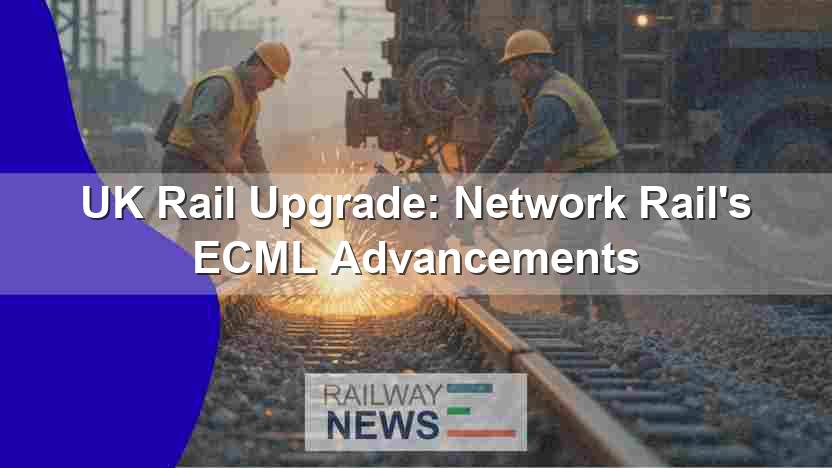
This article examines the recent completion of significant upgrade works on the railway line connecting London and Scotland, focusing on the scope of the improvements, the challenges faced during the project, and the long-term benefits for passengers and the overall railway network. The upgrade, a key component of Network Rail’s Railway Upgrade Plan (RUP), involved extensive track renewals, signaling system modernizations, and electrification projects across various sections of the line. This multifaceted approach aimed to enhance operational efficiency, increase capacity, and ultimately provide a more reliable and comfortable journey for passengers. The project highlights the complex logistical planning and execution required for such large-scale infrastructure upgrades on a busy main line, emphasizing the need for careful coordination between Network Rail, train operating companies, and other stakeholders to minimize disruption to services. We will analyze the specific improvements undertaken in key regions like the West Midlands, North West, and the East Coast Main Line (ECML), and assess their impact on the overall performance and future of the rail network.
West Midlands and North West Improvements
The upgrade works encompassed a broad range of improvements across the West Midlands and North West regions. Key elements included track renewals in the Penrith area, aimed at enhancing track stability and reducing maintenance needs. This is crucial for ensuring the longevity of the infrastructure and preventing delays caused by track defects. Additionally, the project involved the installation of a new signaling system on the Weaver-Wavertree project in Merseyside (a vital component of the Liverpool-Manchester line). Modern signaling is essential for improving safety, increasing train capacity on the line, and enabling smoother, more efficient train operations through improved train spacing and control. The electrification of the Manchester to Preston line via Bolton was another significant achievement, expanding the reach of electrified services and paving the way for the use of cleaner, more efficient electric trains, reducing the overall carbon footprint of the rail network. The upgrade also included the deployment of modern signaling systems between Birmingham New Street and Coventry, improving safety and operational efficiency on this busy corridor.
East Coast Main Line (ECML) Enhancements
The upgrade extended to the East Coast Main Line (ECML), a critical artery for high-speed intercity travel. Two key projects were undertaken in preparation for the introduction of new InterCity Express Programme (IEP) trains. First, gauge clearance works were completed to ensure sufficient clearance for the new, larger trains to pass safely through all structures along the line, including bridges and platforms. This involved meticulous measurements and adjustments to ensure compatibility and prevent potential collisions. Second, the removal of obsolete electrical booster transformers was undertaken. These 35 overlap booster transformers, located between Finsbury Park and Berwick-Upon-Tweed, were incompatible with the new IEP trains and their removal was vital for the safe and efficient operation of the new fleet. This highlights the detailed planning required when introducing new rolling stock to an existing rail network.
Minimizing Disruption
Large-scale infrastructure projects inevitably cause some disruption to railway services. Network Rail’s approach emphasized minimizing disruption through close collaboration with train operating companies. This involved careful planning of the works, implementing phased upgrades to reduce the overall impact, and providing clear communication to passengers regarding potential delays and alternative travel arrangements. The success of the project demonstrates that with meticulous planning and effective communication, the impact of necessary upgrade works can be significantly mitigated. It also points to the importance of ongoing investment in communication technologies to keep passengers informed during such disruption.
Conclusion
The successful reopening of the London to Scotland line following extensive upgrade works marks a significant achievement for Network Rail and the wider UK rail network. The project encompassed a wide range of improvements, including track renewals, signaling upgrades, and electrification, showcasing a commitment to modernizing the infrastructure and enhancing passenger experience. The focus on the West Midlands, North West, and East Coast Main Line highlights the strategic importance of these corridors and the significant impact these upgrades will have on the overall efficiency and capacity of the network. The project’s success also demonstrates the importance of proactive planning, collaboration among stakeholders, and effective communication in minimizing disruption during infrastructure upgrades. The improvements made are not merely cosmetic; they represent a crucial step towards a more reliable, efficient, and environmentally friendly railway system. The long-term benefits extend beyond improved passenger journeys; they include increased network capacity, reduced maintenance costs, and a lower environmental impact. The successful completion of this project provides a blueprint for future infrastructure upgrades on other vital railway lines across the UK, showcasing a commitment to continuous improvement and investment in the nation’s rail network. The emphasis on minimizing disruption, through close collaboration with train operators and effective communication with the public, is a crucial element of successful infrastructure projects. The completed works represent a substantial investment in the future of the UK’s railway system and its capacity to meet the growing demands of passengers and freight in the coming years.

Railway infrastructure, rolling stock and transport technologies specialist focused on global rail industry developments, high-speed rail systems, signaling technologies and freight transportation. Covering railway investments, public transport modernization, rail operations and international mobility projects across Europe, Asia and North America.
RELATED POSTS

October 1, 2026 7:09 am
United States regulators confirmed a September 30 deadline for the...

October 4, 2026 5:14 pm
Alstom secured a CA$4.7 billion order from VIA Rail Canada...

October 6, 2026 2:14 am
Union Pacific launched export rail shipments with Ferromex to deliver...

October 1, 2026 12:13 am
Illinois approved $1.5 billion annually for the Northern Illinois Transit...

October 8, 2026 1:15 pm
Alstom secured a €1bn contract to build 13 automated trains,...

October 1, 2026 6:10 am
Amtrak approved a System Expansion Committee on July 30 to...