
Stadler FLIRT Hungary: 300M km, Rail Efficiency & Modernization
Hungarian railway network sees Stadler FLIRT trains hit 300M km mark, boosting efficiency and sustainability.
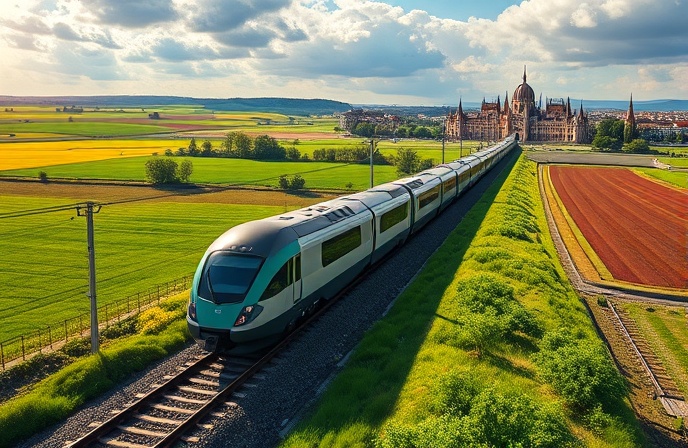
Stadler FLIRT Trains in Hungary Surpass 300 Million Kilometres, Delivering Substantial Savings and Environmental Benefits
In a significant milestone for railway modernisation, Stadler’s fleet of 123 FLIRT (Fast Light Innovative Regional Train) electric multiple units (EMUs) operating with MÁV (Hungarian State Railways) has exceeded 300 million kilometres in service since their introduction in 2007. This achievement underscores the success of Stadler’s rolling stock in Hungary and highlights the tangible benefits of modern, energy-efficient train technology. The trains have not only provided reliable passenger service but have also delivered substantial economic and environmental advantages. This article will explore the impact of the FLIRT fleet, examining its contribution to cost savings, reduced emissions, and the overall modernization of Hungary’s railway network.
Efficiency and Environmental Gains
The cornerstone of the FLIRT fleet’s success lies in its design and technology. The trains have contributed to estimated electricity savings worth EUR 250 million over the operational lifespan of the fleet. These savings are primarily attributable to the trains’ advanced electric traction systems, which consume significantly less energy than older rolling stock. In addition to financial benefits, the FLIRT fleet has reduced carbon dioxide emissions by approximately 2 million tonnes over the same period. This environmental performance aligns with the growing global emphasis on sustainable transport solutions and underscores the vital role of modern railway technology in mitigating climate change. Additionally, the use of electric trains contributes to cleaner air quality in urban areas, improving the quality of life for residents along the railway lines.
Lifecycle Cost and Performance
The FLIRT units in Hungary, now approaching a third of their planned operational lifespan, are expected to recoup their original purchase value through energy efficiency alone by the end of their lifecycle. This demonstrates the long-term economic viability of investing in modern rolling stock. Each FLIRT unit covers a minimum of 200,000 kilometres annually, a testament to their reliability and operational efficiency. Collectively, the fleet accounts for around a third of MÁV’s total rolling stock mileage, showcasing its significance in the daily operation of the Hungarian railway network. Stadler also noted that maintenance efficiencies associated with the newer train types further contribute to cost reductions for the operator. The high availability rate of 96% is crucial for maintaining a reliable passenger service, minimizing disruptions, and ensuring passenger satisfaction.
Driving Modernization and Passenger Experience
The deployment of the FLIRT trains has been a key factor in MÁV’s broader efforts to modernize its services. The introduction of newer rolling stock is accompanied by infrastructural improvements, ensuring that both passenger comfort and overall system efficiency are increased. With the addition of other Stadler-built vehicles such as double-deck KISS units and tram-trains, the manufacturer estimates that around half of all MÁV passengers in Hungary now travel on its trains. This large passenger base is a clear indication of the positive impact that Stadler trains have on the Hungarian public transport network. These modern vehicles often include amenities like Wi-Fi, air conditioning, and accessible design features, making rail travel more appealing and convenient for passengers of all ages and abilities.
A Word from Stadler
Róbert Homolya, Chairman of Stadler Trains Hungary, commented on the milestone, stating, “We are proud of the milestone achieved not only because our well-known FLIRT trains offer an outstanding 96% availability rate thanks to the precise maintenance carried out in our country. But also because we can provide the backbone of sustainable rail transport, providing the Hungarian audience with a comfortable and environmentally friendly travel experience.” This statement from Stadler highlights their commitment to innovation and to providing reliable, sustainable, and passenger-focused rolling stock solutions. The successful operation of the FLIRT fleet in Hungary showcases Stadler’s capabilities in the European rail market and the value of their long-term partnerships with key railway operators.
Conclusion
The Stadler FLIRT fleet’s achievement of 300 million kilometres in Hungary represents a significant milestone in the evolution of the Hungarian railway system. The trains have proven their value through cost savings, environmental benefits, and improved passenger experience. With energy savings projected to recoup the initial investment, the FLIRT fleet demonstrates the long-term economic viability of investing in modern and efficient rolling stock. The reduction in carbon emissions further underlines the role of rail transport in achieving sustainability goals. The high availability rate of the FLIRT trains is a testament to Stadler’s commitment to quality and maintenance. The partnership between Stadler and MÁV has been instrumental in modernizing the Hungarian railway network and providing passengers with a more comfortable and environmentally friendly travel experience.
Looking ahead, the continued expansion and modernization of rail infrastructure will further enhance the benefits of the FLIRT fleet. The ongoing development of railway technology, including advancements in areas such as autonomous driving and enhanced energy efficiency, will continue to drive down costs and further improve the environmental footprint of rail transport. The success of the FLIRT fleet serves as a model for other rail operators seeking to improve their service, reduce their environmental impact, and improve overall efficiency.
Company Summary: Stadler Rail
Stadler Rail is a leading manufacturer of railway rolling stock, headquartered in Bussnang, Switzerland. With a global presence, Stadler produces a wide range of rail vehicles, including passenger trains (EMUs, DMUs, high-speed trains), locomotives, trams, and metro cars. The company is known for its innovative designs, advanced technologies, and commitment to sustainability. Stadler offers detailed services, from vehicle manufacturing to maintenance and refurbishment, supporting railway operators worldwide. Their focus on quality, efficiency, and sustainability has earned Stadler a strong reputation and a significant market share in the railway industry, particularly in Europe.

Railway infrastructure, rolling stock and transport technologies specialist focused on global rail industry developments, high-speed rail systems, signaling technologies and freight transportation. Covering railway investments, public transport modernization, rail operations and international mobility projects across Europe, Asia and North America.
RELATED POSTS

October 1, 2026 7:09 am
United States regulators confirmed a September 30 deadline for the...

October 1, 2026 12:13 am
Illinois approved $1.5 billion annually for the Northern Illinois Transit...

October 1, 2026 6:10 am
Amtrak approved a System Expansion Committee on July 30 to...
October 1, 2026 5:14 am
Siemens confirmed delivery of the first new S200 train to...
October 1, 2026 4:10 am
DART launched two public ridership dashboards in March 2026 to...
October 1, 2026 3:12 am
Greenbrier confirmed Brian Comstock as new president and CEO effective...