
Sydney Parramatta Light Rail: Infrastructure Revolution
Sydney’s Parramatta Light Rail: a game-changer for Western Sydney. Discover how this A$1 billion project boosts connectivity and economic growth!
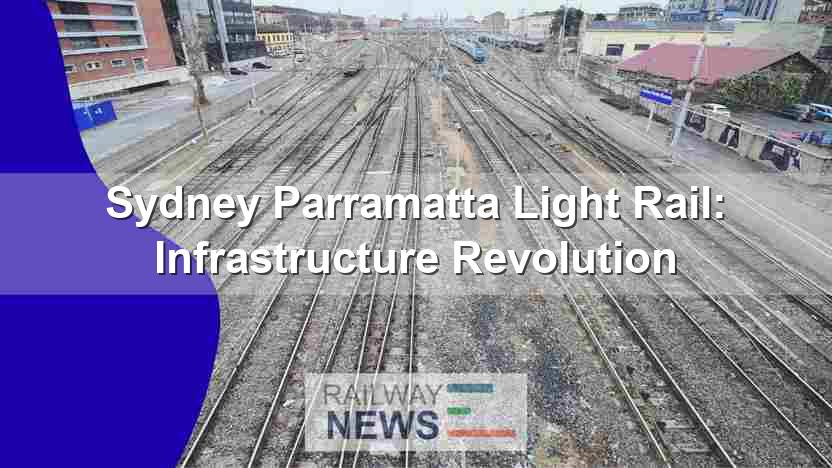
This article explores the Parramatta Light Rail project in Sydney, Australia, examining its significance within the broader context of Sydney’s transport infrastructure development. The project, a crucial component of the New South Wales (NSW) government’s ambitious A$80 billion infrastructure pipeline, aims to significantly enhance connectivity in Western Sydney. This analysis explores the project’s planning, projected economic impacts, anticipated operational features, and its potential to catalyze urban regeneration in the region. The discussion will also briefly touch upon the planned second stage, highlighting the project’s long-term vision for improved transport solutions and economic growth in Western Sydney. The substantial investment underscores the NSW government’s commitment to modernizing public transport and fostering economic development in a rapidly growing region.
Stage 1: Westmead to Carlingford
The initial stage of the Parramatta Light Rail (PLR) project secured planning permission in 2018, encompassing a 12km route connecting key areas. This includes the Westmead Precinct (a significant healthcare and research hub), the Western Sydney Stadium, the new Powerhouse Museum, three Western Sydney University campuses, and developing communities in Camellia and Telopea. This strategic alignment with major employment, education, and cultural centers positions the light rail system as a vital transportation artery. The planned frequency of services, with a light rail vehicle every 7.5 minutes during peak hours, promises efficient and reliable transportation for commuters. The NSW government allocated A$1 billion for this initial phase, although the final cost will be determined upon contract finalization.
Economic and Social Impacts
Beyond enhanced connectivity, the Parramatta Light Rail is expected to generate considerable economic activity. The project’s construction phase alone is projected to create almost 5,000 jobs, stimulating economic growth within the region. Moreover, the improved accessibility offered by the light rail is anticipated to boost property values along the corridor and attract further investment in the area. By facilitating easier movement for commuters, the light rail is expected to stimulate local businesses and improve the overall quality of life for residents. The project is poised to contribute significantly to the economic vitality of Western Sydney, impacting both employment and property values.
Operational Considerations and Technological Aspects
The success of the Parramatta Light Rail hinges on efficient operational strategies and modern technological integration. The project’s specifications highlight the importance of high-frequency services during peak periods. This necessitates robust infrastructure, including reliable signaling systems, power supply, and rolling stock maintenance facilities. Additionally, effective integration with other modes of transport, such as buses and trains, will be vital to ensuring seamless journeys for commuters. The system’s design and implementation should accommodate future expansion and technological upgrades to maintain its efficacy and relevance in the long term. Real-time passenger information systems and smart ticketing solutions are expected to enhance the overall commuter experience.
Stage 2 and Future Expansion
A second stage of the Parramatta Light Rail, extending the line from the Parramatta CBD to Ermington, Melrose Park, Wentworth Point, and Sydney Olympic Park, is under consideration. A final business case for this expansion was planned for completion by the end of 2018. This extension would significantly broaden the light rail’s reach, further integrating key areas of Western Sydney and enhancing overall accessibility. The success of the first stage will be instrumental in securing funding and approvals for this expansion. The integration of this second phase reflects the long-term vision to provide a detailed and efficient light rail network that supports the ongoing growth and development of Western Sydney.
Conclusion
The Parramatta Light Rail project represents a significant investment in Sydney’s public transportation infrastructure. The project’s first stage, connecting Westmead to Carlingford, is a critical step towards enhancing connectivity in Western Sydney, impacting key areas like healthcare, education, and entertainment. The A$1 billion allocated to this initial phase demonstrates the NSW government’s commitment to revitalizing Western Sydney. Beyond its immediate impact on transportation, the project is projected to generate significant economic activity through job creation and increased property values. The planned high-frequency services and the proposed second stage underscore a vision for a detailed, efficient, and integrated public transport network. The successful implementation of the Parramatta Light Rail project, along with effective operational management and technological integration, will be crucial in fostering sustainable and inclusive growth in Western Sydney, improving the lives of its residents, and boosting economic opportunities throughout the region. The project serves as a model for future infrastructure investments, focusing on efficient public transport and urban regeneration.

Railway infrastructure, rolling stock and transport technologies specialist focused on global rail industry developments, high-speed rail systems, signaling technologies and freight transportation. Covering railway investments, public transport modernization, rail operations and international mobility projects across Europe, Asia and North America.
RELATED POSTS
September 6, 2026 5:19 am
Hitachi delivered Taiwan's first N700ST high-speed train from Japan in...

September 6, 2026 4:12 am
Alstom delivered the first of 100 new G Class trams...
September 6, 2026 1:17 am
Hitachi Toshiba Supreme Consortium confirmed the first of 12 N700ST...
September 6, 2026 12:20 pm
Indian Railways ordered a probe after a fire destroyed 2...

September 7, 2026 4:11 am
ÖBB Rail Cargo Group leased 500 Eanos-y scrap-metal wagons from...
September 7, 2026 4:15 pm
Zimbabwe approved the EUR 3 billion Harare Light Rail project,...