
Iowa Rail Plan: Public Input & Future of Freight Transportation
Iowa DOT seeks public input on draft rail plan to improve freight movement. Consultation ends August 28th.
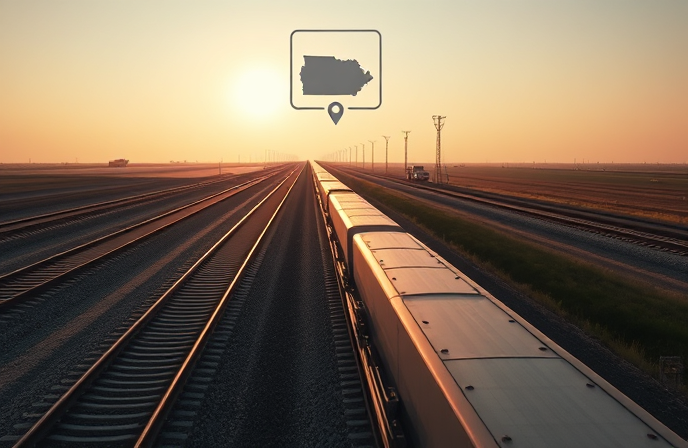
Iowa DOT Seeks Public Input on Draft State Rail Plan, Charting the Future of Freight Movement
The Iowa Department of Transportation (Iowa DOT) has launched a public consultation, inviting feedback from stakeholders on its recently drafted state rail plan. This detailed document outlines the current state of Iowa’s rail network, examines ongoing infrastructure developments, and provides a strategic vision for expanding rail transportation within the state. The consultation process, open to the public, railroads, freight shippers, and other interested parties, began recently and will continue until August 28th. This initiative aims to refine the plan, ensuring it effectively addresses the evolving needs of the state’s rail system and promotes efficient freight movement. Why is this important? Because a robust and modern rail network is critical for Iowa’s economy and future transportation needs. How can you get involved? By reviewing the draft plan online and submitting feedback via a dedicated online form.
Understanding the Scope: The Iowa State Rail Plan
The Iowa State Rail Plan serves as a crucial strategic document, providing a detailed overview of the state’s extensive rail network. It encompasses an analysis of existing rail lines, yards, and infrastructure, including a review of the different Class I, II, and III railroads operating within the state’s borders. The plan also evaluates the economic significance of rail transportation for various industries, highlighting the volumes of freight moved by rail and its contribution to the state’s Gross Domestic Product (GDP). Further, it examines infrastructure projects currently underway or planned by railroads and aims to identify opportunities for future investment and development. This detailed approach ensures the plan remains aligned with the evolving needs of the transportation sector and the economic interests of the state.
Examining Infrastructure Development: Investments in Iowa’s Rail Network
A key element of the draft plan focuses on ongoing and planned infrastructure improvements within Iowa’s rail network. These investments, spearheaded by various railroads, are critical for maintaining the efficiency and capacity of the system. Investments can include track upgrades (replacing aging rail with heavier-duty steel and improved ballast), bridge replacements to accommodate heavier loads, and the installation of Positive Train Control (PTC) systems. PTC, a federally mandated safety system, is designed to prevent train-to-train collisions, over-speed derailments, and incursions into work zones. Additionally, the plan likely assesses the impact of these upgrades on freight capacity, transit times, and overall operational efficiency, ensuring Iowa’s rail network remains competitive in the national freight landscape.
Shaping the Future: The Role of Public Feedback
The Iowa DOT’s public consultation process underscores the importance of collaboration in transportation planning. By soliciting input from stakeholders, the department can gain valuable insights into the real-world challenges and opportunities facing the rail industry. This feedback loop allows for a more refined and practical state rail plan. Shippers can provide crucial data on freight demands and potential transportation bottlenecks. Railroads can offer expertise on infrastructure needs and operational efficiency. Public input can help identify specific areas of concern, such as grade crossing safety or the impact of rail traffic on local communities. The final version of the plan will reflect a detailed understanding of these diverse perspectives, ultimately shaping the future of rail transportation in Iowa.
Conclusion
The Iowa DOT’s initiative to gather public feedback on its draft state rail plan marks a significant step towards securing a robust and efficient rail network for the state. By incorporating insights from railroads, shippers, and the public, the plan aims to address crucial issues such as infrastructure improvements, freight capacity, and the integration of innovative technologies like Positive Train Control. The plan’s successful implementation has significant implications for Iowa’s economy, as efficient rail transportation reduces shipping costs, supports economic growth, and enhances the state’s competitiveness. Looking ahead, this collaborative approach sets a precedent for future transportation planning efforts. It highlights the critical role of public-private partnerships in achieving transportation goals. Continued investment in rail infrastructure, informed by data and stakeholder input, will be essential for sustaining and enhancing the state’s transportation capabilities, particularly with a focus on increasing freight volumes. This proactive strategy places Iowa at the forefront of sustainable transportation solutions and freight efficiency.

Railway infrastructure, rolling stock and transport technologies specialist focused on global rail industry developments, high-speed rail systems, signaling technologies and freight transportation. Covering railway investments, public transport modernization, rail operations and international mobility projects across Europe, Asia and North America.
RELATED POSTS

October 1, 2026 7:09 am
United States regulators confirmed a September 30 deadline for the...

October 1, 2026 12:13 am
Illinois approved $1.5 billion annually for the Northern Illinois Transit...

October 1, 2026 6:10 am
Amtrak approved a System Expansion Committee on July 30 to...
October 6, 2026 2:14 am
Union Pacific launched export rail shipments with Ferromex to deliver...
October 1, 2026 3:12 am
Greenbrier confirmed Brian Comstock as new president and CEO effective...
October 1, 2026 4:10 am
DART launched two public ridership dashboards in March 2026 to...