
Inland Rail: Wangaratta Station Upgrade-Freight Efficiency
Inland Rail upgrades Wangaratta station for double-stacked freight trains, boosting efficiency. Project met May 2025 deadline. Key focus on height clearances, safety, and operational improvements.
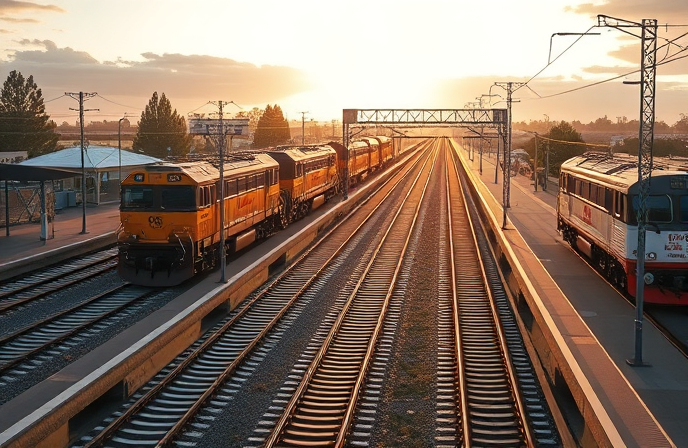
Inland Rail Unveils Wangaratta Station Transformation in New Video
The roar of a freight train is a familiar sound in Wangaratta, Victoria, but the future holds something even more significant: the promise of double-stacked container trains traversing the North East rail line. Inland Rail, the ambitious project designed to connect Melbourne and Brisbane, recently released a video showcasing the transformation of the Wangaratta Station Precinct. Officially opened in May 2025, the upgrade represents the culmination of major infrastructure works on the Beveridge to Albury (B2A) Tranche One project. This article explores the specifics of this crucial upgrade, exploring the challenges and innovations involved in accommodating the increased freight capacity and enhanced operational efficiency of the Inland Rail network.
Meeting Height Clearance Requirements
The primary driver behind the Wangaratta station upgrade was to increase vertical clearance. The existing infrastructure along the North East rail line, while functional, lacked sufficient height to accommodate the double-stacked freight trains that are central to Inland Rail’s operational model. This necessitated a detailed overhaul of the Wangaratta precinct. The project involved the modification or complete replacement of existing structures, including overhead power lines, platforms, and signal gantries. Engineers meticulously assessed each component, ensuring that the new design met the rigorous safety standards and clearances required for double-stacked operations. The focus extended beyond simply raising clearances; it incorporated strategies to minimize disruptions during construction and integrate the new infrastructure seamlessly with the existing rail network.
Strategic Planning and Execution
The Wangaratta project faced considerable planning hurdles in order to meet the May 2025 deadline. Critical to the success of the upgrade was a meticulous approach to project management. The Inland Rail team employed advanced scheduling techniques, risk assessment methodologies, and robust communication protocols to keep the project on track. The planning phase considered factors such as land acquisition, environmental impact assessments, and the coordination of multiple contractors. Additionally, the project team adopted innovative construction methods, leveraging prefabrication and modular construction techniques to expedite timelines and minimize on-site disruption. These strategic initiatives proved essential in delivering the project on time and within budget.
Focus on Safety and Efficiency
The upgrade at Wangaratta was not solely about height clearances. The project incorporated modern safety features and efficiency enhancements designed to optimize the flow of freight. This included the installation of advanced signaling systems, upgraded track infrastructure, and platform modifications to streamline loading and unloading procedures. Additionally, the project team prioritized the integration of technology to monitor and control train movements, thereby enhancing safety and minimizing delays. A key component was the implementation of improved track geometry, including the strategic use of ballast and rail fasteners to ensure track stability and reduce maintenance requirements. These detailed upgrades collectively represent a significant step towards a more efficient and reliable railway system.
Conclusion
The transformation of the Wangaratta Station Precinct is a testament to the vision and engineering expertise underpinning the Inland Rail project. The completed upgrades, including the height clearances, signaling systems, and track improvements, are critical components that will allow for the efficient transportation of freight. The project’s successful completion reflects a commitment to advanced planning, efficient execution, and a strong focus on safety. The video provides valuable insight into the complexities of upgrading existing rail infrastructure to accommodate double-stacked freight trains, and underscores the importance of strategic planning, technological integration, and robust project management in bringing this ambitious vision to fruition. This upgrade at Wangaratta serves as a blueprint for similar projects along the B2A corridor and the broader Inland Rail network, demonstrating the practical challenges and solutions faced when retrofitting existing rail lines to accommodate increased capacity and efficiency. Looking ahead, these types of improvements are set to improve freight capabilities for many decades.

Railway infrastructure, rolling stock and transport technologies specialist focused on global rail industry developments, high-speed rail systems, signaling technologies and freight transportation. Covering railway investments, public transport modernization, rail operations and international mobility projects across Europe, Asia and North America.
RELATED POSTS

September 5, 2026 4:19 pm
CPK launched formal tender talks with four consortia to design...

September 6, 2026 6:17 am
Hungary ordered a national ban on most freight trains from...
September 7, 2026 8:16 am
Midea, Gree and TCL shipped air conditioners via China Railway...
September 6, 2026 8:17 am
DB InfraGO reopened the Nuremberg-Regensburg line in Bavaria on 31...
September 5, 2026 6:17 pm
Universal Signalling won a deal to install its U-Cross system...
September 6, 2026 12:20 pm
Indian Railways ordered a probe after a fire destroyed 2...