
Project Reach: UK Rail Connectivity Upgrade & Blackspot Elimination
UK rail connectivity to improve with Project Reach, eliminating signal blackspots. Network Rail partners with telecoms firms to enhance mobile service.
Project Reach: Transforming UK Rail Connectivity and Eliminating Signal Blackspots
Network Rail, alongside telecoms providers Neos Networks and Freshwave, has announced a landmark public-private partnership, Project Reach, aimed at revolutionizing mobile connectivity across the UK’s rail network. This ambitious project, unveiled on [insert current date], addresses the persistent issue of mobile signal blackspots, promising enhanced digital experiences for millions of rail passengers. The initiative directly aligns with the UK government’s Plan for Change, supporting economic growth through improved digital infrastructure. The primary goal is to eliminate dropped calls and interrupted streaming, particularly within tunnels, on key routes connecting major cities. The project is scheduled to begin infrastructure installations in 2026, with full rollout expected by 2028. This article will delve into the specifics of Project Reach, examining its innovative approach, technological underpinnings, and potential impact on both passengers and the broader UK digital landscape.
Enhancing Connectivity: The Core of Project Reach
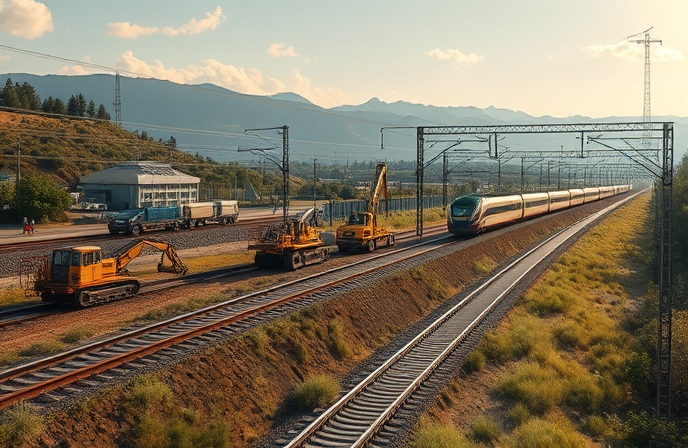
Project Reach represents a significant investment in the UK’s rail infrastructure, specifically targeting the limitations of existing mobile connectivity. The project centers on the deployment of a robust, ultra-fast fibre optic cable network alongside some of Britain’s busiest railway lines. Neos Networks will spearhead the initial phase, deploying 1,000 km of fibre optic cable across the East Coast Main Line (ECML), parts of the West Coast Main Line (WCML), and the Great Western Main Line (GWML). This initial deployment is projected to expand, potentially covering more than 5,000 km in the near future. The aim is to create a high-performing digital connectivity backbone capable of supporting advanced mobile services, including high-speed internet access and seamless voice calls, improving the passenger experience. This is crucial for the modern commuter, who relies on consistent connectivity for work, entertainment, and staying in touch.
Tunnel Connectivity: Addressing the Signal Blackspot Challenge
A major focus of Project Reach is the eradication of mobile signal blackspots within railway tunnels. Freshwave will be responsible for improving connectivity within 57 tunnels across the country, covering almost 50 km of tunnel length. This includes the challenging 4-kilometre-long Chipping Sodbury tunnel near Bristol, a notorious area for signal loss. The technical approach likely involves installing Distributed Antenna Systems (DAS) or similar technologies within the tunnels, which will receive the signal from the newly laid fibre optic cable and re-transmit it, ensuring that passengers traveling in tunnels have access to a reliable mobile signal, mitigating current issues that cause dropped calls. This is a critical area where passengers currently face frustration.
A Cost-Effective Approach: Public-Private Partnership Benefits
One of the most compelling aspects of Project Reach is its innovative financial model. The collaborative structure combines both public and private sector investments. This innovative approach is expected to yield significant savings for taxpayers, potentially around GBP 300 million (EUR 351.7 million). This multi-year project shows that this new strategy will not only enhance the digital infrastructure of the railway system but will also support the UK’s digital ambitions by creating a robust digital backbone, supporting businesses in the process. The partnership demonstrates a commitment to infrastructure modernization and is a model that could be replicated for other infrastructure projects in the future, providing substantial financial benefits and efficiency gains compared to traditional models.
Enhanced Passenger Experience: Connecting Stations and Trains
Project Reach also incorporates improvements to mobile coverage within major railway stations. As part of the agreement, mobile network operators (MNOs) will invest in new 4G/5G infrastructure at 12 of the UK’s largest Network Rail stations. These stations include key transport hubs like Birmingham New St, Bristol Temple Meads, Edinburgh Waverley, Euston, Glasgow Central, King’s Cross, Leeds, Liverpool Lime Street, Liverpool Street, Manchester Piccadilly, Paddington, and Waterloo. This investment will improve mobile performance within these stations, which provides a reliable signal for passengers while they wait for trains or are travelling. This enhances overall passenger satisfaction.
Conclusion
Project Reach is a bold initiative, addressing a key challenge for rail passengers across the UK. The project promises to dramatically improve the passenger experience by eliminating signal blackspots and providing consistently reliable mobile connectivity, significantly changing the day-to-day journeys for millions of passengers. The innovative public-private partnership model demonstrates the potential for collaborative approaches in funding and delivering large-scale infrastructure improvements, potentially leading to further investment and modernisation across the rail network. The successful implementation of Project Reach would not only improve the digital experience for passengers but also potentially support wider economic benefits, including improved productivity and growth in the digital economy. With installations beginning in 2026 and a full rollout by 2028, the industry will be watching closely as these key improvements begin.
Company Summary
Network Rail: Network Rail is the owner and infrastructure manager of most of the railway network in Great Britain. Responsible for the maintenance, renewal, and enhancement of tracks, signaling, bridges, tunnels, and other infrastructure. They play a vital role in overseeing and supporting the delivery of Project Reach, acting as the primary landowner and providing access for infrastructure installation alongside their railway lines.
Neos Networks: A significant UK-based provider of fibre optic connectivity and infrastructure services, focused on delivering high-capacity networks for businesses and public sector organizations. Their role in Project Reach centers on deploying the critical fibre optic cable backbone that underpins improved mobile connectivity along key rail routes.
Freshwave: A leading provider of mobile infrastructure solutions, specializing in improving coverage in challenging environments. They will be responsible for tackling signal blackspots in tunnels, deploying and managing the systems required to ensure reliable mobile service for passengers travelling through these areas.

Railway infrastructure, rolling stock and transport technologies specialist focused on global rail industry developments, high-speed rail systems, signaling technologies and freight transportation. Covering railway investments, public transport modernization, rail operations and international mobility projects across Europe, Asia and North America.
RELATED POSTS

October 1, 2026 7:09 am
United States regulators confirmed a September 30 deadline for the...

October 8, 2026 1:15 pm
Alstom secured a €1bn contract to build 13 automated trains,...

October 4, 2026 5:14 pm
Alstom secured a CA$4.7 billion order from VIA Rail Canada...

October 1, 2026 12:13 am
Illinois approved $1.5 billion annually for the Northern Illinois Transit...

October 6, 2026 2:14 am
Union Pacific launched export rail shipments with Ferromex to deliver...

October 1, 2026 6:10 am
Amtrak approved a System Expansion Committee on July 30 to...