
Saint Petersburg Nadzemny Light Rail Project: Russia
Saint Petersburg’s Nadzemny Express light rail project is underway, improving the city’s railway network and addressing transport challenges. This ambitious LRT system will boost connectivity and efficiency.
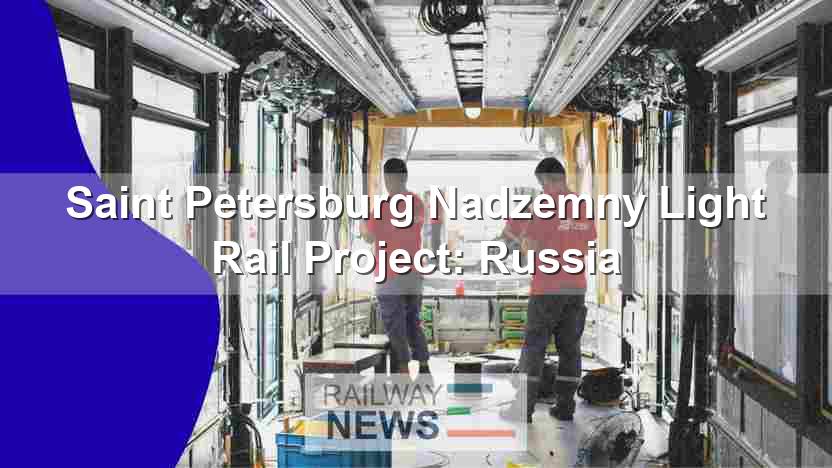
This article explores the ambitious Nadzemny Express (Nadex) light rail project in Saint Petersburg, Russia. The project aims to address the city’s growing transportation challenges by providing a modern, efficient, and accessible alternative to existing systems. Saint Petersburg’s unique geography, situated on a delta with low-lying land and numerous islands, has historically presented significant obstacles to efficient mass transit development. The existing metro system, while extensive, is characterized by radial lines primarily serving the city center, leaving significant portions of the metropolitan area underserved. Additionally, the aging tram network, once lauded as one of the longest in the world, has suffered from underinvestment and a decline in service quality. The Nadex project, therefore, represents a crucial step towards alleviating these deficiencies and creating a more detailed and integrated public transportation network. The project’s success hinges on several key factors including securing private investment, efficient project management, integration with existing infrastructure, and the deployment of proven and reliable railway technology. The following sections delve into the intricacies of the Nadex project, analyzing its infrastructure, rolling stock, signaling systems, and future expansion plans. Finally, a detailed evaluation of the project’s potential impact on Saint Petersburg’s transportation landscape will be presented.
Project Overview: Addressing Saint Petersburg’s Transit Needs
The Nadex project is a crucial initiative to improve public transport in Saint Petersburg. The city’s existing infrastructure, including the deep-level metro and a diminished tram network, suffers from limitations in coverage and capacity. The suburban rail network, operated by Russian Railways (RZD), provides connections but often lacks sufficient frequency and accessibility to meet the demand of suburban commuters. Nadex aims to provide a high-capacity, efficient, and accessible light rail system that complements the existing infrastructure, bridging the gaps and improving connectivity across the southern suburbs. The project’s innovative design, utilizing elevated sections to avoid obstacles and ensure a high level of service, is a testament to the engineering challenges and creative solutions required in dense urban environments.
Infrastructure: A Blend of Elevated and At-Grade Sections
The proposed Nadex light rail system will span approximately 30km (18.6 miles), traversing five city districts and linking suburban rail lines with three metro lines. A key feature of the Nadex design is the incorporation of both elevated and at-grade sections. To minimize disruption and expedite construction, approximately two-thirds of the line will be elevated, ensuring sufficient clearance for road traffic, especially large goods vehicles. The remaining at-grade sections will also be fully segregated from road traffic to maintain safety and operational efficiency. The 1,524mm (Russian broad gauge) system will feature 16 stations, with an average spacing of 1.5km, and is designed to be fully accessible to passengers with disabilities, including level boarding from 350mm-high platforms. The eastern terminus is planned to be at Obukhovo metro station, providing a seamless interchange with the existing metro network. The western terminus branches to serve both the Baltic Pearl development and the Strelna Congress Centre.
Rolling Stock and Operations: Emphasis on Proven Technology
Nadzemny Express prioritizes the use of proven technologies for rolling stock and operations. The project anticipates daily ridership of 180,000 during the initial phase, with the maintenance and repair depot situated near the Baltic Pearl development to accommodate a future fleet expansion of up to one-third larger than the initial requirement. There is significant interest from Western European and Far Eastern manufacturers, suggesting a potential for innovative and high-quality rolling stock solutions. The commitment to proven technology is paramount in ensuring the long-term reliability and efficiency of the system, providing a resilient backbone for Saint Petersburg’s public transportation system. The integration of real-time passenger information systems, accessible via mobile phones and the web, further enhances the user experience and efficiency of the system.
Signaling, Communications, and Ticketing: Seamless Integration
The Nadex system’s control center will be integrated into the maintenance depot, streamlining operations and providing efficient system monitoring. The fare structure will be determined by the Saint Petersburg government, with the operator receiving a commission. Fares will be integrated into the city’s overall ticketing system, while reflecting the superior service quality, frequency, and travel time anticipated for Nadex. The implementation of real-time passenger information displays and mobile/web-based communication channels will enhance the overall passenger experience and provide timely updates on service status and potential delays.
Conclusions: A Transformative Project for Saint Petersburg
The Nadzemny Express light rail project represents a significant investment in Saint Petersburg’s future transportation infrastructure. Its innovative design, focus on proven technology, and integration with existing systems aim to resolve critical transit challenges faced by the city. The project’s projected impact is substantial, providing a much-needed alternative to overcrowded roads and underperforming public transport options in the southern suburbs. The successful completion and operation of Nadex will significantly improve accessibility, reduce commute times, and enhance the overall quality of life for residents and visitors alike. The project’s economic impact extends beyond immediate transportation benefits, driving development in surrounding areas and creating jobs during construction and ongoing operation. The project’s completion and subsequent expansion beyond the initial phase into areas such as Pulkova International Airport and Peterhof will dramatically reshape Saint Petersburg’s transportation landscape. However, the project’s success depends on several crucial factors, including the timely securing of financing, navigating regulatory approvals, and maintaining adherence to the project timeline. Successfully overcoming these challenges will pave the way for a transformative improvement in Saint Petersburg’s public transportation system. The estimated project details are summarized below:
| Project Parameter | Specification |
|---|---|
| Project Name | Nadzemny Express (Nadex) |
| Project Length | 30km (initial phase), potential expansion to 38km |
| Project Budget | $710 million (USD) |
| Project Type | Light Rail Transit (LRT) |
| Connection of Cities/Areas | Southern suburbs of Saint Petersburg, connecting with suburban rail and metro lines; planned expansion to Pulkova Airport and Peterhof |
| Number of Stations | 16 (initial phase) |
| Gauge | 1,524mm (Russian broad gauge) |
Company Information:
Russian Railways (RZD): A fully state-owned Russian railway company operating the city’s suburban train network.
Nadzemny Express: A wholly public sector body in Saint Petersburg responsible for the Nadex project.
Mott MacDonald: A global engineering, management, and development consultancy firm advising on the project.
Allen & Overy: An international law firm advising on the project.
World Bank: A global financial institution providing advisory services to the project.
European Bank for Reconstruction and Development (EBRD): A multilateral investment bank supporting the scheme.

Railway infrastructure, rolling stock and transport technologies specialist focused on global rail industry developments, high-speed rail systems, signaling technologies and freight transportation. Covering railway investments, public transport modernization, rail operations and international mobility projects across Europe, Asia and North America.